Fragrance Notes Directory
A dynamically generated encyclopedia of fragrance notes fetched directly from Google Sheets.

Abelia
FLOWERSA bright, vibrant, and highly refreshing profile, characterized by sharp, zesty, and effervescent notes like sparkling l...
Absinthe
BEVERAGESAbsinthe in perfumery is a complex, aromatic, and slightly bitter green note. It is intensely herbaceous, defined by the...
Acacia
FLOWERSAcacia offers a delicate, honeyed floral scent, reminiscent of clean, sun-warmed pollen. It is subtly sweet, slightly po...

Acai Berry
FRUITS, VEGETABLES AND NUTSThe Acai Berry note in perfumery offers a blend of juicy, slightly tart, and sweet red fruit nuances, often described as...
Accord Eudora®
NATURAL AND SYNTHETIC, POPULAR AND WEIRDA complex, modern signature accord blending creamy white florals (like gardenia or tuberose) with warm, sensual oriental...
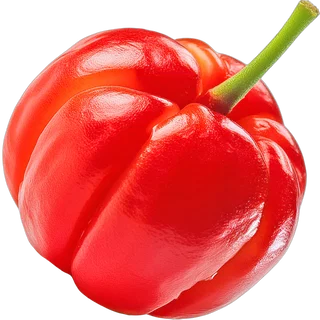
Acerola
FRUITS, VEGETABLES AND NUTSAcerola offers a bright, slightly tart, and juicy scent profile reminiscent of cherry and red berries, with a hint of gr...
Acerola Blossom
FLOWERSAcerola Blossom offers a delicate, luminous floral scent with exotic and fruity undertones, blending a soft, clean bloss...
Acetyl Furan
SWEETS AND GOURMAND SMELLSA powerful, sweet balsamic aroma chemical with prominent caramellic, nutty, and gourmand tones. It features roasted coff...
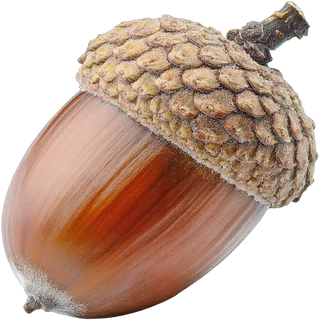
Acorn
FRUITS, VEGETABLES AND NUTSAcorn has a subtly sweet, nut-forward aroma with dry, woody undertones. It evokes the quiet richness of the forest floor...
Acronychia pedunculata
GREENS, HERBS AND FOUGERESAcronychia pedunculata offers a unique profile combining bright, crisp citrus notes (like subtle lime) with distinctive ...
Advocaat
BEVERAGESAdvocaat offers a creamy, rich, and dense gourmand profile, dominated by the sweet warmth of vanilla custard and egg yol...
Affogato
SWEETS AND GOURMAND SMELLSThe Affogato note is a rich gourmand blend of hot and cold sensations. It features a bold, robust espresso note balanced...
African Marigold
FLOWERSAfrican Marigold offers an intense, highly aromatic, and slightly metallic green-herbaceous profile. It features a brigh...
Agarwood (Oud)
WOODS AND MOSSESAgarwood (Oud) is a prized, intensely woody, resinous, and complex scent. It is deep and musty with smoky, balsamic, lea...
Agave
GREENS, HERBS AND FOUGERESAgave offers a fresh, green, and subtly sweet aroma, reminiscent of honeyed nectar with watery, slightly earthy underton...
Agave Nectar
SWEETS AND GOURMAND SMELLSAgave Nectar is a sweet, complex gourmand note, blending the fresh, slightly green character of blue agave with fruity h...
Aglaia
FLOWERSAglaia odorata offers a complex, delicate, and highly sought-after floral note. It blends creamy, narcotic-sweet floral ...
Airy Note
NATURAL AND SYNTHETIC, POPULAR AND WEIRDAn Airy Note conveys a weightless, transparent, and ethereal quality, suggesting fresh air, ozone, or high-altitude moun...
Akashic Acord
MUSK, AMBER, ANIMALIC SMELLSAkashic Acord is a heavy, nuclear blend of vanilla and white florals, deeply complemented by patchouli. It features a ha...
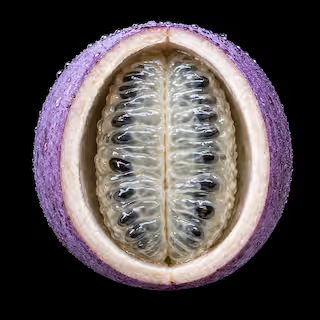
Akebia fruit
FRUITS, VEGETABLES AND NUTSA tropical, fresh fruit scent, Akebia fruit is reminiscent of lychee and passionfruit in its taste and aroma. It offers ...
Akigalawood
WOODS AND MOSSESAkigalawood is a unique synthetic molecule with a complex, sophisticated scent profile, combining woody warmth, subtle p...
Alba Rose
FLOWERSAlba Rose offers a soft, delicate, and ethereal floral profile, distinct from the deep red rose. It presents a clean, po...
Albizia
FLOWERSAlbizia offers a delicate, complex Chypre Floral profile. The scent is intensely fragrant, blending sweet, slightly powd...
Alcantara Accord
NATURAL AND SYNTHETIC, POPULAR AND WEIRDAlcantara Accord evokes the scent of sophisticated, modern synthetic suede: soft, luxurious, and slightly velvety. It is...
Aldambre
NATURAL AND SYNTHETIC, POPULAR AND WEIRDAldambre is a unique synthetic note characterized by a distinctive woody-metallic aroma, often described as the smell of...
Aldehydes
NATURAL AND SYNTHETIC, POPULAR AND WEIRDAldehydes are prized for imparting radiance, cleanliness, and sophistication. They offer a diverse, complex profile: lum...
Alder
WOODS AND MOSSESAlder offers a cool, slightly mature wood note, complimented by golden nuances of bright grapefruit and warm amber. It f...
Aldron
MUSK, AMBER, ANIMALIC SMELLSAldron is a powerful and complex animalic note, blending facets of wood, amber, and Tonkin musk. It adds a warm, sensual...
Algae
GREENS, HERBS AND FOUGERESAlgae provides a fresh, clean aquatic note with salty, mineral, and slightly earthy undertones, evoking the scent of the...
Allspice
SPICESAllspice offers a complex, warm, and highly aromatic spice profile, combining the depth of clove (eugenol), nutmeg, and ...
Almdudler
BEVERAGESAlmdudler is a refreshing, complex aromatic note, capturing the scent of Austrian herbal lemonade. It features a cool, s...

Almond
FRUITS, VEGETABLES AND NUTSAlmond notes in perfumery are often sweet, creamy, and nutty, evoking the scent of marzipan or amaretto. It can range fr...
Almond Blossom
FLOWERSAlmond Blossom offers a delicate, soft floral scent that is slightly sweet, airy, and milky, often carrying a subtle, po...
Almond tree
WOODS AND MOSSESThe Almond Tree note is a sophisticated, woody, and green fantasy accord, evoking the entire tree's essence. It blends t...
Aloe Vera
GREENS, HERBS AND FOUGERESAloe Vera offers a dewy, translucent green scent profile, characterized by its sheer, watery freshness and subtle vegeta...
Alpinia
FLOWERSAlpinia offers a bright, spicy, and camphoraceous aroma with distinct green and woody facets. Its profile is characteriz...
Alstroemeria
FLOWERSAlstroemeria (Peruvian Lily) flowers are typically unscented, offering no natural fragrance. When utilized in perfumery,...
Althaea
FLOWERSAlthaea (Marshmallow) offers a soft, subtly sweet, and comforting powdery floral aroma. It carries delicate nuances of v...
Aluminum
NATURAL AND SYNTHETIC, POPULAR AND WEIRDAluminum is an artificial, metallic, and fresh note. It is complex, sometimes perceived as cheap and overly sweet in low...
Alumroot
FLOWERSAlumroot (Heuchera) is a niche perfumery note, sometimes presenting an unexpected, bright, and intensely fruity aroma, o...
Alyssum
FLOWERSA complex, multi-layered profile often composed of bright, volatile top notes (citrus, fresh herbs) that provide immedia...
Amaranth
WOODS AND MOSSESAmaranth, often used as a woody note in perfumery, suggests a soft, dusty, and slightly dry wood profile with a subtle m...
Amaretto
BEVERAGESAmaretto is a fantasy note, often utilized in gourmand perfumes. It offers a sweet, rich, and distinctly nutty aroma, hi...
Amarillys
FLOWERSAmarillys presents a delicate and radiant floral note, characterized by lush, subtle sweetness. Its profile sits uniquel...
Amarula
BEVERAGESAmarula, as a fragrance note, conveys a warm, creamy, and exotic aroma. It blends rich, caramelized sweetness with a sof...
Amazon Moonflower
FLOWERSAmazon Moonflower offers a luminous, sweet, and unique floral scent with a tart, slightly sour complexity. Its profile i...
Amber
MUSK, AMBER, ANIMALIC SMELLSA warm, rich, and sensual olfactory concept, often a blend (accord) of labdanum, vanilla, and benzoin. It offers a deep,...
Amber Xtreme
MUSK, AMBER, ANIMALIC SMELLSAmberXtreme is an explosive, high-impact woody-amber note. It offers intense diffusion with a warm, musky-animalic chara...
Amberever
WOODS AND MOSSESAmberever is a powerful, modern aroma chemical prized for its dry, radiant woody-amber profile. It offers an extremely d...
Ambergris
MUSK, AMBER, ANIMALIC SMELLSA product of the sperm whale intestines, ambergris is aged by the ocean, resulting in a unique, highly valued scent prof...
Amberketal
MUSK, AMBER, ANIMALIC SMELLSAmberketal is a powerful, modern aroma chemical used to create a long-lasting, radiant amber-woody profile. It features ...
Ambermax™
NATURAL AND SYNTHETIC, POPULAR AND WEIRDAmbermax™ is an extremely powerful, dry, and rich ambery note featuring fusing cedarwood facets. It is highly substantiv...
Ambertonic™ (IFF)
MUSK, AMBER, ANIMALIC SMELLSAmbertonic™ (IFF) offers a deep, dry amber-woody scent, characterized by sweet, musky, spicy, and powdery undertones. It...
Amberwood
RESINS AND BALSAMSAmberwood F is a synthetic ingredient offering a dry, diffusive woody-amber profile with nuanced ambergris-like warmth. ...
Ambrarome
MUSK, AMBER, ANIMALIC SMELLSAmbrarome is a warm, powerful, ambergris-like note with animalic, leathery, and musky facets. It features deep balsamic,...
Ambrein
MUSK, AMBER, ANIMALIC SMELLSAmbrein is the primary precursor molecule found in Ambergris. It possesses a subtle yet highly persistent, warm, balsami...
Ambreine
NATURAL AND SYNTHETIC, POPULAR AND WEIRDAmbreine is a deep, highly tenacious ambery note derived naturally from Labdanum gum-resin. It provides a rich, warm, an...
Ambretone
MUSK, AMBER, ANIMALIC SMELLSAmbretone offers an intense powdery musk profile with a distinctive velvety smoothness. It features subtle animalic unde...
Ambrette (Musk Mallow)
MUSK, AMBER, ANIMALIC SMELLSAmbrette offers a soft, elegant, and non-animalic musk profile. It is often described as having powdery, slightly sweet,...
Ambrettolide
MUSK, AMBER, ANIMALIC SMELLSAmbrettolide is a clean, versatile macrocyclic musk prized for its smooth, sweet, and persistent character. It imparts a...
Ambrinol
NATURAL AND SYNTHETIC, POPULAR AND WEIRDA formidable, powerful amber note, Ambrinol offers exceptional diffusion and persistence. It is enriched with warm, anim...
Ambrocenide (Symrise)
MUSK, AMBER, ANIMALIC SMELLSAmbrocenide is an extremely powerful, radiant woody-amber chemical, delivering a sharp, dry, and highly diffusive signat...
Ambrofix™
NATURAL AND SYNTHETIC, POPULAR AND WEIRDAmbrofix™ is a highly powerful, stable ambery note, offering the most authentic reproduction of Ambergris. It provides i...
Ambronova ™
MUSK, AMBER, ANIMALIC SMELLSExtremely intense ambergris and woody molecule, Ambronova™ offers a new, modern ambery signature. It is dark, vibrant, a...
Ambrostar
MUSK, AMBER, ANIMALIC SMELLSAmbrostar is a synthetic ambergris note, valued for its powerful, diffusive, and enduring scent profile. It typically pr...
AMBROX® SUPER
NATURAL AND SYNTHETIC, POPULAR AND WEIRDExtremely powerful, elegant ambery odor with musky and woody tonalities. Sparklingly sensual, AMBROX® SUPER is synthetic...
Ambroxan
MUSK, AMBER, ANIMALIC SMELLSAmbroxan is a powerful, modern synthetic ambergris substitute. It offers a sophisticated, long-lasting, and radiant dry ...
Amburana Bark
WOODS AND MOSSESAmburana Bark offers an intensely sweet-spicy and exotic profile, valued for its warmth and complexity. It delivers prom...
Amburana Wood
WOODS AND MOSSESAmburana Wood offers a deep, strong, and complex woody profile, often evoking a "forest for the trees" scent. It blends ...
Amethyst Flower
FLOWERSAmethyst Flower offers a pleasant, exotic floral scent, likened to a blend of jasmine and gardenia, with bright white fl...
Ammonia
NATURAL AND SYNTHETIC, POPULAR AND WEIRDAmmonia in perfumery is generally used to denote a sharp, pungent, and highly volatile smell often associated with clean...
Ammophila (Beach Grass)
GREENS, HERBS AND FOUGERESAmmophila (Beach Grass) offers a fresh, dry, and slightly saline green aroma, reminiscent of coastal air and sun-drenche...
Amyl Salicylate
NATURAL AND SYNTHETIC, POPULAR AND WEIRDAmyl Salicylate offers a sweet, floral, and distinctly herbaceous aroma with balsamic and greenish undertones. It is wid...
Amyris
WOODS AND MOSSESAmyris (West Indian Sandalwood) offers a warm, woody, and slightly sweet aroma. This dry and balsamic base note has subt...
Andiroba
RESINS AND BALSAMSAndiroba oil offers a unique profile in perfumery, characterized by a distinct herbal and bitter aroma. This initial sha...
Anemone
FLOWERSAnemone offers a fantasy floral profile, blending bright, juicy fruit notes (plum) and pink lotus with an effervescent c...
Angelica
GREENS, HERBS AND FOUGERESAngelica presents a complex, vibrant herbaceous profile, combining a bright burst of pepper with naturally musky, sweet,...
Angelica Root
GREENS, HERBS AND FOUGERESAngelica Root offers a complex, aromatic, and distinctly earthy profile. It is sweet, spicy, and zesty upon application,...
Angel's Trumpet
FLOWERSAngel's Trumpet offers a complex, heady white floral aroma, intensely narcotic and intoxicating. It blends rich, sweet t...
Animal Notes
MUSK, AMBER, ANIMALIC SMELLSAnimal Notes are complex, deep, and sensual, imparting warmth and longevity. They encompass musky, leathery, or fecal fa...
Anise
SPICESA rich, intense spice note reminiscent of licorice, due to the presence of anethol. Anise is a warm, slightly sweet, and...
Anthamber™
MUSK, AMBER, ANIMALIC SMELLSWoody, ambery, slightly sweet, and musky, with soft, dry cedar-like nuances and a distinctive leathery undertone. A soph...
Antillone™
NATURAL AND SYNTHETIC, POPULAR AND WEIRDAntillone™ offers a versatile fruity profile, predominantly pineapple but with nuances of other fruits. It delivers a br...
Aperol
BEVERAGESAperol offers a vibrant, bittersweet citrus profile, dominated by zesty bitter orange and mandarin. It is complex, featu...
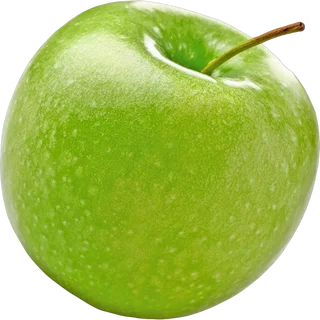
Apple
FRUITS, VEGETABLES AND NUTSA crisp, sweet, and slightly tart aroma, often featuring green, juicy nuances. In perfumery, apple notes range from fres...
Apple Blossom
FLOWERSApple Blossom offers a delicate, fresh, and subtly sweet floral aroma with light green and crisp fruity undertones, evok...
Apple Juice
FRUITS, VEGETABLES AND NUTSA bright, juicy, and sweetly refreshing aroma capturing the essence of freshly pressed apples. It often conveys a crisp,...
Apple liquor
SWEETS AND GOURMAND SMELLSApple Liquor delivers a rich, boozy, and sweet aroma, capturing the essence of cooked, caramelized apples fermented in s...
Apple Mint
GREENS, HERBS AND FOUGERESA crisp, clean, and invigorating scent blending the tart brightness of Granny Smith apples with the cool, uplifting esse...
Apple Pie
SWEETS AND GOURMAND SMELLSApple Pie is a comforting, gourmand accord defined by warm, spiced sweetness. It features dominant notes of baked apples...
Apple Pulp
FRUITS, VEGETABLES AND NUTSApple Pulp in perfumery presents a fresh, crisp, and slightly tart fruity note, capturing the essence of the apple's inn...
Apple Sherbet
FRUITS, VEGETABLES AND NUTSA sparkling, invigorating scent profile capturing the essence of chilled apple sorbet. It blends the crisp, slightly tar...
Apple Shisha Accord
NATURAL AND SYNTHETIC, POPULAR AND WEIRDThe Apple Shisha Accord is a rich, sweet, and smoky interpretation of apple, blending crisp, juicy red and green apple n...
Apple Tree
WOODS AND MOSSESApple Tree evokes the full complexity of the tree, blending green, crisp notes of fruit-laden branches with warm, sun-dr...
Applejack
BEVERAGESApplejack offers a warm, inviting, and complex gourmand/spicy aroma. It blends the sweet, cooked essence of spiced apple...
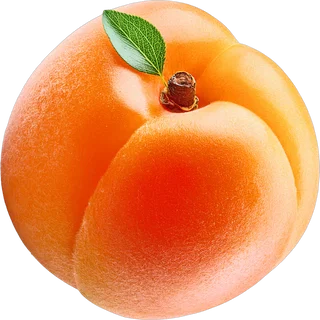
Apricot
FRUITS, VEGETABLES AND NUTSA delightfully fuzzy and soft fruity note, capturing the warm, velvety texture and juicy sweetness of ripe apricots. It ...
Apricot Blossom
FLOWERSA delicate, airy, and soft fantasy floral note, often infused with the subtle, sweet, and velvety aroma of ripe apricot ...
Apricot Jam
SWEETS AND GOURMAND SMELLSApricot Jam offers a luscious, intensely gourmand profile, capturing the scent of ripe, juicy apricot pulp cooked with c...
Aqual™
NATURAL AND SYNTHETIC, POPULAR AND WEIRDAqual™ delivers a clean, transparent, and intensely fresh aquatic note, reminiscent of cool sea spray and mineral water....
Aquozone
NATURAL AND SYNTHETIC, POPULAR AND WEIRDAquozone is a modern synthetic note known for its impactful, multi-faceted profile. It delivers a cool, effervescent, an...
Araucaria
WOODS AND MOSSESAraucaria offers a delicate, clean, and rich woody scent. It is sweet with subtle floral undertones, similar to nerolido...
Arbutus (Madrona Bearberry Tree)
WOODS AND MOSSESArbutus (Madrona) offers a subtle, woody-sweet profile, suggesting the tree's bark and red fruit. It often presents arom...
Arctic Bramble
FRUITS, VEGETABLES AND NUTSArctic Bramble in perfumery offers a nuanced, delicate scent profile. It features notes that are fresh, slightly tart, a...
Argan
FRUITS, VEGETABLES AND NUTSArgan oil used in perfumery is often filtered and deodorized, resulting in a nearly odorless profile or a soft, subtle, ...
Argan Tree
WOODS AND MOSSESThe Argan Tree note, typically derived from the oil/kernel, presents a light, nutty, and earthy profile. Filtered argan ...
Arnica
GREENS, HERBS AND FOUGERESArnica offers a sharp, herbaceous, and slightly medicinal profile in perfumery. It blends dry, slightly bitter green not...
Aromatic Notes
GREENS, HERBS AND FOUGERESAromatic notes deliver a fresh, invigorating, and herbaceous profile, commonly featuring essential herbs like lavender, ...
Artemisia
GREENS, HERBS AND FOUGERESArtemisia offers a complex, aromatic fougère profile that is herbaceous and camphoraceous. Popular varieties include wor...
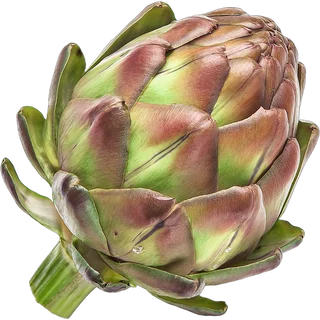
Artichoke
FRUITS, VEGETABLES AND NUTSArtichoke presents a unique vegetable profile in perfumery, characterized by a fleshy, slightly bitter, and fatty nuance...
Arum Lily
WHITE FLOWERSThe Arum Lily note presents a delicate, refined white floral profile, characterized by a mild scent of pollen and waxy, ...
Asafoetida
SPICESAsafoetida, or Devil's Dung, is the dried oleoresin of the Ferula taproot. It presents a strong, distinctive aroma that ...
Ash
NATURAL AND SYNTHETIC, POPULAR AND WEIRDAsh offers a dry, smoky, and mineral scent, evoking the remnants of burnt wood or embers. It provides an intense, dark t...
Ashberry
FRUITS, VEGETABLES AND NUTSThe Ashberry note presents a complex profile, often described as a syrupy gourmand with a molasses-like sweetness balanc...
Ashoka Flower
FLOWERSThe Ashoka Flower note presents a refined floral and woody profile, often blended with other accords. It is typically ch...
Asian Clintonia
FLOWERSAsian Clintonia offers a delicate, green-white floral profile, reminiscent of lily of the valley or cyclamen. It is char...
Asparagus
GREENS, HERBS AND FOUGERESAsparagus offers a unique green, vegetal, and slightly damp earthy profile in perfumery, often used to evoke photorealis...
Aspen
WOODS AND MOSSESAspen offers a crisp, aromatic, and invigorating profile capturing the freshness of the outdoors. It blends sharp green ...
Asphalt
NATURAL AND SYNTHETIC, POPULAR AND WEIRDAsphalt offers a dark, intensely tarry, and smoky industrial note, evoking hot pavement or freshly laid road. It feature...
Aspic
SWEETS AND GOURMAND SMELLSAspic, though classified under sweets and gourmand smells, is described in perfumery as a clean, comforting scent, often...
Assam Tea
GREENS, HERBS AND FOUGERESAssam Tea offers a rich, malty, and deep black tea aroma with distinct flowery-fruity nuances. It is complex, often feat...
Astragalus
FLOWERSAstragalus, derived from the Milk Vetch plant, provides an earthy, subtly sweet, and complex herbaceous aroma, often evo...
Australian Blue Cypress
WOODS AND MOSSESAustralian Blue Cypress offers a crisp, woody, and grounding profile, blending a smoky, dry, and slightly balsamic aroma...
Australian Oud
WOODS AND MOSSESAustralian Oud offers a raw, intensely woody, and leathery profile, distinct from traditional Southeast Asian oud. It is...
Avocado
GREENS, HERBS AND FOUGERESAvocado in perfumery offers a unique, creamy, green, and slightly waxy aroma, often used to impart a smooth, textural fe...
Azalea
FLOWERSAzalea offers a delicate, inviting floral note that is light, sweet, and airy. It is appreciated for its subtle, fresh c...
Azarbre
NATURAL AND SYNTHETIC, POPULAR AND WEIRDAzarbre offers a sophisticated, warm gourmand profile, dominated by a rich honey note interwoven with woody, orris, and ...
Azolla (Water Fern)
GREENS, HERBS AND FOUGERESAzolla, or Water Fern, offers a delicate, fresh aquatic green note, reminiscent of damp soil and clean water. It present...
Azteca Lily
FLOWERSAzteca Lily (or Tiger Lily) presents an intensely opulent, tropical white floral scent. It features a bright, green open...
Baba (Italian dessert)
SWEETS AND GOURMAND SMELLSBaba is a rich, boozy gourmand note, capturing the essence of sponge cake drenched in sweet, often citrusy rum syrup. It...
Baby’s Breath
FLOWERSBaby's Breath offers a delicate, fresh green, and slightly sweet opening with herbaceous and milky nuances. As it develo...
Bacon
MUSK, AMBER, ANIMALIC SMELLSSmoky, meaty, and phenolic aroma with complex, savory depth. It features a prominent roasted and crisp bacon-like qualit...
Bagas de Zimbro
GREENS, HERBS AND FOUGERESA powerful, sharp, and peppery aromatic note, strongly reminiscent of gin and fresh pine forest. It has a resinous, slig...
Baguette
SWEETS AND GOURMAND SMELLSA comforting gourmand profile capturing the essence of a fresh French baguette. It opens with the warm scent of baked br...
Baileys Irish Cream
BEVERAGESA creamy, gourmand profile featuring rich notes of sweet Irish whiskey and dark roasted coffee. It blends the warmth of ...
Baked Apple
SWEETS AND GOURMAND SMELLSBaked Apple is a warm, sweet gourmand note that captures the comforting aroma of apple pie. It blends the juicy sweetnes...
Baked Pear
SWEETS AND GOURMAND SMELLSA sweet, warm, and comforting scent that evokes the soft, caramelized flesh of a pear. It features rich, cooked sugars w...
Bakhoor
RESINS AND BALSAMSBakhoor offers a rich, complex, and luxurious profile centered on Agarwood (Oud), providing deep, woody, balsamic, and o...
Baking Spices
SPICESBaking Spices offer a warm, rich, and comforting aroma, driven by facets of sweet clove, nutmeg, and allspice. This note...
Baklava
SWEETS AND GOURMAND SMELLSBaklava presents a rich, indulgent gourmand profile, defined by layers of honeyed sweetness, crushed nuts (walnut/pistac...
Balsamic Notes
RESINS AND BALSAMSBalsamic notes are warm, sweet, and comforting, evoking deep, resinous, and vanillic aromas. They are rich, often heavy,...
Balsamic Vinegar
RESINS AND BALSAMSA complex, heavy, and intensely sweet-sticky profile, reminiscent of aged, sweet woody notes. It possesses a dark, rich ...
Bamboo
WOODS AND MOSSESBamboo offers a unique profile that is fresh, green, and aquatic, evoking tropical humidity. It features airy, earthy no...

Banana
FRUITS, VEGETABLES AND NUTSBanana in perfumery offers a sweet, creamy, and slightly green tropical aroma, often evoking a sense of ripe fruit with ...
Banana Bread
SWEETS AND GOURMAND SMELLSA warm, comforting gourmand note blending ripe banana sweetness with nutty accents and rich spice. Features aromatic fac...
Banana Flower
FLOWERSBanana Flower offers a unique, creamy tropical profile. It blends bright, sweet, fruity notes (reminiscent of sharp, rip...
Banana Leaf
GREENS, HERBS AND FOUGERESBanana Leaf offers a distinctively green, lush, and slightly waxy aroma, reminiscent of tropical foliage. It is clean, f...
Banksia Australian
FLOWERSBanksia offers an exotic, complex profile, often characterized by its nectar note. It blends aromatic, woody, and spicy ...
Baobab
WOODS AND MOSSESBaobab is a sophisticated, dry woody note, often described as having an earthy, slightly mossy, and faintly dusty aroma....
Barberry
FRUITS, VEGETABLES AND NUTSBarberry offers a complex, tart, and fruity aroma often described as simultaneously sour and sweet, reminiscent of cranb...
Bark
WOODS AND MOSSESA rugged, layered, and complex woody note. The profile varies by tree species, offering scents that can range from dry a...
Barley
GREENS, HERBS AND FOUGERESBarley offers a distinctive, warm gourmand profile, primarily characterized by roasted cereal and toasted grain notes. I...
Barrenwort
GREENS, HERBS AND FOUGERESBarrenwort offers a subtle, intriguing profile, often categorized as green and slightly floral-herbaceous. It possesses ...
Basil
GREENS, HERBS AND FOUGERESBasil offers a fresh, vibrant, and invigorating aromatic profile. It presents a crisp, green, and herbaceous scent with ...
Batida
BEVERAGESBatida offers a tropical, creamy, and lush gourmand profile, capturing the essence of the Brazilian cocktail. It feature...
Bay Essence
GREENS, HERBS AND FOUGERESBay Essence offers a warm, spicy, and strongly aromatic profile, often described as a blend of clove, cinnamon, and alls...
Bay Leaf
SPICESBay offers a spicy, green, and herbal aroma with a distinct clove effect, whispering warmth and subtle sweetness. This n...
BBQ
MUSK, AMBER, ANIMALIC SMELLSBBQ is a sweet and savory note of synthetic origin, often considered a novelty. It can evoke complex, dark aromas, somet...
Beachheather
GREENS, HERBS AND FOUGERESBeachheather offers a crisp, fresh, and complex scent profile, evoking a summer's breeze on the beach. It blends bright ...
Bearberry
FRUITS, VEGETABLES AND NUTSBearberry, or Uva Ursi, presents a subtle, slightly phenolic, medicinal note with dry, herbaceous, and faintly fruity un...
Beech
WOODS AND MOSSESBeech offers a powerful, tenacious woody aroma, conveying the scent of undergrowth—moist, earthy, and slightly camphorat...
Beer
BEVERAGESA bold, aromatic, and effervescent scent that captures the essence of a malty beverage. It opens with malt liquor, leadi...
Beer/Ale
BEVERAGESA complex, multifaceted note combining rich, malty, and bready characteristics with vibrant, zesty citrus (grapefruit, o...
Beeswax
MUSK, AMBER, ANIMALIC SMELLSBeeswax offers a warm, soft, and slightly sweet-honeyed scent, often incorporating rich, creamy, and slightly waxy under...
Beetroot
FRUITS, VEGETABLES AND NUTSIn perfumery, beetroot offers a unique, earthy, and slightly sweet aroma, often described as damp soil or mineralic. It ...
Begonia
FLOWERSBegonia in perfumery is typically an abstract floral note, capturing the plant's delicate, fresh, and slightly metallic ...
Behini Tree
GREENS, HERBS AND FOUGERESBehini Tree (Chamaecyparis Formosensis) offers an intense, spicy woody aroma. This hardy conifer, native only to Taiwan,...
Belambra Tree
WOODS AND MOSSESBelambra Tree (also known as Belambre or Ambroxan derivatives) is a synthetic wood and amber note prized for its clean, ...
Belanis
WHITE FLOWERSBelanis is a synthetic molecule featuring the scent of white flowers and jasmine, complemented by distinct facets of ani...
Belladona
FLOWERSBelladonna, or Deadly Nightshade, translates into a deep, intense, and mysterious floral profile in perfumery. It captur...
Bellflower
FLOWERSBellflower offers a sweet, delicate floral note, often described as fresh, green, and feminine. It is characterized by a...
Bellini
BEVERAGESBellini offers a vibrant, sparkling, and sweet fruity profile, capturing the essence of peach and prosecco. It has juicy...
Bengal Pepper
SPICESBengal Pepper offers a complex, spicy, and rising profile. It is intensely fresh and warm, featuring a zesty, bright, be...
Benzoin
RESINS AND BALSAMSBenzoin is a warm, sweet, and balsamic resin note prized for its vanilla-like softness and depth. It offers creamy, cara...

Bergamot
CITRUS SMELLSBergamot offers a bright, complex, and highly refined citrus note, prized for its earl grey tea-like quality. It combine...
Bergamot Blossom
FLOWERSA complex, elegant profile that opens with sparkling, bright citrus (Bergamot, Lemon) and fresh white floral tones. The ...
Berries
FRUITS, VEGETABLES AND NUTSBerries offer a complex, vibrant profile in perfumery, ranging from the sweet and juicy depth of blackcurrant and raspbe...
Betel Leaf
GREENS, HERBS AND FOUGERESBetel Leaf oil presents a distinctive, complex profile that is intensely aromatic, green, and herbaceous, with a subtle ...
Bigarade
CITRUS SMELLSBigarade, or bitter orange, offers a zesty, bright, and slightly metallic citrus note with complex green and herbaceous ...
Bigarane™
GREENS, HERBS AND FOUGERESBigarane™ offers a crisp, fresh green note with a vibrant, modern lift. It is a synthetic molecule providing a sharp, sl...
Birch
WOODS AND MOSSESBirch offers a complex, intense, and distinctively smoky, woody aroma, often derived from birch tar. It features strong,...
Birch Tar
RESINS AND BALSAMSBirch Tar offers an intensely smoky, leather-like, and phenolic aroma, often described as tarry and deeply woody. It imp...
Bird cherry
FLOWERSBird cherry in perfumery presents a complex, sweet, and slightly narcotic aroma. It features a delicate floral core, oft...
Biryani
SPICESBiryani, a spicy pilaf, offers a rich, warm, and complex spice profile. It features an aromatic blend of concentrated sp...
Bisabolene
RESINS AND BALSAMSBisabolene offers a warm, lightly sweet, and balsamic scent, often featuring spicy-floral facets and subtle woody undert...
Biscotti
SWEETS AND GOURMAND SMELLSBiscotti offers a rich, gourmand profile, capturing the aroma of freshly baked Italian biscuits. It blends warm, sweet f...
Biscuit
SWEETS AND GOURMAND SMELLSThe Biscuit note delivers a warm, comforting, and dry gourmand aroma, reminiscent of buttery, freshly baked shortbread o...
Bitter melon
FRUITS, VEGETABLES AND NUTSBitter melon in perfumery offers a unique, green, and slightly acerbic scent, often presenting a fresh, aquatic bitterne...

Bitter Orange
CITRUS SMELLSBitter Orange oil offers a complex, tart, and zesty citrus aroma, often described as a blend of sweet orange, bergamot, ...
Black Cherry
FRUITS, VEGETABLES AND NUTSBlack Cherry is a rich, luscious, sweet yet tart note prized for its versatility. In perfumery, it enhances gourmand acc...
Black Currant
FRUITS, VEGETABLES AND NUTSBlack Currant (Cassis) is characterized by a rich, fruity, slightly tart, and vibrant aroma, often described with green ...
Black Currant Blossom
FLOWERSBlack Currant Blossom offers a light, sweet, and sophisticated fruity scent, distinct from the sharper, "catty" notes of...
Black Currant Leaf
GREENS, HERBS AND FOUGERESBlack Currant Leaf (Bourgeons de Cassis) is intensely green, fresh, and distinctly fruity, offering a sweet-sour, juicy ...
Black Diamond
NATURAL AND SYNTHETIC, POPULAR AND WEIRDBlack Diamond offers a bold, complex profile. It features an invigorating opening of citrus (lemon) and blackcurrant, su...
Black Hemlock or Tsuga
WOODS AND MOSSESBlack Hemlock (Tsuga canadensis) offers a dark, mysterious, and deeply woodsy aroma, evoking a boreal forest. Its scent ...
Black Leather
NATURAL AND SYNTHETIC, POPULAR AND WEIRDBlack Leather presents a smoky, rich, and intensely dark aroma, often featuring notes of birch tar, castoreum, or synthe...
Black Locust
WHITE FLOWERSBlack Locust offers an intense, pleasant white floral note, characterized by its resemblance to both creamy mimosa and b...
Black Sapote
FRUITS, VEGETABLES AND NUTSBlack Sapote, or "Chocolate Pudding Fruit," offers a unique and gourmand profile in perfumery, blending creamy, rich cho...
Black Sesame
SPICESBlack Sesame offers a deep, rich, and sophisticated nutty scent with pronounced earthy undertones. It possesses a warm, ...
Black Spruce
WOODS AND MOSSESBlack Spruce offers a crisp, green, and resinous wood scent. It blends bright, balsamic pine and forest notes with compl...
Black Walnut
FRUITS, VEGETABLES AND NUTSBlack Walnut offers a deep, nutty aroma with distinct woody and subtle smoky undertones. It has a natural, grounding, an...
Blackberry
FRUITS, VEGETABLES AND NUTSA synthetic note in perfumery, blackberry offers a tangy-sweet and lusciously fruity profile. It delicately wavers betwe...
Blackberry Blossom
FLOWERSBlackberry Blossom offers a delicate, airy, and slightly sweet floral scent, reminiscent of white jasmine and honeysuckl...
Blackberry Leaf
GREENS, HERBS AND FOUGERESBlackberry Leaf offers a unique green, herbaceous aroma, distinct from the fruit. It is mildly sweet, grass-like, and sl...
Blackcurrant Juice
BEVERAGESBlackcurrant Juice offers a vibrant, juicy, and intensely fruity aroma, blending the sweet, slightly tangy character of ...
Blackthorn
FRUITS, VEGETABLES AND NUTSThe Blackthorn note, or sloe, offers a dark, slightly tart fruitiness reminiscent of plum or bitter almond, often with a...
Blackwood
WOODS AND MOSSESBlackwood offers a substantive, deep woody note with a prominent amber facet. It is a refined, complex, and diffusive ar...
Blonde Tobacco
GREENS, HERBS AND FOUGERESBlonde Tobacco is a smooth and mild, light-hearted variation of tobacco, typically derived from washed leaves of the pla...
Blonde Woods
WOODS AND MOSSESA calm, inviting tropical profile blending sweet coconut milk with the complex warmth of blonde woods. It features cream...
Blood
NATURAL AND SYNTHETIC, POPULAR AND WEIRDA metallic, iron-like, and intensely raw scent, featuring a sharp, coppery, and slightly unsettling aroma. It conveys a ...

Blood Orange
CITRUS SMELLSBlood Orange offers a vibrant, juicy, and intensely sweet citrus aroma, distinct from regular orange with its slightly r...
Blue Amber
RESINS AND BALSAMSBlue Amber is a complex, rich, and mystical interpretation of the classic amber accord. It possesses a luminous, slightl...
Blue Bugle
GREENS, HERBS AND FOUGERESBlue Bugle (Ajuga) offers a fresh, green, and subtly herbaceous aroma, often leaning toward a cool, slightly metallic ve...
Blue Lilies
FLOWERSBlue Lilies offer a fresh, ethereal, and subtly aquatic floral profile. The scent is delicate and dewy, often conveying ...
Blue Margarita
BEVERAGESBlue Margarita offers a cool, vivid, and tart aroma, capturing the cocktail's zesty lime and sweet, slightly metallic bl...
Blue Poppy
FLOWERSBlue Poppy (Meconopsis) offers an ethereal, dewy floral note, combining delicate, slightly powdery blue-green facets wit...
Bluebell
FLOWERSBluebell offers a luminous, highly delicate floral profile, capturing the essence of a spring woodland. It possesses a c...
Blueberry
FRUITS, VEGETABLES AND NUTSBlueberry offers a charming and multifaceted aroma in perfumery, characterized by a fresh, juicy sweetness balanced with...
Bohea (Wuyi Tea)
BEVERAGESBohea (Wuyi Tea) offers a sophisticated, warm profile. It presents a dark, smoky tea note layered with the spicy sweetne...
Bois d'Encens
RESINS AND BALSAMSBois d'Encens presents a dry, smoky, and spiritual profile centered on frankincense. It features the cool, sharp luminos...
Boisiris
NATURAL AND SYNTHETIC, POPULAR AND WEIRDBoisiris offers a rich, elegant woody profile with a distinct, powdery orris note. It features warm, complex ambery and ...
Bonbon
SWEETS AND GOURMAND SMELLSBonbon is a delectable gourmand fragrance note, intensely sweet and indulgent, characterized by rich caramel melted over...
Boozy Notes
BEVERAGESBoozy Notes capture the rich, warm, and indulgent aromas of spirits like rum, whiskey, or cognac. They add sophisticated...
Borage
GREENS, HERBS AND FOUGERESBorage offers a unique, complex aroma blending green, watery freshness, often described as cucumber-like, with subtle fl...
Borneol
GREENS, HERBS AND FOUGERESBorneol offers a fresh, cool, and camphoraceous-woody aroma. It has prominent notes of pine and wood, often featuring a ...
Boronia
WHITE FLOWERSBoronia offers a unique, intensely fragrant profile, often likened to a complex blend of Freesia and Osmanthus. It featu...
Bottlebrush
FLOWERSBottlebrush offers a bright, subtly spicy, and intensely green floral profile, reminiscent of a blend of honeyed sweetne...
Bougainvillea
FLOWERSBougainvillea offers a bright, complex floral profile blending tropical and green facets. It opens with lotus flower and...
Bourbon Whiskey
BEVERAGESBourbon Whiskey offers a rich, brown, and deeply complex profile. It features warm, sweet notes of caramel, maple, and t...
Bourgeonal
NATURAL AND SYNTHETIC, POPULAR AND WEIRDBourgeonal is a fresh, floral, watery muguet note with a lilial-like aldehydic character. It possesses a woody sandalwoo...
Boysenberry
FRUITS, VEGETABLES AND NUTSBoysenberry in perfumery presents a rich, sweet, and slightly tart berry aroma, capturing the essence of blackberry and ...
Bran
GREENS, HERBS AND FOUGERESBran offers a warm, complex, and comforting profile. It blends nutty, cereal-like bran facets with deep ambery and woody...
Brazil Nut
FRUITS, VEGETABLES AND NUTSA creamy, edible, and slightly oily note with hints of sweetness and wood. It conveys a rich, tropical nuttiness, adding...
Brazilian Rosewood
WOODS AND MOSSESBrazilian Rosewood offers a soft, complex profile with prominent rosy and spicy-peppery floral notes. It features warm, ...
Bread
SWEETS AND GOURMAND SMELLSThe Bread note captures the warm, comforting scent of freshly baked dough. It presents a starchy, slightly yeasty aroma ...
Bread Flower
FLOWERSBread Flower offers a rich, intoxicating floral heart blending jasmine and rice pandan. It features a unique, complex ar...
Breadnut
FRUITS, VEGETABLES AND NUTSBreadnut (Artocarpus altilis) in perfumery offers a unique, starchy, slightly milky and sweet aroma with tropical, green...
Breu-Branco
RESINS AND BALSAMSBreu-Branco is a precious Amazonian resin, offering a unique balsamic and sweet profile with mysterious density. It feat...
Brick
NATURAL AND SYNTHETIC, POPULAR AND WEIRDThe "Brick" note in perfumery often conveys an evocative, mineralic scent associated with warm, dry clay, dust, or mason...
Brioche
SWEETS AND GOURMAND SMELLSBrioche offers a rich, comforting gourmand scent, capturing the aroma of freshly baked, warm sweet bread. It features pr...
Bromelia
FLOWERSBromelia presents a soft, long-lasting floral profile reminiscent of orange blossom. It features a sweet, fruity grape/s...
Brown Scotch Tape
NATURAL AND SYNTHETIC, POPULAR AND WEIRDA conceptual, avant-garde fantasy note, Brown Scotch Tape offers a distinctive aroma combining aspects of glue and plast...
Brown Sugar
SWEETS AND GOURMAND SMELLSBrown Sugar offers a rich, comforting gourmand note, capturing the sticky sweetness and deep, caramelized nuances of mol...
Brownie
SWEETS AND GOURMAND SMELLSA rich, decadent gourmand note capturing the essence of freshly baked chocolate fudge brownie. It blends deep dark choco...
Bubbaloo
SWEETS AND GOURMAND SMELLSA vibrant, nostalgic gourmand note capturing the essence of sweet bubblegum. It features a sticky, intensely fruity bouq...
Bubble Gum
SWEETS AND GOURMAND SMELLSA vivid, intensely sweet, and juicy gourmand note. It is typically a tutti-frutti accord, blending sweet, sugary fruit f...
Buchu or Agathosma
GREENS, HERBS AND FOUGERESBuchu (Agathosma) essential oil, steam-distilled from Barosma Betulina leaves, presents a unique, penetrating bitter-swe...
Buckwheat
GREENS, HERBS AND FOUGERESBuckwheat offers a complex profile blending green and slightly sweet facets with distinctive aromatic compounds. Key not...
Buckwheat Tea
GREENS, HERBS AND FOUGERESBuckwheat Tea (Soba Cha) offers a warm, dry, and intensely nutty aroma with a cereal-like sweetness. It is often describ...
Buddha Wood
WOODS AND MOSSESBuddha Wood offers a rugged, rich, dry woody aroma reminiscent of oak and driftwood. It features a resinous top note, wi...
Buddha's hand
CITRUS SMELLSBuddha's Hand possesses a bright, zesty, and highly aromatic profile, distinct from typical citrus. It offers a complex ...
Buddleia
FLOWERSBuddleia, or Butterfly Bush, offers a delicate, sweet, and soft floral scent with notable fruity and slightly green nuan...
Bulrush
GREENS, HERBS AND FOUGERESBulrush offers a rare, distinctive herbal-green and aqueous profile, capturing the scent of fresh reeds and wet earth. I...
Burdock
GREENS, HERBS AND FOUGERESBurdock offers a unique aromatic profile blending fresh herbaceous greenness with subtle earthy roots. It features a bri...
Buriti
FRUITS, VEGETABLES AND NUTSThe Buriti note is rich, tropical, and oily, offering a luminous, sweet, and slightly earthy scent with nuances of ripe ...
Burning Cherry
FRUITS, VEGETABLES AND NUTSBurning Cherry provides a rich, dark, and boozy cherry aroma with warm, fruity nuances. It carries hints of sweetness, o...
Burnt Match
NATURAL AND SYNTHETIC, POPULAR AND WEIRDBurnt Match offers a sharp, smoky, and sulfurous profile, instantly evoking an ignited match head and charred wood. It i...
Burnt Sugar
SWEETS AND GOURMAND SMELLSBurnt Sugar is a warm, deeply caramelized note, intensely sweet with a complex, slightly bitter, smoky edge. It often fe...
Bushman Candle
RESINS AND BALSAMSBushman Candle offers a warm, soft, and luminous resinous profile, characterized by creamy, subtle vanilla facets and a ...
Butomus Umbellatus
FLOWERSButomus Umbellatus, or Flowering Rush, offers a light, sweet, and mildly fragrant floral scent, often subtle and clean. ...
Butter
SWEETS AND GOURMAND SMELLSA rich, fatty, and intensely creamy gourmand note, capturing the warm, indulgent essence of melted butter or dairy. It o...
Buttercream
SWEETS AND GOURMAND SMELLSButtercream offers a creamy, warm, and highly indulgent gourmand profile. It features rich notes of freshly churned butt...
Buttercup
FLOWERSButtercup offers a bright, dewy floral note, characterized by a fresh, slightly green crispness reminiscent of wildflowe...
Buttered Rum
BEVERAGESA warm, cozy, and intense gourmand note, combining the scent of sweet, simmered rum with rich, creamy butter and baking ...
Buttermilk
BEVERAGESButtermilk offers a complex, slightly sour, dairy aroma with creamy, buttery, and cheesy facets. It possesses a waxy, fa...
Butterscotch
SWEETS AND GOURMAND SMELLSButterscotch offers a rich, comforting gourmand aroma, combining sweet, melted brown sugar, creamy butter, and a hint of...
Buxus
WOODS AND MOSSESBuxus, or Boxwood, offers a distinctive, dry, and slightly reserved woody note. It is not commonly used, but in perfumer...
Cabernet Grape
FRUITS, VEGETABLES AND NUTSCabernet Grape, belonging to the FRUITS, VEGETABLES AND NUTS group in perfumery, offers a rich and complex aroma profile...
Cabreuva
WOODS AND MOSSESCabreuva offers a sophisticated, sweet woody profile with exceptional fixative properties. It possesses distinctive flor...
Cacao Blossom
FLOWERSCacao Blossom presents a delicate floral note with hints of the raw, earthy complexity of the cacao bean. It offers subt...
Cacao Butter
SWEETS AND GOURMAND SMELLSCacao Butter offers a rich, creamy, and intensely comforting gourmand note. It has a slightly sweet, waxy, and milky pro...
Cacao Pod
SPICESDeep, indulgent, and rich, the Cacao Pod note is prominently chocolatey with creamy, warm, and comforting undertones. It...
Cachaça
BEVERAGESCachaça offers a complex profile blending vibrant fruity notes, such as apple and peach/apricot, with a distinct, warm, ...
Cachaça
BEVERAGESCachaça offers a complex profile blending vibrant fruity notes, such as apple and peach/apricot, with a distinct, warm, ...
Cachalox
MUSK, AMBER, ANIMALIC SMELLSCachalox is a potent synthetic ambergris note, offering a smooth, radiant, and slightly metallic marine freshness couple...
Cactus
GREENS, HERBS AND FOUGERESCactus in perfumery is a fresh, lush, and green watery note, often presenting a juicy, sometimes solar and subtly powder...
Cactus Blossom
FLOWERSAn airy, fresh, and mildly exotic floral scent. It features crisp green notes of cactus stem, a subtle sweetness of the ...
Cade oil
RESINS AND BALSAMSCade oil, distilled from juniper wood, offers an intense, deep, smoky, and leathery profile. It possesses a powerful tar...
Caffè Latte
BEVERAGESA warm, comforting gourmand accord combining rich, bold roasted coffee with velvety steamed milk. It is characterized by...
Caffè Latte
BEVERAGESA warm, comforting gourmand accord combining rich, bold roasted coffee with velvety steamed milk. It is characterized by...
Caipirinha
BEVERAGESCaipirinha offers a uniquely fresh, invigorating citrus profile, capturing the essence of mashed lime and sugar blended ...
Cake
SWEETS AND GOURMAND SMELLSCake offers a rich, gourmand profile: intensely sweet, buttery, and creamy, with prominent vanilla and soft caramel note...
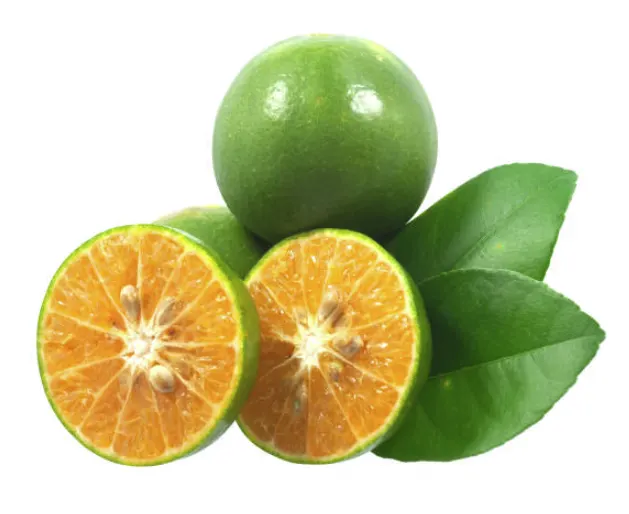
Calamansi
CITRUS SMELLSCalamansi presents a bright, zesty citrus profile, often described as a cross between lime and mandarin. It is intensely...
Calamus
GREENS, HERBS AND FOUGERESCalamus, or Sweet Flag, presents a complex and inviting aromatic profile, combining a distinct warm, spicy woodiness wit...
Calendula
FLOWERSCalendula offers a delicate, sweet, and slightly herbal scent profile. This floral middle note is prized in perfumery fo...
Calissons d'Aix
SWEETS AND GOURMAND SMELLSA soft, sophisticated gourmand profile capturing the famous Aix confectionery. It blends warm, powdery almond and rice p...
Calla Lily
FLOWERSCalla Lily offers a delicate, green, and slightly waxy floral aroma, often perceived as clean and fresh with subtle aqua...
Calone
NATURAL AND SYNTHETIC, POPULAR AND WEIRDCalone offers an intense, ozonic sea-breeze note, defining the marine olfactory family. It provides watery, fresh diffus...
Calvados Drink
BEVERAGESCalvados offers a sophisticated, boozy apple scent, combining the bright zest of fresh apple cider with the rich warmth ...
Calycanthus
GREENS, HERBS AND FOUGERESCalycanthus (Sweet Shrub/Spice Bush) offers a unique profile that blends sweet, fragrant floral notes with complex fruit...
Calypsone
NATURAL AND SYNTHETIC, POPULAR AND WEIRDCalypsone is a Givaudan molecule known for its ozonic, sea breeze aroma, offering a distinct watery freshness. It featur...
Cambodian Oud
WOODS AND MOSSESOud Cambodi is a rich, complex, and deep fragrance profile centered on Cambodian Oud. It is described as sweet, creamy, ...
Camellia
FLOWERSCamellia is a fantasy floral note, prized for its sophisticated, delicate, and pure essence. It typically manifests as a...
Campari
BEVERAGESThis is a fantasy note capturing the signature bitter-sweetness of the Italian aperitif, Campari. It presents an intense...
Camphor
NATURAL AND SYNTHETIC, POPULAR AND WEIRDCamphor offers a bracing, intensely green, and pungent aroma, reminiscent of white crystals or mothballs. In perfumery, ...
Campion Flower
FLOWERSCampion Flower offers a delicate, classic floral profile, often subtle by day but intensifying into the evening. It is c...
Canadian Balsam
WOODS AND MOSSESCanadian Balsam offers a fresh, highly aromatic coniferous scent, often featuring sweet, resinous, and slightly woody un...
Cananga
FLOWERSCananga oil presents a rich, narcotic sweet floral profile, reminiscent of ylang-ylang and jasmine, with heady, fruity (...
Candied Flowers
SWEETS AND GOURMAND SMELLSA luminous and highly sweet interpretation of classic florals, Candied Flowers captures the essence of petals dipped in ...
Candied Fruits
SWEETS AND GOURMAND SMELLSCandied Fruits is a sweet, intensely rich, and sticky gourmand note, capturing the scent of crystallized fruit rinds (ci...
Candied Ginger
SWEETS AND GOURMAND SMELLSA warm, intensely spicy, and gourmand note, capturing the sweet heat of crystallized ginger. It features an effervescent...
Candied Lemon
CITRUS SMELLSCandied Lemon offers a bright, intensely sweet, and juicy citrus aroma, capturing the scent of lemon peel cooked in suga...
Candied Orange
SWEETS AND GOURMAND SMELLSCandied Orange offers an intensely sweet, juicy, and warm citrus aroma, capturing orange peel cooked in sugary syrup. It...
Candies
SWEETS AND GOURMAND SMELLSCandies notes deliver an intensely sweet, sugary, and often photorealistic gourmand profile, capturing scents like hard ...
Candle Wax
NATURAL AND SYNTHETIC, POPULAR AND WEIRDA subtle, warm, and somewhat inert fatty scent, often described as waxy, smooth, and slightly sweet, with potential nuan...
Candlenut
FRUITS, VEGETABLES AND NUTSThe candlenut, or kukui nut, offers a rich, creamy, and slightly waxy nutty aroma in perfumery, often featuring mild, mi...
Candy apple
SWEETS AND GOURMAND SMELLSCandy Apple offers a gourmand, fruity floriental profile. It captures the intensely sweet, sticky aroma of caramelized s...
Cangzhu
GREENS, HERBS AND FOUGERESCangzhu offers a complex, aromatic, and distinctly earthy profile, anchoring the transition between green and herbal not...
Canna flower
UNCATEGORIZEDCanna flower offers a bright, light floral profile with a delicate, slightly sweet aroma, often featuring a subtle spicy...
Cannabis
GREENS, HERBS AND FOUGERESCannabis in perfumery offers a complex, green, and herbaceous aroma with distinct earthy, slightly bitter, and spicy fac...
Cannonball Flower
FLOWERSCannonball Flower offers a unique, complex aroma, balancing its key natural compounds. It is often described as soft, so...
Cantaloupe
FRUITS, VEGETABLES AND NUTSA luminous and juicy aroma, Cantaloupe in perfumery offers a fresh, watery, and intensely fruity profile. It combines th...
Canvas
NATURAL AND SYNTHETIC, POPULAR AND WEIRDCanvas in perfumery suggests a clean, dry, slightly starchy textile note, often used to convey texture, space, or a subt...
Caoutchouc
NATURAL AND SYNTHETIC, POPULAR AND WEIRDCaoutchouc (natural rubber) in perfumery presents a unique, dark, earthy, and slightly smoky aroma, often carrying subtl...
Caper
GREENS, HERBS AND FOUGERESCaper, when used in perfumery, offers a unique, savory, and slightly salty green profile. It is intensely herbaceous and...
Capitiú
GREENS, HERBS AND FOUGERESCapitiú presents a floral-ambery profile with a fresh, citrus opening (Lemon, Mandarin, Pink Pepper) layered over a crea...
Capitiú
GREENS, HERBS AND FOUGERESCapitiú presents a floral-ambery profile with a fresh, citrus opening (Lemon, Mandarin, Pink Pepper) layered over a crea...
Cappuccino
BEVERAGESCappuccino offers a rich, comforting gourmand aroma, blending dark, roasted coffee bean notes with warm, frothy milk foa...
Carambola Blossom
FLOWERSCarambola Blossom offers a delicate, intensely fresh, and airy profile, capturing the unique essence of star fruit with ...
Carambola (Star Fruit)
FRUITS, VEGETABLES AND NUTSA fresh and sour fruity note, Carambola (Star Fruit) offers a bright, slightly tart, and watery sensation. It is reminis...
Caramel
SWEETS AND GOURMAND SMELLSCaramel is a deep, rich, dense, and sickly-sweet scent with warm, buttery tones, defining fragrances with sensual heat. ...
Caramelized Almond
SWEETS AND GOURMAND SMELLSA rich gourmand note of toasted almonds entwined with molten caramel, offering a sweet, nutty, and subtly woody warmth. ...
Caraway
SPICESCaraway offers a sharp, sweet, and lightly spicy note derived from the essential oil of its seeds. It provides a unique ...
Cardamom
SPICESCardamom offers a warm, spicy, and slightly sweet aroma, highly valued in perfumery. It features a complex profile with ...
Cardamom Flower
FLOWERSCardamom Flower offers a refined, delicate take on the classic spice. It is lightly warm, aromatic, and distinctly green...
Carissa
WHITE FLOWERSCarissa offers a bright, sweet white floral fragrance, reminiscent of a complex blend of jasmine and gardenia. It posses...
Carnation
FLOWERSCarnation offers a complex floral profile: spicy, clove-like, and slightly peppery, often with powdery and delicate hone...
Carnation Leaves
GREENS, HERBS AND FOUGERESCarnation Leaves offer a green, sharp, and slightly bitter vegetal aroma, distinct from the flower's spicy clove scent. ...
Carob Tree
WOODS AND MOSSESCarob Tree offers a sweet, date-like note with distinct cocoa powder facets. It carries complex undertones that can incl...
Carolina Reaper
SPICESA synthetic, intensely fiery and aggressively hot spice note, capturing the extreme heat of the chili with a chemical ed...

Carrot
FRUITS, VEGETABLES AND NUTSCarrot in perfumery is primarily used as Carrot Seed oil, offering an earthy, powdery, and slightly spicy aroma, often l...
Carrot Seeds
MUSK, AMBER, ANIMALIC SMELLSCarrot Seed oil is earthy, dry, and root-like, with powdery, woody undertones. It offers complex nuances, including camp...
Carum
SPICESCaraway (Carum) offers a distinctive aromatic profile that is sharp, sweet, and lightly spicy, with clear herbaceous and...
Cascalone
NATURAL AND SYNTHETIC, POPULAR AND WEIRDCascalone is a fresh, aquatic ingredient in the marine/ozonic family. It offers a sweet, watery version of Calone with t...
Cascarilla
WOODS AND MOSSESCascarilla offers a complex, aromatic spice profile. It is notably fresh and woody, featuring prominent black pepper nua...
Cashalox
NATURAL AND SYNTHETIC, POPULAR AND WEIRDCashalox (Firmenich) is a synthetic ingredient offering a powerful, elegant, and warm ambery-woody note. It features the...
Cashew
FRUITS, VEGETABLES AND NUTSThe cashew note in perfumery offers a rich, nutty aroma reminiscent of toasted popcorn, roasted almond, and hazelnut, of...
Cashew Flower
FLOWERSCashew Flower offers a unique, creamy-tropical floral profile, often described as luminous and slightly narcotic. It fea...
Cashmeran
NATURAL AND SYNTHETIC, POPULAR AND WEIRDCashmeran is a popular synthetic musk, highly valued for its diffusive, soft, warm, woody, and musky-amber profile, ofte...
Cashmir wood
WOODS AND MOSSESCashmir wood (Cashmeran) is a warm, musky-woody synthetic note with exceptional softness and diffusion. It provides a ve...
Cassata Siciliana
SWEETS AND GOURMAND SMELLSCassata Siciliana offers a complex gourmand profile, capturing the scent of candied fruits, sweet ricotta cream, and alm...
Cassia
SPICESCassia offers an intensely warm, pungent, and rich spicy aroma, closely resembling cinnamon but often sharper and earthi...
Cassowary Fruit
FRUITS, VEGETABLES AND NUTSThe Cassowary Fruit note offers a tropical, slightly sweet aroma with a unique, slightly tart complexity reminiscent of ...
Castoreum
MUSK, AMBER, ANIMALIC SMELLSCastoreum offers a potent, warm, and deeply animalic aroma with leathery, smoky, and slightly tar-like nuances. It provi...
Catnip
GREENS, HERBS AND FOUGERESCatnip oil offers a strong, characteristic, and distinctly herbal aroma. In perfumery, this scent is often described as ...
Cauliflower
FRUITS, VEGETABLES AND NUTSCauliflower in perfumery can present a surprising profile, ranging from vegetable, faint warm, oily, and caramel nuances...
Caviar
MUSK, AMBER, ANIMALIC SMELLSCaviar offers a unique, marine-animalic note in perfumery, embodying a sophisticated, salty savoriness. It evokes the oc...
Cedar
WOODS AND MOSSESCedar offers a dry, woody, and intensely aromatic scent. It ranges from pencil-shavings dryness (Virginia/Texas Cedar) t...
Cedar Leaves
GREENS, HERBS AND FOUGERESCedar Leaves offer a sharp, fresh, and intensely green profile. It is distinctly camphoraceous and woody, often used to ...
Cedar Roots
GREENS, HERBS AND FOUGERESCedar Roots offer a dark, complex, and earthy profile. It is often compared to a resinous vetiver or a soft oud, featuri...
Celery
GREENS, HERBS AND FOUGERESCelery Seed Oil offers a complex, savory-spicy profile far removed from fresh stalks. It features warm, gourmand, soup-l...
Celery Seeds
GREENS, HERBS AND FOUGERESCelery Seed Oil offers a complex savory-spicy profile with warm, gourmand, soup-like facets. It possesses earthy-woody d...
Celosia
FLOWERSPerfumery, rooted in the citrus family, offers a radiant, complex, and intensely uplifting profile. It often blends the ...
Centella Asiatica
GREENS, HERBS AND FOUGERESCentella Asiatica offers a subtle, green, and weakly aromatic profile, distinctly herbaceous and fresh. It carries raw, ...
Cepes
FRUITS, VEGETABLES AND NUTSCepes, or Porcini mushroom, offers a rich, earthy, and intensely woody aroma in perfumery, often possessing deep forest ...
Cereal
SWEETS AND GOURMAND SMELLSCereal notes in perfumery deliver a warm, dry, and slightly toasted gourmand aroma, evocative of grains like oats, wheat...
Cetalox
MUSK, AMBER, ANIMALIC SMELLSCetalox is a synthetic ambergris molecule, highly prized for its extremely powerful, elegant, and long-lasting aroma. It...
Cetonal®
NATURAL AND SYNTHETIC, POPULAR AND WEIRDCetonal® offers a profound, long-lasting woody profile with complex nuances of dry tobacco, rich leather, powdery iris, ...
Chai Hu
FLOWERSChai Hu (Bupleurum) offers a unique, complex root profile. It is warm, pleasantly musky, and distinctly woody, often pos...
Chai Latte
BEVERAGESA warm, spicy, and creamy gourmand accord that captures the essence of black tea steeped with exotic spices like cardamo...
Chalk
NATURAL AND SYNTHETIC, POPULAR AND WEIRDA minimalist, mineral scent profile, often translating as dry, cool, and earthy, evoking the dustiness of actual chalk. ...
Chalood Bark
WOODS AND MOSSESChalood Bark presents a dry, smoky, and deeply woody profile with pronounced resinous and balsamic facets, reminiscent o...
Chamallow
SWEETS AND GOURMAND SMELLSChamallow offers a fluffy, intensely sweet, and edible gourmand note, capturing the airy vanilla and caramelized sugar s...
Chamomile
FLOWERSChamomile offers a sweet, herbaceous, and slightly apple-like scent with dry hay and tea nuances. It possesses a calming...
Champaca
FLOWERSChampaca offers a rich, intoxicating floral profile, blending creamy, sweet white flowers (like magnolia or tuberose) wi...
Champagne
BEVERAGESChampagne in perfumery is a highly effervescent and sparkling note, often achieved using a complex blend of aldehydes fo...
Champagne Rosé
BEVERAGESChampagne Rosé is a sparklingly bright, fizzy, and fresh note, blending the delicate aroma of rose with effervescent, wi...
Chantilly Cream
SWEETS AND GOURMAND SMELLSChantilly Cream is a soft, airy, and intensely indulgent gourmand note, capturing the delicate sweetness of fresh whippe...
Chaparral
GREENS, HERBS AND FOUGERESChaparral offers a complex, dry, and intensely aromatic scent, embodying the Mojave desert. It features sharp, herbaceou...
Charred Wood
WOODS AND MOSSESCharred Wood offers a complex, dark, and intensely smoky profile. It evokes the aroma of a dying campfire: a rich blend ...
Chayote
FRUITS, VEGETABLES AND NUTSChayote offers a delicate, aqueous green note, often described as cucumber-like with a slight sweetness and subtle melon...
Cheese
MUSK, AMBER, ANIMALIC SMELLSCheese notes in perfumery are highly nuanced, generally conveying a rich, fatty, and creamy texture with distinct animal...
Cheesecake
SWEETS AND GOURMAND SMELLSA rich gourmand accord capturing the creamy, tangy sweetness of baked cheese and vanilla, layered over a buttery, slight...
Chen Pi
CITRUS SMELLSChen Pi offers a sophisticated, aged citrus profile, combining the bright, zesty top notes of mandarin orange with deep,...
Cherimoya
FRUITS, VEGETABLES AND NUTSThe Cherimoya note in perfumery presents a creamy, sweet, and complex tropical fruit scent. It is often described as a b...
Cherry
FRUITS, VEGETABLES AND NUTSCherry in perfumery offers a multifaceted aroma, typically showcasing a sweet, syrupy, and slightly tart fruitiness, oft...
Cherry Blossom
FLOWERSAn ethereal, delicate floral note evoking spring. It offers a subtle, sweet freshness with airy, slightly green and some...
Cherry Jam
FRUITS, VEGETABLES AND NUTSA concentrated, sweet, and slightly tart fruity note capturing the essence of cooked cherries. It offers a rich, syrupy ...
Cherry Leaf
GREENS, HERBS AND FOUGERESCherry Leaf offers a fresh, green, and slightly tart aroma, distinct from the sweet fruit. It captures a delicate, crisp...
Cherry Liqueur
BEVERAGESA deep, gourmand blend of ripe black cherries and velvety liqueur, brightened by bitter almond. The heart features a flo...
Cherry Milk
SWEETS AND GOURMAND SMELLSA fruity and velvety blend featuring a juicy opening of cherry, red fruits, and sweet orange, smoothed by creamy almond....
Cherry Syrup
SWEETS AND GOURMAND SMELLSCherry Syrup offers a rich, sweet, and deeply indulgent gourmand profile. It features the intense, dark fruitiness of ri...
Cherry Tree
WOODS AND MOSSESCherry Tree blends delicate, ephemeral floral notes (cherry blossoms) with the complex scent of the fruit. It offers a l...
Chestnut
FRUITS, VEGETABLES AND NUTSChestnut offers a rich, nutty, and slightly sweet aroma in perfumery, grounding scents with its warm, earthy, and comfor...
Chia Seed
FRUITS, VEGETABLES AND NUTSChia Seed's profile in perfumery is often subtle and nutty, derived mainly from its oil. It offers a mild, slightly vege...
Chickpeas
FRUITS, VEGETABLES AND NUTSChickpeas offer a subtle, dry, and earthy aroma with complex savory and nutty undertones. In perfumery, this note provid...
Chicory
GREENS, HERBS AND FOUGERESChicory, particularly when roasted, offers a complex, deep aroma, combining rich, dark caramel sweetness with distinctiv...
Chimonanthus or Wintersweet
FLOWERSChimonanthus or Wintersweet offers a pungent, exotic, and intensely sweet floral profile, prized for its ability to add ...
China Rose
FLOWERSChina Rose offers a complex Oriental Floral profile. It begins with bright fruity top notes of Peach and Raspberry, acce...
Chinese Magnolia
FRUITS, VEGETABLES AND NUTSChinese Magnolia offers a delicate, refined floral essence, balancing a fresh, sweet, and powerful scent with warm, powd...
Chinese Medicinal Herbs
GREENS, HERBS AND FOUGERESAn aromatic and complex profile, often featuring warm, earthy, and spicy facets. It blends dried, rooty green notes (lik...
Chinese Oud
WOODS AND MOSSESA refined, non-challenging Oriental Oud that blends smoky, slightly leathery agarwood with a bright, uplifting opening o...
Chinotto
CITRUS SMELLSA complex citrus note offering a distinctly bitter and zesty profile, reminiscent of a Seville orange but with unique he...
Chinotto blossom
FLOWERSChinotto blossom, similar to Neroli/Orange Flower, offers a rich white floral aroma. It is intensely sweet and heady, wi...
Chive
GREENS, HERBS AND FOUGERESChive offers a sharp, intensely green, and aromatic profile, characteristic of the Allium family. It is typically sulfur...
Chlorophyll
GREENS, HERBS AND FOUGERESChlorophyll presents an intensely fresh, green, and vibrant scent profile. It evokes the clean, crisp aroma of newly cut...
Chocolate Flower
FLOWERSThe Chocolate Flower (Berlandiera lyrata) offers a rich, delicate, and often bittersweet gourmand note in perfumery, cha...
Chocolate Fudge
SWEETS AND GOURMAND SMELLSA rich, decadent gourmand profile blending intense dark chocolate with creamy, melted sweetness. The aroma features midd...
Chocolate Sauce
SWEETS AND GOURMAND SMELLSChocolate Sauce offers a rich, decadent gourmand aroma. It is intensely sweet and creamy, combining the deep, warm bitte...
Chocolate Truffle
SWEETS AND GOURMAND SMELLSA rich, gourmand profile: dark chocolate ganache blended with creamy musk, farm-fresh milk, and vanilla absolute. It fea...
Choux Pastry
SWEETS AND GOURMAND SMELLSChoux Pastry captures a rich, whimsical gourmand aroma, starting with light notes of fresh cream and bright citrus peel....
Choya Loban
RESINS AND BALSAMSChoya Loban offers a deep, complex profile derived from the dry distillation of Indian Frankincense resin. It is charact...
Choya Nakh
RESINS AND BALSAMSChoya Nakh is an intense, exotic note, traditionally extracted from dry roasted Onycha seashells distilled into Sandalwo...
Choya Ral
RESINS AND BALSAMSA complex, dark, and highly aromatic note, Choya Ral offers a smokey-leathery and deep-dry-woody profile. It features a ...
Christmas Tree or Flame Tree
FLOWERSA crisp, fresh, and intensely green woody note, capturing the aroma of pine and fir needles. It features bright herbal f...
Chrysanthemum
FLOWERSChrysanthemum offers an herbal and complex floral profile in perfumery, distinct from traditional sweet flowers. It pres...
Chuan Xiong
GREENS, HERBS AND FOUGERESChuan Xiong offers a pungent, warm, and intensely aromatic profile, rooted in traditional Chinese medicine. Its complex ...
Churros
SWEETS AND GOURMAND SMELLSA rich gourmand accord capturing the scent of hot, crispy fried dough dusted heavily with crystallized sugar and warm ci...
Chutney
SPICESChutney in perfumery is a complex, sweet-spicy gourmand accord. It combines juicy, dried fruit notes (like mango or apri...
Chypre Notes
WOODS AND MOSSESChypre notes embody earthy elegance, structured by a core of damp, woody oakmoss and patchouli (the base). This grounded...
Cider Apple
FRUITS, VEGETABLES AND NUTSCider Apple offers a warm, complex fruity note, capturing the essence of fermented apples. It is less crisp than fresh a...
Cigarette
NATURAL AND SYNTHETIC, POPULAR AND WEIRDA sharp, acrid, and burnt aroma capturing the essence of tobacco combustion. Distinct from dried tobacco leaf, this note...
Cilantro
GREENS, HERBS AND FOUGERESCilantro, the leaf of the coriander plant, offers a vibrant, sharply green, and highly herbaceous aroma. It is intensely...
Cinnamaldehyde
NATURAL AND SYNTHETIC, POPULAR AND WEIRDIntensely spicy-sweet, warm cinnamon bark, and deeply comforting. It delivers balsamic, honeyed, and slightly floral nua...
Cinnamon
SPICESCinnamon offers a rich, sweet, and intensely warm spicy note, highly valued for its comforting, powdery character and te...
Cinnamon Leaf
SPICESCinnamon Leaf oil offers a warm, intensely spicy aroma distinct from the sweeter bark. It presents a robust, slightly ra...
Cistus Incanus
FLOWERSCistus (Rock Rose) is a prized note offering a unique, warm, amber fragrance. Its resin (labdanum) is musky, potent, and...
Citron
CITRUS SMELLSCitron offers a bright, intensely fresh, and slightly sweet citrus aroma. It is sharper and less sweet than lemon, with ...
Citron Leaf
GREENS, HERBS AND FOUGERESA bright, invigorating green note, capturing the sharp, fresh bitterness of the citron's leaves and twigs. It blends the...
Citrus Japonica
CITRUS SMELLSCitrus Japonica (Kumquat) offers a sweet, uplifting, and fresh citrus profile, often described as having gentle orange a...
Citrus Water
CITRUS SMELLSCitrus Water offers a sheer, refreshing, and clean aquatic interpretation of citrus notes. It combines the bright, spark...
Citruses
CITRUS SMELLSCitruses in perfumery encompass a bright, vibrant, and refreshing palette. This category offers an array of scents, typi...
Civet
MUSK, AMBER, ANIMALIC SMELLSA complex, animalic note, traditionally sourced from civet glands, now synthetically replicated (civetone). While pungen...
Civettone
MUSK, AMBER, ANIMALIC SMELLSCivettone is a refined, powerful, and intensely sensual musk molecule with subtle animalic warmth. Found naturally in ci...
Clary Sage
GREENS, HERBS AND FOUGERESClary Sage offers a complex, sweet, herbaceous, and slightly ambery profile. It is often described as savory, warm hay, ...
Clarycet
NATURAL AND SYNTHETIC, POPULAR AND WEIRDClarycet is a vibrant synthetic aroma chemical with a complex profile. It delivers an herbal, clary sage, and floral sce...
Clay
NATURAL AND SYNTHETIC, POPULAR AND WEIRDClay offers an earthy, mineral, and slightly damp aroma, reminiscent of petrichor and potting soil. It imparts a raw, gr...
Clean notes
NATURAL AND SYNTHETIC, POPULAR AND WEIRDClean notes evoke a feeling of purity and effortless freshness. This profile is often light, sheer, and close to the ski...
Clearwood
WOODS AND MOSSESClearwood offers a soft, clean, and transparent woody profile, resembling patchouli but without the earthy heaviness. It...
Clematis
FLOWERSClematis offers a nuanced floral profile, varying by species. It can range from a delicate, sweet, and honeyed scent to ...
Clementine
CITRUS SMELLSClementine offers a brighter, sweeter citrus scent compared to orange, with less sharpness than lemon or lime. It posses...
Cloudberry
FRUITS, VEGETABLES AND NUTSCloudberry offers a unique, complex aroma, blending the fresh, slightly tart sweetness of wild berries (like raspberry a...
Clove Leaf
SPICESClove Leaf offers an intensely warm, strong-spicy, and sweet aroma, distinct from the bud. It features prominent caryoph...
Clover
FLOWERSClover offers a unique, complex floral note blending sweet honey and cocoa nuances with a refreshing green, slightly her...
Cloves
SPICESCloves offer a potent, warm, and intensely spicy fragrance, characterized by a sweet undertone and a hint of refined bit...
CO2 Extracts
NATURAL AND SYNTHETIC, POPULAR AND WEIRDCO2 Extracts capture the truest scent of a raw material, offering exceptional clarity, depth, and purity, often superior...
Coal
NATURAL AND SYNTHETIC, POPULAR AND WEIRDCoal in perfumery offers a dark, dry, smoky, and intensely mineral scent. It conveys a deep, textured industrial warmth ...
Coal Tar
RESINS AND BALSAMSCoal Tar offers a bold, intensely smoky, and phenolic profile, often described as tarry or medicinal. Used sparingly in ...
Coal Tar Pitch
NATURAL AND SYNTHETIC, POPULAR AND WEIRDCoal Tar Pitch provides a bold, edgy, and intensely smoky profile, reminiscent of a crackling fireplace or coal-fired wa...
Cobblestone
NATURAL AND SYNTHETIC, POPULAR AND WEIRDCobblestone offers a deep, atmospheric, and grounding note, reminiscent of wet earth and stone. It features a distinct m...
Coca
GREENS, HERBS AND FOUGERESCoca offers a complex and effervescent profile, combining the zesty brightness of lime, lemon, and orange with the warm,...
Coca-Cola
BEVERAGESA complex, sweet, and effervescent beverage note. It features a bright, fizzy mix of citruses (lime, lemon, orange) laye...
Cocaine
NATURAL AND SYNTHETIC, POPULAR AND WEIRDA sharp, chemical, and pungent top note often featuring a subtly sweet, floral, or solvent-like undertone (reminiscent o...
Cocktail accord
BEVERAGESA dynamic, multi-layered fantasy note, a Cocktail accord blends sparkling, high-proof alcoholic notes (like rum or gin) ...
Cocktail Fruits
BEVERAGESA vibrant, effervescent, and juicy blend of multiple citrus and fruit notes. It captures the sparkling zest of lime and ...
Coco De Mer
FRUITS, VEGETABLES AND NUTSThe Coco De Mer note offers a rare, complex tropical scent, evoking the creamy, sweet, and slightly waxy nut of the frui...
Cocoa Pulse™
SWEETS AND GOURMAND SMELLSCocoa Pulse™ offers a warm, inviting gourmand profile with creamy, slightly sweet nuances. It blends the richness of coc...
cocoa shell
FRUITS, VEGETABLES AND NUTSCocoa shell offers a subtle, nutty, and earthy chocolate aroma. It is richer, creamier, and deeper than cocoa powder, wi...
Cocobolo
WOODS AND MOSSESCocobolo is a fantasy wood note inspired by the bright, reddish-brown Dalbergia retusa wood. It offers a dry, dense, and...
Coconut
FRUITS, VEGETABLES AND NUTSCoconut offers a tropical, creamy, and nutty scent with pervasive sweetness and milky, vanilla-like nuances, evoking sun...
Coconut Blossom
FLOWERSCoconut Blossom offers a sweet, tropical aroma blending creamy island coconut with delicate, feminine white floral facet...
Coconut Pie
SWEETS AND GOURMAND SMELLSA warm, rich gourmand note featuring intensely sweet, tropical coconut layered over a creamy vanilla base. It captures t...
Coconut Powder
SWEETS AND GOURMAND SMELLSCoconut Powder provides a warm, rich, and intensely tropical aroma. It captures the essence of creamy, sweet coconut fle...
Coconut Tree
WOODS AND MOSSESCoconut Tree offers an exotic and unique profile, blending the smooth, milky sweetness of coconut with subtle green, woo...
Coconut Water
FRUITS, VEGETABLES AND NUTSCoconut Water offers a clean, ultra-sheer aquatic sweetness, capturing the refreshing, subtle aroma of the liquid rather...
Coffee
SPICESCoffee offers an intense, dark roast facet. Derived from the Coffea bush berries, this note is warm, woody, and sensual,...
Coffee Blossom
FLOWERSCoffee Blossom offers a rare, exotic, and complex bouquet of sweet, ethereal florals and bright citrus accents, deepened...
Coffee CO2
SPICESCoffee CO2 extract offers a rich, dark, and intensely aromatic profile. It captures the warm, roasted bitterness of coff...
Coffee Liqueur
BEVERAGESThe aroma is intense and inviting, combining the bitterness of roasted coffee with the sweetness of caramel, vanilla, an...
Coffee Tincture
SPICESCoffee Tincture offers a warm, roasted, and rich gourmand aroma, blending bold, slightly bitter notes with sweet facets ...
Coffee Tree
WOODS AND MOSSESThe Coffee note is an intense, dark roast facet, commonly derived from the berries of the Coffea bush. It is often linke...
Cognac
BEVERAGESCognac offers a rich, warm, and complex scent defined by boozy, sweet, and luxurious nuances. It features a spicy, fruit...
Cogumelo Porcino
FRUITS, VEGETABLES AND NUTSCogumelo Porcino offers a deep, earthy, and intensely woody profile, evoking the damp richness of the forest floor. It f...
Coleus
GREENS, HERBS AND FOUGERESColeus presents a complex, dark, and aromatic profile, distinguished by dominant earthy, woody, and clay-like facets. De...
Concrete
NATURAL AND SYNTHETIC, POPULAR AND WEIRDConcrete in perfumery is a rich, waxy, solid substance extracted from botanicals (like rose, jasmine, tuberose). It capt...
Condensed Milk
SWEETS AND GOURMAND SMELLSA rich, comforting gourmand note characterized by a sweet, intense lactonic creaminess and smooth texture. It conveys th...
Cone Waffle
SWEETS AND GOURMAND SMELLSCone Waffle offers a rich, gourmand aroma, capturing the scent of a freshly baked, warm waffle cone. It blends intensely...
Confetti (Sugared Almonds)
SWEETS AND GOURMAND SMELLSConfetti (Sugared Almonds) offers a sweet, rich, and intensely gourmand aroma, combining the creamy, slightly bitter nut...
Conifer
FRUITS, VEGETABLES AND NUTSConifer notes are intensely fresh, resinous, and woody, characterized by a bright, invigorating, terpenic quality. They ...
Cookie
SWEETS AND GOURMAND SMELLSA cozy, rich gourmand note, capturing the warm scent of freshly baked cookies. It blends intense sweetness with facets o...
Cookie Dough
SWEETS AND GOURMAND SMELLSA warm, rich gourmand aroma, capturing the decadent sweetness of freshly mixed cookie dough. It blends creamy notes of b...
Copahu Balm
RESINS AND BALSAMSCopahu Balm offers a warm, rich, and resinous balsam profile, characterized by its deep, slightly sweet woodiness and pr...
Copaiba Balm
RESINS AND BALSAMSCopaiba Balm offers a deep, warm, and rich balsamic aroma, prized for its soothing, slightly sweet woodiness. It feature...
Copal
RESINS AND BALSAMSCopal offers a warm, sweet, and sensual resinous aroma, often described as a gentler version of frankincense. It feature...
Copper
NATURAL AND SYNTHETIC, POPULAR AND WEIRDCopper typically presents a distinct metallic, mineral, and sometimes blood-like note. In perfumery, it is often stylize...
Coral Limestone
NATURAL AND SYNTHETIC, POPULAR AND WEIRDCoral Limestone is a serene, elemental note capturing the timeless interaction of ocean and land. It offers a subtle, mi...
Coral Reef
MUSK, AMBER, ANIMALIC SMELLSCoral Reef offers a unique marine profile, blending clean aquatic notes with salty, mineralic facets and a subtle, warm ...
Coranol
NATURAL AND SYNTHETIC, POPULAR AND WEIRDCoranol is a stable, long-lasting synthetic molecule with a floral fragrance, highly reminiscent of Linalool derived fro...
Coriander
SPICESCoriander (seed) offers a unique duality: it is fresh, green, and crisp, yet subtly warm and spicy. Its aromatic profile...
Cork
WOODS AND MOSSESCork offers a subtle, dry, and woody aroma, evoking the natural material with rustic sophistication. It features a comfo...
Corn
FRUITS, VEGETABLES AND NUTSCorn, or maize, in perfumery offers a warm, gourmand, starchy-sweet aroma, evoking buttery popcorn or corn silk. It has ...
Corn Silk
FRUITS, VEGETABLES AND NUTSCorn Silk offers a delicate, subtly sweet, and slightly powdery aroma, reminiscent of fresh hay and soft grain. It impar...
Cornflower Sultan Seeds
FLOWERSCornflower Sultan Seeds offer a unique, complex scent profile. The aroma is often described as clean, fruity, and fresh,...
Cosmofruit™ (IFF)
SWEETS AND GOURMAND SMELLSCosmofruit™ (IFF) offers a sweet, complex, and gourmand profile. It features notes of yummy caramelized apple (like in a...
Cosmone
NATURAL AND SYNTHETIC, POPULAR AND WEIRDCosmone is an intensely rich, powerful, and elegant musk note. It offers a strong, warm, and powdery profile reminiscent...
Cosmopolitan Cocktail
BEVERAGESA vibrant, sweet, and flirty citrus fruity profile. It features a bright blend of zesty lime, lemon, grapefruit, and tan...
Cosmos Flower
FLOWERSA delicate, sophisticated floral note with distinctive facets. It features a blend of ethereal, airy petals, fresh green...
Costus
FLOWERSCostus offers a complex, powerfully diffusive profile that is musky, animalic, and earthy, often compared to wet hair or...
Cotton Candy
SWEETS AND GOURMAND SMELLSA light, intensely sweet, and fluffy gourmand aroma, capturing spun sugar with nuances of vanilla and ripe berries (rasp...
Cotton Flower
FLOWERSCotton Flower is a clean, musky, and comforting note, reminiscent of freshly laundered linen. It offers a crisp, airy fr...
Cottonwood (Poplar)
WOODS AND MOSSESCottonwood offers a fresh, crisp, and slightly sweet woody aroma, grounded by an earthy quality. It includes green, invi...
Coumarin
NATURAL AND SYNTHETIC, POPULAR AND WEIRDCoumarin offers a warm, sweet, and comforting aroma profile, characteristic of freshly cut hay, vanilla, and toasted alm...
Count's Fruit
FRUITS, VEGETABLES AND NUTSCount's Fruit (Sugar Apple) offers a unique tropical profile: creamy, sweet, and custardy, often likened to a blend of b...
Crème Brûlée
SWEETS AND GOURMAND SMELLSA warm, sophisticated gourmand scent. It captures the rich, creamy essence of vanilla custard and coconut milk, contrast...
Cranberry
FRUITS, VEGETABLES AND NUTSCranberry offers a tart, vibrant, and tangy-sweet fruity profile, distinctively bright and slightly acidic. It evokes a ...
Cream
SWEETS AND GOURMAND SMELLSCream offers a rich, smooth, and lactonic aroma, evoking the scent of fresh dairy or whipped cream. It provides a comfor...
Cream Liqueur
BEVERAGESA rich, warm, and highly gourmand aroma, blending sweet, velvety cream with alcoholic and boozy nuances of rum or whiske...
Cream Soda
BEVERAGESA joyful, sweet, and comforting gourmand scent, Cream Soda blends fizzy caramelized sugar with a rich, silky vanilla bea...
Creamsicle
SWEETS AND GOURMAND SMELLSA nostalgic, gourmand profile combining the bright, tangy zest of sweet orange with the luscious, milky depth of vanilla...
Creamy Flowers
FLOWERSCreamy Flowers offer a rich, smooth, and opulent floral profile, characterized by luxurious white florals like gardenia,...
Creamy notes
SWEETS AND GOURMAND SMELLSCreamy notes convey a smooth, rich, and enveloping texture, often associated with milky, buttery, or edible qualities. T...
Credit Cards
NATURAL AND SYNTHETIC, POPULAR AND WEIRDA distinct, modern profile defined by subtle metallic notes, dry plastic polymers, and a hint of new leather or vinyl (e...
Crème Brûlée
SWEETS AND GOURMAND SMELLSA warm, sophisticated gourmand scent. It captures the rich, creamy essence of vanilla custard and coconut milk, contrast...
Creosote Bush
GREENS, HERBS AND FOUGERESCreosote Bush offers a unique, intensely aromatic profile that captures the desert after rain. It is green, highly resin...
Crimson Fruits
FRUITS, VEGETABLES AND NUTSCrimson Fruits present a rich, intense, and deeply succulent aroma, blending notes of dark red berries like cherry, cran...
Crinum Lily
FLOWERSStriking, complex, and unambiguous. Lily features a profile that is indolic, honeyed, green, and spicy, often with uniqu...
Crithmum
GREENS, HERBS AND FOUGERESCrithmum (Sea Fennel) offers a sophisticated, bright, and intensely aromatic profile. It blends a sharp, zesty citrus qu...
Croissant
SWEETS AND GOURMAND SMELLSA warm, intensely gourmand scent, capturing the comforting aroma of a Parisian bakery. It features a realistic blend of ...
Crustaceans
NATURAL AND SYNTHETIC, POPULAR AND WEIRDCrustaceans in perfumery convey a subtle marine, salty, and slightly savory umami note. This sophisticated accord is rar...
Cuban Cigar
NATURAL AND SYNTHETIC, POPULAR AND WEIRDCuban Cigar offers a rich, warm, and complex profile. It features dry, earthy tobacco spiced with cinnamon and clove, br...
Cubeb or Tailed Pepper
SPICESCubeb offers a complex, spicy, and warming profile, blending aromatic depth with a hint of pungent pepper and herbaceous...
Cucumber
FRUITS, VEGETABLES AND NUTSA fresh, aqueous green aroma which diffuses very well thanks to the "cucumber aldehyde" (2(E),6(Z)-nonadienal). It provi...
Cucumber Flower
FLOWERSA delicate, dewy, and highly aqueous green floral scent, combining the crisp, refreshing coolness of fresh cucumber with...
Cumin
SPICESCumin offers a potent, pungent, and bitter-sour spice note, highly distinctive in perfumery. It can lend an intense, int...
Cupcake
SWEETS AND GOURMAND SMELLSThe Cupcake note offers a rich, decadent gourmand aroma, combining sweet vanilla and buttery cream cheese frosting with ...
Cupuasu
FRUITS, VEGETABLES AND NUTSCupuacu, a tropical fruit from the Amazon, offers a unique, complex gourmand profile. It blends bright, juicy fruitiness...
Curaçao
BEVERAGESCuraçao is a novelty fantasy note featuring bitter orange facets with a tropical, sweet, and slightly bitter character. ...
Curaçao
BEVERAGESCuraçao is a novelty fantasy note featuring bitter orange facets with a tropical, sweet, and slightly bitter character. ...
Curcuma (Turmeric)
SPICESCurcuma (Turmeric) offers a warm, earthy, and spicy profile, with creamy and root-like woodiness. It features bitter, pe...
Currant Leaf and Bud
FRUITS, VEGETABLES AND NUTSCurrant Leaf and Bud offers an intense, complex character, combining vibrant green-fruity sparkle with a distinctive sul...
Curry
SPICESCurry in perfumery offers a warm, savory, and rich spice profile, often featuring notes of fenugreek (with its maple/lov...
Curry Tree
SPICESCurry Tree offers a warm, intensely aromatic, and slightly sharp green note, bridging herbaceous freshness with warm spi...
Custard
SWEETS AND GOURMAND SMELLSCustard in perfumery is a rich, gourmand note, characterized by its sweet vanilla, creamy, and lactonic profile. It offe...
Cyclamen
FLOWERSCyclamen offers a fresh, delicate floral scent with prominent green nuances. It is characterized by a bright, slightly s...
Cyclopidene
NATURAL AND SYNTHETIC, POPULAR AND WEIRDCyclopidene is a powerful, sweet, and intense floral modifier, strongly reminiscent of ylang-ylang. It offers a rich, co...
Cyperus Scariosus
FRUITS, VEGETABLES AND NUTSCyperus Scariosus (Cypriol/Nagarmotha) oil offers a warm, deeply woody, and earthy aroma with dry, spicy facets. It is k...
Cypress
WOODS AND MOSSESCypress offers a fresh, woody-evergreen aroma, dry and resinous with notes of pine and cedar. It is clean and invigorati...
Cypriol Oil or Nagarmotha
WOODS AND MOSSESCypriol (Nagarmotha) is a deeply diffusive, tenacious base note with a complex woody-earthy, dry-amber profile. It offer...
Czech Christmas Cookies (Linecké)
SWEETS AND GOURMAND SMELLSLinecké cookies offer a delicate, buttery gourmand scent with a bright, zesty opening of lemon rind. This sparkling fres...
Dahlia
FLOWERSDahlia is a fantasy floral note, typically interpreted as a warm, opulent, and slightly sweet floral. It often features ...
Daikon Radish
FRUITS, VEGETABLES AND NUTSDaikon Radish offers a pungent, fresh, and slightly spicy vegetal note in perfumery, characterized by sharp, green, and ...
Daim
MUSK, AMBER, ANIMALIC SMELLSDaim (Suede/Leather) offers a luxurious, sophisticated texture, known for its soft, animalic warmth. It combines the ref...
Daiquiri
BEVERAGESDaiquiri offers a vibrant, intoxicating cocktail profile blending zesty Lime Juice and the boozy sweetness of White Rum....
Daisy
FLOWERSDaisy is typically a fantasy floral note in perfumery, characterizing a delicate, light, and fresh wildflower scent. It ...
Damascone
NATURAL AND SYNTHETIC, POPULAR AND WEIRDA high-impact ketone prized for its intense rose-like floral character. It features complex fruity facets (blackcurrant,...
Dandelion
FLOWERSDandelion offers a unique, youthful floral profile that is intensely fresh, citrusy, and slightly aromatic. It features ...
Danish pastry
SWEETS AND GOURMAND SMELLSThe Danish pastry note is a warm, rich gourmand aroma, capturing the scent of sweet, flaky baked goods. It features a co...
Daphne
FLOWERSDaphne presents a gentle, highly luminous, and airy floral profile. It is often characterized by sweet, creamy white-flo...
Dark Chocolate
SWEETS AND GOURMAND SMELLSDark Chocolate offers a rich, complex, and sophisticated gourmand profile. It is deeply bitter, dry, and intense, with f...
Dark Chocolate Liqueur
SWEETS AND GOURMAND SMELLSA rich, velvety gourmand note blending the deep, slightly bitter intensity of dark cocoa with a smooth, warming boozy sw...
Dark Patchouli
WOODS AND MOSSESDark Patchouli offers an extremely rich, deep, and earthy aroma, distinct from fresher varieties. It is bold, rounded, a...
Dark Plum Wu Mei
FRUITS, VEGETABLES AND NUTSDark Plum Wu Mei offers a deep, rich, and slightly smoky fruit aroma, characterized by a complex interplay of syrupy swe...
Dartanol®
WOODS AND MOSSESDartanol offers a powerful, naturalistic warm sandalwood profile. It is a clean, sophisticated synthetic prized for its ...
Dates
SWEETS AND GOURMAND SMELLSDates offer a rich, intensely sweet, and concentrated gourmand aroma, evoking dried fruit with deep, honeyed, and syrupy...
Datura
WHITE FLOWERSDatura is a fantasy note, often presented as a narcotic, intensely sweet, creamy floral accord with dark, velvety, and s...
Davana
GREENS, HERBS AND FOUGERESDavana offers a rich, sweet, and herbaceous profile with warm, fruity, and syrupy notes, often likened to stewed fruit o...
Daylily
FLOWERSDaylily offers a complex, intense floral aroma, often described as a fantasy note since its natural scent is ephemeral. ...
Deadnettle
FLOWERSDeadnettle (Lamium purpureum) oil has a complex, earthy, and green profile due to its high Germacrene D content. It offe...
Decalepis hamiltonii
FRUITS, VEGETABLES AND NUTSDecalepis hamiltonii offers a rich, aromatic profile with a distinctive sweet, vanilla-like gourmand quality, often desc...
Deer Tongue Grass
GREENS, HERBS AND FOUGERESDeer Tongue Grass offers a distinctive sweet, warm, and herbaceous profile reminiscent of hay and tobacco. It is highly ...
Delonix
FLOWERSDelonix, derived from the Flamboyant tree (Poinciana), offers a complex, flamboyant floral note with a vibrant, flame-re...
Desert Rain Accord
NATURAL AND SYNTHETIC, POPULAR AND WEIRDThe Desert Rain Accord is a subtle, fresh, and grounding scent evoking the moment rainfall meets arid earth. It blends c...
Desert Rose
FLOWERSDesert Rose offers a sophisticated, dark, and dry floral profile. It presents a smoky, seductive rose note blended with ...
Desert Sagebrush
WOODS AND MOSSESDesert Sagebrush offers a sharp, aromatic, and intensely herbal profile, characteristic of the American West. It feature...
Dew Drop
NATURAL AND SYNTHETIC, POPULAR AND WEIRDA watery, transparent, and refreshing note that captures the delicacy of morning dew. It is clean and slightly vegetal, ...
Dewberry
FRUITS, VEGETABLES AND NUTSDewberry offers a long-lasting, sweet, and rich fruity profile, reminiscent of blackberry and elderberry, with a slight ...
Dianthus
FLOWERSDianthus delivers a rich, creamy, and elegantly spicy floral scent, dominated by a warm clove note. This classic "carnat...
Dihydromyrcenol
NATURAL AND SYNTHETIC, POPULAR AND WEIRDDihydromyrcenol is a premium synthetic fresh-aromatic chemical known for its crisp, juicy, and slightly bitter grapefrui...
Dill
SPICESPerfumery offers a journey of layered scents: starting with volatile, sparkling top notes (like citrus or herbs) that gr...
Dirt
NATURAL AND SYNTHETIC, POPULAR AND WEIRDDirt in perfumery is typically an earthy, raw, and humid note, capturing the complex scent of wet soil (petrichor) and m...
Ditax wood
WOODS AND MOSSESDitax wood (or Jatoba) offers a rich, dense, and slightly sweet woody profile, reminiscent of dark teak or mahogany. It ...
Diving Suit
NATURAL AND SYNTHETIC, POPULAR AND WEIRDDiving Suit offers a unique, synthetic marine-aquatic profile, blending the scent of cold, wet neoprene and rubber with ...
Diviniris
FLOWERSDiviniris is a luxurious, highly refined interpretation of Iris, embodying a divine blend of powdery elegance, creamy ro...
Dodecanal
NATURAL AND SYNTHETIC, POPULAR AND WEIRDDodecanal (Aldehyde C12) offers a soft, luxurious, and highly diffusive aldehydic effect, often likened to "sunlight on ...
Dogwood Blossom
FLOWERSA spicy floral blend inspired by a forest walk. It combines warm, resinous notes of Amber and Tonka Bean with the sweet ...
Donut or Doughnut
SWEETS AND GOURMAND SMELLSThe Donut note is a cozy, gourmand blend capturing the warmth of a bakery. It features sweet, fluffy vanilla dough and p...
Dorayaki
SWEETS AND GOURMAND SMELLSDorayaki offers a gourmand, confectionary sweetness, centered on fluffy, cake-like notes and smooth, sweet azuki bean pa...
Dove Tree
FLOWERSThe Dove Tree note offers a complex, effortlessly refreshing aromatic coolness, blending smooth, deep, and slightly stic...
Dragee
SWEETS AND GOURMAND SMELLSDragee offers a sweet, almond-centric gourmand profile, evoking candied nuts and crystallized sugar. It combines a comfo...
Dragibus
SWEETS AND GOURMAND SMELLSDragibus offers a youthful, intensely fruity gourmand profile, capturing the scent of soft, chewy candies. It features a...
Dragon Blood Resin
RESINS AND BALSAMSDark, resinous, and deeply warm, Dragon's Blood Resin is an otherworldly note with an intense, fiery character. It offer...
Dreamwood
WOODS AND MOSSESDreamwood is a highly sophisticated, modern synthetic note prized for its deep, creamy, and comfortable aroma, closely m...
Dried Apple Crisp
FRUITS, VEGETABLES AND NUTSDried Apple Crisp offers a gourmand, comforting aroma, blending the sweet, concentrated flavor of dried apple rings with...
Dried Apricot
FRUITS, VEGETABLES AND NUTSDried Apricot offers a rich, sweet, and intensely concentrated fruity aroma, capturing the jammy, honeyed depth of the d...
Dried Fallen Leaves
GREENS, HERBS AND FOUGERESDried Fallen Leaves offer a complex, earthy-aromatic profile. It blends dry, slightly sweet, papery facets with hints of...
Dried Fruits
FRUITS, VEGETABLES AND NUTSDried Fruits offer a dense, rich, and sweet gourmand aroma, capturing the concentrated sweetness of dates, figs, raisins...
Dried Rose
FLOWERSDried Rose offers a deep, muted floral aroma, distinct from fresh rose, conveying melancholy and sophistication. It comb...
Driftwood
WOODS AND MOSSESDriftwood offers a tranquil, dry woody aroma infused with salty, clean aquatic nuances, capturing the scent of aged timb...
Dry Wood
WOODS AND MOSSESDry Wood is a crisp, clean, and often austere note, evoking sun-bleached driftwood or freshly sanded timber. It possesse...
Duck Poo Oolong
GREENS, HERBS AND FOUGERESDuck Poo Oolong offers a complex, luminous profile blending rich floral notes—primarily gardenia, honeysuckle, and cherr...
Ducke
WOODS AND MOSSESDucke presents a complex, pungent, and intensely floral profile, often described as a harsh white floral with a tart, fl...
Dulce de Leche
SWEETS AND GOURMAND SMELLSDulce de Leche is a rich, creamy gourmand note capturing the scent of caramelized milk and sugar. It offers an intensely...
Durian
FRUITS, VEGETABLES AND NUTSDurian presents a highly complex, notorious aroma, blending sulfurous, savory notes (like onion and gym sock) with a ric...
Dust
NATURAL AND SYNTHETIC, POPULAR AND WEIRDDust in perfumery is an abstract, dry, and slightly mineral note, conveying a sense of age, texture, or stillness. It ty...
Dyer's Greenweed
FLOWERSDyer's Greenweed (Genista tinctoria) offers a distinct, dry, and cool wild floral aroma. Its profile is characterized by...
Earl Grey Tea
GREENS, HERBS AND FOUGERESEarl Grey Tea offers an elegant, aromatic scent blending a delicate black tea base with the distinctive, zesty complexit...
Earth Tincture
NATURAL AND SYNTHETIC, POPULAR AND WEIRDEarth Tincture captures the damp, loamy scent of fresh, dark soil after rain, offering a profound, mineral, and slightly...
Earthy Notes
NATURAL AND SYNTHETIC, POPULAR AND WEIRDEarthy Notes evoke the deep, damp scent of soil and nature. They are grounding and complex, often derived from ingredien...
Eau de Vie
BEVERAGESA vibrant, elegant floral-fruity scent opening with sparkling citrus (lemon/bergamot) and juicy fruit (pear) notes. The ...
Ebony Tree
WOODS AND MOSSESEbony Tree (Ebony Wood) offers a deep, rich, and intense woody scent profile with dark, sophisticated nuances. It is com...
Edelweiss
FLOWERSEdelweiss is a fantasy floral note, often interpreted as a delicate, sheer, and airy mountain blossom. It is typically a...
Egg
NATURAL AND SYNTHETIC, POPULAR AND WEIRDA conceptual, abstract note, often interpreted as a clean, slightly metallic musk or an amber-like warmth. In modern per...
Eggnog
SWEETS AND GOURMAND SMELLSEggnog offers a warm, indulgent gourmand profile, defined by its rich, creamy base of vanilla and dairy notes. This is c...
Eglantine Rose
FLOWERSEglantine Rose (Sweetbriar) offers a fresh, delicate, and green rose aroma, distinctively characterized by a bright, sha...
Elderberry
FRUITS, VEGETABLES AND NUTSElderberry offers a sweet, complex fruity-floral profile in perfumery, blending bright, jammy red berry notes (like blac...
Elderflower
FLOWERSElderflower offers a delicate, sweet, and unique floral-herbal aroma, capturing the essence of the Sambucus plant. It fe...
Elemi
RESINS AND BALSAMSElemi offers a very fresh, intensely spicy, and balsamic aroma, often described as piney and resinous, with a distinct, ...
Elm
WOODS AND MOSSESElm offers a subtle, dry, and clean woody profile, often reminiscent of aged timber or polished veneer. It provides a qu...
Ember
NATURAL AND SYNTHETIC, POPULAR AND WEIRDEmber suggests a warm, smoldering note, capturing the remnants of a fire. It is often a dry, slightly smoky, and intense...
Encian
FLOWERSEncian (Gentian) offers a unique floral profile, distinguished by a crisp, somewhat bitter freshness. The scent often in...
Erigeron (Fleabane)
FLOWERSErigeron offers a complex, tenacious, and unique aroma, resembling Moroccan Chamomile with a Verbena-like freshness. It ...
Espresso
BEVERAGESEspresso offers a rich, deep, and intensely aromatic coffee note. It blends the dark, bold scent of roasted beans with c...
Espresso Coffee
BEVERAGESEspresso Coffee offers a rich, dark, and intensely roasted aroma with facets of warm, bitter cocoa, smoky wood, and subt...
Estoraque
RESINS AND BALSAMSEstoraque is a complex balsamic resin note, often described as green, herbal, and slightly camphorated, resembling basil...
Ethyl Maltol
NATURAL AND SYNTHETIC, POPULAR AND WEIRDEthyl Maltol delivers a strong, sweet, gourmand aroma. It is characterized by notes of cotton candy, caramel, jammy stra...
Ethylvanillin
NATURAL AND SYNTHETIC, POPULAR AND WEIRDEthyl vanillin is the "Superman" of vanilla aroma chemicals. It is a powerful, intensely sweet, creamy, and smooth vanil...
Eucalyptus
WOODS AND MOSSESEucalyptus offers a highly aromatic, crisp, and camphoraceous scent profile in perfumery, prized for its refreshing and ...
Eugenol
NATURAL AND SYNTHETIC, POPULAR AND WEIRDEugenol offers a pungent, warm, and powerful spicy profile, strongly reminiscent of clove bud oil but drier and sharper....
Euphorbia
FLOWERSEuphorbia offers a naturally aromatic, earthy-green, and subtly woody profile. It provides a grounding, exotic fragrance...
Eustoma | Lisianthus
FLOWERSA delicate, often stylized floral note in perfumery, Eustoma/Lisianthus lacks natural fragrance in commercial varieties....
Evergreen
FLOWERSA vibrant, green-noted aroma that is clean and earthy, capturing the essence of the natural world. It features a fresh b...
Evernyl
NATURAL AND SYNTHETIC, POPULAR AND WEIRDEvernyl, a key synthetic material often used as a substitute for natural Oakmoss absolute, is known for its intense moss...
Exaltolide®
MUSK, AMBER, ANIMALIC SMELLSExaltolide is an elegant, soft macrocyclic musk with a clean, slightly sweet, and powdery profile. It features floral an...
Fabric
NATURAL AND SYNTHETIC, POPULAR AND WEIRDFabric notes typically present a clean, airy, and soft aroma, reminiscent of freshly washed laundry. This scent is often...
Factor X
NATURAL AND SYNTHETIC, POPULAR AND WEIRDFactor X is an abstract, multifaceted aroma chemical, embodying modern perfumery with superior longevity and diffusion. ...
False Cypress
WOODS AND MOSSESFalse Cypress offers a crisp, aromatic profile reminiscent of crushed needles, blending fresh, resinous green notes with...
Feathers
MUSK, AMBER, ANIMALIC SMELLSA fantasy, highly nuanced animalic note that is typically powdery, creamy, and slightly fatty or "greasy," reminiscent o...
Feijoa Fruit
FRUITS, VEGETABLES AND NUTSFeijoa offers a complex, aromatic, and distinctly tropical profile. It blends the sweet juiciness of guava and pineapple...
Fennel
SPICESFennel offers a distinct, aromatic profile reminiscent of licorice or anise, yet often crisper and slightly greener. It ...
Fenugreek
SPICESFenugreek offers a warm, complex, and distinctively sweet-spicy aroma, often likened to maple syrup, caramel, and celery...
Fermented Tea
GREENS, HERBS AND FOUGERESFermented Tea offers a rich, aromatic, and deeply complex profile. It blends warm, earthy, and slightly smoky characteri...
Fern
GREENS, HERBS AND FOUGERESFern in perfumery is typically an abstract scent representing the classic Fougère accord. It evokes a cool, moist, damp ...
Field Scabious
FLOWERSField Scabious offers a soft, powdery, warm floral profile, characterized by delicate salty notes blended with sweet ora...
Fig
FRUITS, VEGETABLES AND NUTSFig in perfumery is a complex, green, sweet, and lactonic note. It often captures the fresh, leafy essence of the fig le...
Fig Blossom
FLOWERSFig Blossom is a warm, relaxing, and sophisticated floral-green scent. It captures the sweet, milky aroma of fig pulp al...
Fig Leaf
FRUITS, VEGETABLES AND NUTSFig Leaf offers a distinctive green and bitterish profile, capturing the scent of crushed foliage and earthy shadow. It ...
Fig Milk
FRUITS, VEGETABLES AND NUTSFig Milk is a fantasy note, offering a creamy, slightly tart, and sweet scent profile. It captures the unique aroma of t...
Fig tree
WOODS AND MOSSESFig tree offers a complex profile blending lush green leafiness with a creamy, lactonic (milky) sap nuance. It is ground...
Filbertone
FRUITS, VEGETABLES AND NUTSFilbertone delivers a rich, warm, gourmand hazelnut scent with creamy, toasted nuances and subtle woody undertones. It a...
Finger Lime
CITRUS SMELLSFinger lime offers a bright, effervescent citrus note with complex nuances. It presents a sparkling, slightly tart aroma...
Fior di Latte
NATURAL AND SYNTHETIC, POPULAR AND WEIRDFior di Latte captures the creamy, fresh, and delicate aroma of pure, unflavored milk or fresh cream. It is a soft, swee...
Fir
WOODS AND MOSSESFir offers a sweet balsamic, aromatic green spicy fragrance, characteristic of evergreen forests. It is intensely fresh,...
Fire
NATURAL AND SYNTHETIC, POPULAR AND WEIRDThe "Fire" note in perfumery is typically an evocative, conceptual accord designed to capture the dynamic scent of combu...
Fire Lily
FLOWERSFire Lily offers a sultry, sun-drenched, and honeyed floral aroma. It combines the sweet, opulent warmth of vanilla and ...
Fish
NATURAL AND SYNTHETIC, POPULAR AND WEIRDA complex, non-traditional note characterized by sharp, metallic, and savory nuances. It often features ammine-like, oil...
Flamingo Flower (Anthurium)
FLOWERSFlamingo Flower (Anthurium) presents a complex and subjective floral scent profile in perfumery, ranging from sweet, edi...
Flax
FLOWERSFlax offers an extremely subtle, natural, and clean aromatic profile, often evoking the scent of fresh linen or sun-drie...
Flint
NATURAL AND SYNTHETIC, POPULAR AND WEIRDFlint in perfumery is a synthetic note that conveys a mineral, sharp, and dry metallic coolness. It evokes the clean, br...
Floral Notes
FLOWERSFloral Notes encompass a vast, versatile spectrum from delicate, green freshness (like Lily of the Valley) to rich, head...
Floralozone
NATURAL AND SYNTHETIC, POPULAR AND WEIRDFloralozone is a powerful, long-lasting synthetic note. It offers a clean, green, fresh air, and aldehydic profile, remi...
Floratta DNA
NATURAL AND SYNTHETIC, POPULAR AND WEIRDFloratta DNA is often characterized by a delicate, romantic, and distinctly Brazilian floral core. It typically blends n...
Flour
NATURAL AND SYNTHETIC, POPULAR AND WEIRDFlour imparts a soft, dry, and delicate powdery texture, evoking clean, comforting warmth and the subtle, earthy sweetne...
Flouve
GREENS, HERBS AND FOUGERESFlouve offers a unique, bittersweet, and complex herbaceous profile. Often described as charming and hay-like, it blends...
Flower Prism
NATURAL AND SYNTHETIC, POPULAR AND WEIRDFlower Prism presents a bright citrus opening (lemon/bergamot) leading to a spicy, warm heart of ginger and cardamom. Th...
Flowering Gourd
FRUITS, VEGETABLES AND NUTSFlowering Gourd offers a fresh, aqueous, and subtly green floral note with hints of clean aquatic sweetness. It's often ...
Fo Ti (Ho Shou Wu)
GREENS, HERBS AND FOUGERESFo Ti, or Ho Shou Wu, offers an earthy, slightly rooty, and subtly sweet aroma, reminiscent of dried herbs and dark tea....
Fog
UNCATEGORIZEDFog offers a cool, aqueous, and ethereal profile, capturing the scent of chilled air and wet stone after a rain. It is o...
Forest Foliage
UNCATEGORIZEDForest Foliage evokes a damp, rich, and earthy green scent, capturing the essence of undergrowth and moss. It blends the...
Forest Fruits
FRUITS, VEGETABLES AND NUTSForest Fruits offer a rich, complex, and wild aroma, blending the sweet, juicy tartness of assorted berries (like wild s...
Forget Me Not
FLOWERSForget Me Not offers a delicate, unforgettable floral profile, often captured as a subtle, dewy, and powdery scent remin...
Fougère Accord
GREENS, HERBS AND FOUGERESThe Fougère Accord is deeply aromatic and green, typically defined by the classic combination of fresh lavender, earthy ...
Fougassette
SWEETS AND GOURMAND SMELLSFougassette offers a warm, gourmand aroma, capturing the essence of a slightly sweet, yeast-leavened bread. It features ...
Fougère Accord
GREENS, HERBS AND FOUGERESThe Fougère Accord is deeply aromatic and green, typically defined by the classic combination of fresh lavender, earthy ...
Fragonia
FLOWERSFragonia offers a beautiful Australian oil profile. It is fresh, with cineolic (eucalyptus-like) facets. It possesses co...
Frangipani
WHITE FLOWERSFrangipani offers a lush, creamy white floral profile, characteristic of tropical flowers. It blends a deep, exotic swee...
Freesia
FLOWERSFreesia is a delicate, vibrant, and elegant floral note, typically synthesized to capture its fresh, slightly peppery, g...
French Marigold
FLOWERSFrench Marigold offers a striking, complex aroma: green, musky, and herbal, with spicy and somewhat resinous undertones....
French Pastries
SWEETS AND GOURMAND SMELLSA warm, comforting gourmand note evoking a decadent bakery. It features a rich blend of buttery, crispy pastry, sweet ba...
Fresh Cream
SWEETS AND GOURMAND SMELLSFresh Cream offers a comforting, rich gourmand profile centered on sweet, whipped vanilla and milk. It has a soft, velve...
Fresh Evergreen
GREENS, HERBS AND FOUGERESA crisp, forest-fresh scent capturing the essence of an evergreen forest. It features bright, invigorating top notes of ...
Fresh note
GREENS, HERBS AND FOUGERESA Fresh Note embodies an invigorating and clean aroma, often characterized by bright, airy, and aqueous or green facets....
Fringed Pink
FLOWERSFringed Pink offers a delicate, sweet floral aroma with characteristic spicy, warm undertones, closely resembling the sc...
Frosted Berries
FRUITS, VEGETABLES AND NUTSA winter-sweet blend combining tart berry notes with creamy, gourmand depth. It features milky amber, creamy French vani...
Frosting [Glacé]
SWEETS AND GOURMAND SMELLSFrosting [Glacé] offers a rich, intensely sweet, and gourmand profile, evoking the scent of a velvety confection. It com...
Frostwood™
GREENS, HERBS AND FOUGERESFrostwood™ has a refreshing forest, piney-woody olfactory profile with green, woodsy, and cooling undertones. It encapsu...
Frothed milk
BEVERAGESFrothed milk offers a comforting, creamy, and subtly sweet aroma, capturing the essence of hot, airy steam and warm dair...
Fruit Salad
FRUITS, VEGETABLES AND NUTSA bright, juicy, and cheerful blend of ripe fruits. It features sparkling top notes of Apple, Melon, and Citrus Accord, ...
Fruit Tea
BEVERAGESFruit Tea offers a warm, gently sweet, and highly aromatic profile, capturing the scent of dried fruits (like berries, p...
Fruity Notes
FRUITS, VEGETABLES AND NUTSFruity Notes offer a diverse, often synthetic, profile ranging from sweet, juicy, and succulent (peach, berries) to tart...
Fuchsia
FLOWERSFuchsia presents a sweet, bright floral profile that is often delicate and slightly green, capturing the essence of the ...
Fuji Apple
FRUITS, VEGETABLES AND NUTSFuji Apple presents a crisp, brightly sweet, and intensely juicy aroma, characteristic of the ripe fruit. It offers a we...
Fur
MUSK, AMBER, ANIMALIC SMELLSFur in perfumery represents a warm, intimate, and textural animalic note. It evokes the soft, clean scent of heated skin...
Gaharu Buaya
WOODS AND MOSSESGaharu Buaya is a deep, resinous woody accord, evoking rich, exotic agarwood with profound earthy warmth and subtle bals...
Gajumaru Banyan
GREENS, HERBS AND FOUGERESThe Gajumaru Banyan note is lush, exotic, and green, rooted in the herbaceous profile of the Ficus Microcarpa. It offers...
Galanga
SPICESGalanga offers a fresh, sweet-woody, and warm spicy aroma with great tenacity. It features diffusive, ginger-like, and g...
Galaxolide
NATURAL AND SYNTHETIC, POPULAR AND WEIRDGalaxolide is a highly celebrated synthetic polycyclic musk. It offers a medium to strong, clean, sweet, and soft musky ...
Galbanum
GREENS, HERBS AND FOUGERESAn intense, persistent, bitter green fragrance with a fresh, herbaceous, and slightly spicy aroma, reminiscent of crushe...
Gardenia
WHITE FLOWERSGardenia offers a rich, creamy white floral aroma, often compared to jasmine and ylang-ylang, with unmistakable depth. I...
Gariguette Strawberry
FRUITS, VEGETABLES AND NUTSGariguette Strawberry offers a sweet, juicy, and highly fragrant aroma, characteristic of the earliest spring variety. I...
Garlic
GREENS, HERBS AND FOUGERESGarlic, while unconventional, can be used in avant-garde compositions to add a pungent, spicy, and earthy metallic facet...
Gasoline
NATURAL AND SYNTHETIC, POPULAR AND WEIRDGasoline offers a sharp, intensely chemical, and abstract profile in perfumery, capturing the volatile, metallic, and so...
Gelatin
SWEETS AND GOURMAND SMELLSGelatin in perfumery represents a subtle, textural note, often imparting a sheer, slightly diffusive lift to gourmand or...
Gelato
SWEETS AND GOURMAND SMELLSGelato offers a creamy, chilled, and luxurious gourmand profile, translating the scent of Italian ice cream into a delic...
Génépi
BEVERAGESGénépi offers an aromatic, smooth herbal liqueur profile. It immediately presents a mandarin-biased saffron, opening wit...
Genet
MUSK, AMBER, ANIMALIC SMELLSGenet offers a warm, sweet, honey floral profile with elegant, long-lasting appeal. It has distinctive hay and tobacco n...
Genipapo
FRUITS, VEGETABLES AND NUTSThe Genipapo note offers a bright, tropical, and complex aroma, often characterized as a blend of juicy green fruit and ...
Genmaicha
GREENS, HERBS AND FOUGERESA complex, calming scent balancing bright, sparkling citruses (Bergamot, Yuzu, Mandarin) with the soothing, slightly sta...
Georgywood
NATURAL AND SYNTHETIC, POPULAR AND WEIRDGeorgywood is a powerful, modern aroma chemical with a highly diffusive, rich woody profile. It features warm, clean ced...
Geosmin
NATURAL AND SYNTHETIC, POPULAR AND WEIRDGeosmin captures the intense, characteristic scent of wet soil after rain (petrichor). It offers a tenacious, earthy, ro...
Geranium
FLOWERSGeranium offers a distinct profile that is intensely floral, often likened to a more aromatic rose or carnation. It pres...
Geranium Macrorrhizum (Zdravetz)
GREENS, HERBS AND FOUGERESZdravetz offers a sweet, woodsy aroma with complex herbaceous, green-floral, and subtle spicy notes, often featuring a r...
Gerbera
FLOWERSGerbera offers a light, cheerful floral profile, capturing the scent of a fresh Gerbera daisy. It is characterized by br...
Ghost Pepper
SPICESGhost Pepper in perfumery offers an intensely hot, pungent, and dry spicy profile, often with smoky, earthy, and deep fr...
Gianduia
SWEETS AND GOURMAND SMELLSGianduia offers a rich, gourmand, and comforting aroma, capturing the scent of creamy milk chocolate blended intensely w...
Gin
BEVERAGESA bracing, exhilarating, and mind-clearing note, centered on classic juniper berry. It is intensely aromatic and often f...
Ginger
SPICESGinger offers an invigorating, warm, and lively spicy profile. It is intensely zesty and fresh, often featuring bright, ...
Gingerbread
SWEETS AND GOURMAND SMELLSGingerbread offers a warm, gourmand blend of cozy winter spices, often including cinnamon, clove, and nutmeg. It feature...
Gingergrass
GREENS, HERBS AND FOUGERESGingergrass offers a complex green and herbaceous profile, characterized by its sharp, grassy scent with spicy and woody...
Ginkgo
GREENS, HERBS AND FOUGERESGinkgo offers a green, airy, and slightly metallic-herbaceous profile, capturing the fresh essence of its leaves rather ...
Ginseng
GREENS, HERBS AND FOUGERESGinseng offers a complex, grounding, and uniquely earthy aroma, combining deep woody and subtle spicy notes with a hint ...
Gladiolus
FLOWERSGladiolus offers a very subtle floral scent characterized by freshness and a light sweetness, blended with clean, green ...
Glass
NATURAL AND SYNTHETIC, POPULAR AND WEIRDGlass in perfumery represents a sheer, clean, and transparent absence of scent, often used to convey lightness, clarity,...
Goat Hair
MUSK, AMBER, ANIMALIC SMELLSGoat Hair offers a warm, animalic, and musk-like natural essence. It is derived from the tinctured hair of a billy goat,...
Goat's Milk
MUSK, AMBER, ANIMALIC SMELLSGoat's Milk in perfumery is a creamy, comforting, and subtly sweet lactonic note, characterized by a smooth, buttery tex...
Goji Berries
FRUITS, VEGETABLES AND NUTSGoji Berry offers a vibrant, exotic scent profile, blending pronounced sweet and slightly tart red berry notes, often li...
Gold
NATURAL AND SYNTHETIC, POPULAR AND WEIRDA decadent, warm, Oriental Woody scent defined by rich, molten amber and creamy, sophisticated vanilla. It is a luxuriou...
Goldenberry
FRUITS, VEGETABLES AND NUTSGoldenberry offers a bright, complex, and slightly tart fruity aroma in perfumery, often described as a blend of sweet t...
Goldenrod
FLOWERSGoldenrod Oil offers a unique profile that is Herbal, Terpenic, and Floral. It possesses a complex aroma that blends wel...
Goldwasser
BEVERAGESGoldwasser is often characterized as a complex, pungent white floral scent, dominated by a heavy, tart jasmine and polle...
Gooseberry
FRUITS, VEGETABLES AND NUTSGooseberry offers a uniquely complex, tart, and refreshing aroma. It is a light fruity-green note with a tangy, sour-yet...
Gorse
FLOWERSA bright, invigorating Citrus Gourmand profile that opens with a sparkling burst of sun-drenched citrus: zesty lime, tar...
Gourmand Accord
SWEETS AND GOURMAND SMELLSA Gourmand Accord is a comforting, delicious, and often edible-smelling scent profile featuring notes like vanilla, choc...
Graham Crackers
SWEETS AND GOURMAND SMELLSGraham Crackers offer a warm, baked gourmand profile, blending buttery cookie dough with sweet brown sugar, spicy cinnam...
Grains
FRUITS, VEGETABLES AND NUTSGrains offer a dry, earthy, and subtly nutty profile in perfumery, evoking cereals like wheat, barley, or rice. They con...
Grape Leaves
GREENS, HERBS AND FOUGERESGrape Leaves offer a distinctive green, fresh, and leafy profile, capturing the vegetal essence of a vineyard. The scent...
Grape Seed
FRUITS, VEGETABLES AND NUTSGrape Seed oil, often used as a carrier in perfumery, provides a subtle aromatic profile that is primarily earthy, herba...
Grapeflower
FLOWERSGrapeflower offers a complex, slightly narcotic floral profile with prominent fresh green grape and fruity nuances. It f...

Grapefruit
CITRUS SMELLSFresh, tangy, and invigorating citrus note. It offers a lively, crisp, and slightly bitter aroma, often described as bri...
Grapefruit Blossom
WHITE FLOWERSGrapefruit Blossom offers a luminous, elegant white floral aroma. It shares similarities with classic orange blossom but...
Grapefruit Leaf
CITRUS SMELLSGrapefruit leaf offers a green, slightly bitter, and herbaceous aroma, capturing the fresh, vegetal essence of the plant...
Grapefruit Peel
CITRUS SMELLSThe scent of Grapefruit Peel in perfumery is intensely bright, zesty, and tart, capturing the essential oil's bitter, sl...
Grapes
FRUITS, VEGETABLES AND NUTSGrapes offer a sweet, lush, and slightly winey aroma in perfumery, blending juicy fruitiness with subtle tart and earthy...
Graphite
NATURAL AND SYNTHETIC, POPULAR AND WEIRDGraphite is a bold, invigorating aromatic fougère note. It blends the bright, luminous zest of Bergamot and the herbaceo...
Grass
GREENS, HERBS AND FOUGERESGrass offers a sharp, intensely fresh, and vibrant green aroma, characteristic of a freshly mown lawn. It has a slightly...
Grass Tree
WOODS AND MOSSESGrass Tree offers a complex profile, ranging from crisp, green freshness to deep, smoky resinous warmth. It presents uni...
Great Burnet
FLOWERSGreat Burnet offers a complex, earthy-green profile, blending the scent of damp soil and dried leaves with subtle herbac...
Green Anjou Pears
FRUITS, VEGETABLES AND NUTSGreen Anjou Pears offer a fresh, subtly sweet, and aromatic pear note with a crisp, juicy texture. It blends the bright,...
Green Branches
GREENS, HERBS AND FOUGERESGreen Branches offers a fresh, naturalistic, and invigorating green note. It captures the sharp, crisp aroma of newly sn...
Green Chilli
GREENS, HERBS AND FOUGERESGreen Chilli offers a vibrant, pungent, and intensely spicy green aroma. It captures the crisp, sharp vegetal quality of...
Green Coffee
SPICESGreen Coffee offers a unique, complex aroma, distinct from roasted beans. It features bright, green, and slightly tart n...
Green Forest
GREENS, HERBS AND FOUGERESA complex Woody Spicy profile, opening with bright citrus (grapefruit, bergamot) and black currant. The heart is warm an...
Green Grape
FRUITS, VEGETABLES AND NUTSGreen Grape offers a crisp, tart, and distinctly fresh aroma. Unlike sweet grapes, it captures a vibrant greenness with ...
Green Nard
FLOWERSGreen Nard offers a complex, deep floral-green scent. It combines the warm, earthy, and slightly spicy/medicinal facets ...
Green Notes
GREENS, HERBS AND FOUGERESGreen Notes capture the sharp, fresh, and often bitter aroma of crushed leaves, cut grass, or stems. They lend a vibrant...
Green Pear
FRUITS, VEGETABLES AND NUTSGreen Pear offers a crisp, juicy, and intensely fresh aroma, often characterized by its bright, slightly tart, and water...
Green Pepper
GREENS, HERBS AND FOUGERESGreen Pepper offers a vibrant, highly fresh, and crisp green note, often reminiscent of tossed salad greens. It possesse...
Green Plum
FRUITS, VEGETABLES AND NUTSGreen Plum offers a crisp, vibrant, and juicy aroma, combining refreshing sweetness with an energizing, tart, and slight...
Green Sap
GREENS, HERBS AND FOUGERESGreen Sap offers a dewy, intensely fresh, and hyper-realistic green aroma, reminiscent of newly mown grass, crushed leav...
Green Tangerine
CITRUS SMELLSGreen Tangerine offers a bright, tart, and intensely fresh citrus aroma. It is crisper and less sweet than ripe mandarin...
Green Tea Flower
FLOWERSGreen Tea Flower offers a delicate, fresh, and luminous aroma, softer than the tea leaf. It blends subtle, sweet floral ...
Greengage
FRUITS, VEGETABLES AND NUTSGreengage offers a sophisticated, juicy, and slightly tart fruity aroma, reminiscent of a sweet, green plum. It has a de...
Grenadine
BEVERAGESGrenadine offers a lush, intensely sweet, and juicy red fruit profile, predominantly capturing the scent of pomegranate ...
Grevillea
FLOWERSGrevillea offers a unique and refreshing Australian bushland scent, characterized by a distinct sweetness reminiscent of...
Griotte Cherries
SWEETS AND GOURMAND SMELLSGriotte Cherries offer a dark, intensely concentrated, and luscious cherry aroma with complex facets. It is deep and sli...
Grisalva
MUSK, AMBER, ANIMALIC SMELLSGrisalva delivers a powerful, sophisticated, animalic, and ambery profile, capturing the diffusive strength and longevit...
Gromwell
GREENS, HERBS AND FOUGERESGromwell presents a complex profile within the Fougere/Herbal family. It features a sophisticated blend of bright citrus...
Ground Cherry
FRUITS, VEGETABLES AND NUTSGround Cherry offers a nuanced, complex fruity profile. It blends bright, slightly tart, tomato-leaf greenness with swee...
Guaiac Wood
WOODS AND MOSSESGuaiac Wood offers a smoky, complex woody note often described as a smooth, warm scent of burning wood, sometimes with b...
Guaiacol
NATURAL AND SYNTHETIC, POPULAR AND WEIRDGuaiacol offers a complex, smoky, sweet, and medicinal aroma, often utilized to lend a rich, warm, and slightly phenolic...
Guao or Maiden Plum
GREENS, HERBS AND FOUGERESGuao (Maiden Plum) presents a sophisticated, fresh, and distinctly unisex aroma within the Greens, Herbs, and Fougeres f...
Guarana
FRUITS, VEGETABLES AND NUTSGuarana is a unique, sweet, and exotic note, prized for its delightful gourmand effect in top notes. It evokes a fruity ...
Guava
FRUITS, VEGETABLES AND NUTSGuava offers a sweet, tropical, and intensely juicy scent profile, often combining the bright, tartness of passion fruit...
Guava Blossom
FLOWERSGuava Blossom is a fantasy fruity-floral note, as the natural flowers lack a distinct scent. In perfumery, this note is ...
Guayacan
FLOWERSGuayacan wood, or Palo Santo, delivers a warm, complex, smoky woody note with balsamic depth. It features nuances of lea...
Guinea Pepper
SPICESGuinea Pepper (Grains of Paradise) offers a complex, aromatic, and spicy profile. It combines the warmth of black pepper...
Gummy Candies
SWEETS AND GOURMAND SMELLSGummy Candies offer a highly cheerful, intensely sweet, and juicy gourmand profile. They feature effervescent, sticky no...
Gun Smoke
UNCATEGORIZEDGun Smoke offers a rugged, complex profile centered on dry, dark wood smoke and charred leather, blended with a hint of ...
Gunpowder
NATURAL AND SYNTHETIC, POPULAR AND WEIRDGunpowder is a complex accord: mineral, smoky, and metallic, designed to evoke a sensory explosion. It features deep, le...
Gurjun Balsam
RESINS AND BALSAMSGurjun Balsam offers a warm, sweet, and dry balsamic profile. It is deeply woody and resinous, acting as a fixative to a...
Gustavia Flower
FLOWERSGustavia Flower offers a unique, nocturnal floral profile that is notably sweet and heavy. Its large, waxy white blossom...
Gyokuro Tea
GREENS, HERBS AND FOUGERESGyokuro Tea offers a unique, intense, and slightly sweet aroma, often described as pure and crystalline. It delivers a r...
Habanolide®
MUSK, AMBER, ANIMALIC SMELLSHabanolide® is a powerful, radiant macrocyclic musk known for its elegant metallic cleanliness and fresh quality, often ...
Hair Pomade
NATURAL AND SYNTHETIC, POPULAR AND WEIRDHair pomade often features a smooth, waxy base overlaid with classic masculine or fresh accords. Common profiles include...
Halva
SWEETS AND GOURMAND SMELLSHalva offers a rich, dense gourmand sweetness with pronounced nutty, sesame, and honey facets, often carrying a powdery,...
Ham
SWEETS AND GOURMAND SMELLSHam in perfumery is a savory, complex, and unexpected note. It typically presents a smoky, cured meat or bacon-like arom...
Hand Cream
NATURAL AND SYNTHETIC, POPULAR AND WEIRDHand Cream scents typically bridge functional cleanliness with emotional needs. Profiles often feature light, calming fl...
Hashish
NATURAL AND SYNTHETIC, POPULAR AND WEIRDHashish offers a dense, earthy, and resinous aroma, deeper and more mysterious than marijuana. It is reminiscent of damp...

Hassaku
CITRUS SMELLSHassaku presents a complex Japanese citrus profile, blending the refreshing sweetness of mandarin orange with a distinct...
Hat Straw
GREENS, HERBS AND FOUGERESHat Straw is a fantasy note evoking the scent of dried, sun-warmed straw. It offers a light, airy, and slightly sweet-ha...
Hatkora Lemon
CITRUS SMELLSHatkora Lemon offers a distinct citrus profile, brighter and sharper than traditional lemon, with nuances of lime and gr...
Hawthorn
FLOWERSHawthorn offers a powerful and complex floral profile, characterized by a sweet, honeyed fragrance. This sweetness is la...
Hay
GREENS, HERBS AND FOUGERESHay offers a sweet, earthy, and vibrantly green aroma, reminiscent of cut grass on a warm summer evening. It imparts a c...
Hazel Blossom
FLOWERSHazel Blossom offers a tranquil, simple, and fresh floral aroma. It carries a delicate, pure green scent often intertwin...
Hazelnut
FRUITS, VEGETABLES AND NUTSHazelnut offers a warm, comforting, and intensely nutty gourmand scent. It possesses creamy, slightly sweet, and buttery...
Hazelnut Cocoa Spread
SWEETS AND GOURMAND SMELLSHazelnut Cocoa Spread delivers a rich, decadent gourmand aroma, combining the creamy, toasted nuttiness of roasted hazel...
Head Space Waterfall
NATURAL AND SYNTHETIC, POPULAR AND WEIRDA luminous, mineral-aquatic note that captures the exhilarating freshness of a cascading waterfall. It blends the cool, ...
Healingwood
NATURAL AND SYNTHETIC, POPULAR AND WEIRDHealingwood offers the deep, woody complexity of patchouli but with a notably more radiant and vibrant character. It is ...
Heather
FLOWERSHeather offers a sweet, aromatic honey floral note, often complemented by fresh herbal and subtle woody undertones. It p...
Hedione
NATURAL AND SYNTHETIC, POPULAR AND WEIRDHedione delivers a soft, radiant, and clean floral-jasmine scent with exceptional transparency and diffusion. It feature...
Heliotrope
FLOWERSHeliotrope offers a sweet, powdery, and almond-like scent, often reminiscent of marzipan or vanilla. This captivating fl...
Hellabore Flower
FLOWERSThe Hellabore Flower note in perfumery is primarily characterized as a delicate, powdery aroma, reminiscent of the soft,...
Helvetolide
NATURAL AND SYNTHETIC, POPULAR AND WEIRDHelvetolide is a highly refined and distinctive macrocyclic musk. It offers a clean, enveloping, and ethereal aroma, oft...
Hemlock
FLOWERSHemlock (Black Hemlock Absolute) offers a complex, sweet balsam-like scent, reminiscent of black spruce. It features pow...
Henna
GREENS, HERBS AND FOUGERESHenna offers a complex, exotic profile, moving beyond simple green notes. The scent is often described as a tantalizing ...
Hexenyl Green
NATURAL AND SYNTHETIC, POPULAR AND WEIRDHexenyl Green is a sharp, intensely green, and fresh synthetic note, evoking the scent of newly cut grass and green vege...
Hexyl Acetate
NATURAL AND SYNTHETIC, POPULAR AND WEIRDHexyl Acetate offers a bright, crisp apple-pear character with a watery, juicy, green freshness. This versatile fruity-s...
Hi-Fi
BEVERAGESA vibrant, high-definition accord that captures a feeling of synthetic clarity and effervescent freshness, blending meta...
Hiba
WOODS AND MOSSESHiba offers a fresh, clean, and warm woody aroma, often described as a distinctive scent of Japanese cypress or cedar. I...
Hibiscus
FLOWERSHibiscus offers a delicate, fruity, and slightly tangy floral aroma. It combines watery, clean, and subtly musky notes w...
Himalayan Cedar
WOODS AND MOSSESHimalayan Cedar offers a dry, warm, and balsamic woody aroma. It features a deep, sweet-woody core with a subtle, slight...
Hina
NATURAL AND SYNTHETIC, POPULAR AND WEIRDHina offers a warm, complex, and sophisticated profile. It blends rich, earthy woods (like sandalwood), smoky notes, and...
Hindinol
NATURAL AND SYNTHETIC, POPULAR AND WEIRDHindinol is a modern, synthetic sandalwood note known for its creamy, rich, and intensely smooth woody character. It is ...
Hinoki Wood
WOODS AND MOSSESHinoki Wood offers a rich, refreshing, and calming woody and evergreen aroma. This distinctive scent, also known as Japa...
Hivernal®
NATURAL AND SYNTHETIC, POPULAR AND WEIRDHivernal® is a synthetic aroma molecule known for creating intense, long-lasting freshness. It offers a clean, transpare...
Ho Wood
WOODS AND MOSSESHo Wood offers a light, soft, woody aroma with floral and subtle citrus facets. It is frequently used as a sustainable a...
Hoary Stock
FLOWERSHoary Stock offers a rich, layered floral scent that is both sweet and spicy, with nuances of cloves, honey, and almonds...
Hog Plum
FRUITS, VEGETABLES AND NUTSHog Plum offers a citrus-aromatic profile that is acidic, sunny, and long-lasting in perfumery. It presents a bright, re...
Holly Flower
FLOWERSHolly Flower offers a refined and sophisticated profile, blending delicate floral sweetness with fresh, crisp green and ...
Hollyhock
FLOWERSHollyhock offers a delicate, green-tinged floral profile, distinctively mild and soft with subtle aquatic and powdery nu...
Holy Water
NATURAL AND SYNTHETIC, POPULAR AND WEIRDA sheer, spiritual, and cooling profile, evoking the atmosphere of an old European church. It blends the mineral freshne...
Honey
SWEETS AND GOURMAND SMELLSHoney offers a rich, intensely sweet, and decadent aroma, often presenting floral, powdery, and warm syrupy facets. It i...
Honeybush or Cyclopia
FLOWERSHoneybush offers a rich, warm aroma of floral tea, honeyed berry, and sun-drenched hay. Its complex profile includes a s...
Honeycomb
SWEETS AND GOURMAND SMELLSA robust and indulgent gourmand profile of smooth, sweet, caramelized honey with a warm, golden sweetness. It is often e...
Honeydew Blossom
FLOWERSHoneydew Blossom is a sweet, floral fragrance combining the juicy sweetness of melon with luminous white flowers like ja...
Honeydew Melon
FRUITS, VEGETABLES AND NUTSHoneydew Melon presents a sweet, lush, and highly watery aroma. It is distinctly fresh and slightly green, capturing the...
Honeysuckle
WHITE FLOWERSHoneysuckle offers a lush, intensely sweet, and creamy white floral aroma. It combines the delicate freshness of springt...
Hookah
UNCATEGORIZEDHookah, or shisha, in perfumery is an evocative, rich, and dense accord. It typically presents a warm, smoky tobacco not...
Hops
GREENS, HERBS AND FOUGERESHops offer a complex, invigorating green-herbaceous aroma, characterized by a sharp, grassy freshness and subtle spicy, ...
Horchata
SWEETS AND GOURMAND SMELLSHorchata offers a warm, creamy gourmand profile, built around notes of sweet rice milk and almond. It is richly spiced w...
Horse skin
MUSK, AMBER, ANIMALIC SMELLSHorse skin provides a complex animalic note in perfumery, evoking a warm, raw, and slightly musky aroma. It blends aspec...
Horseweed
GREENS, HERBS AND FOUGERESHorseweed offers a sharp, intensely green, and slightly bitter herbaceous profile. It features pronounced aromatic facet...
Hortensia
FLOWERSHortensia (Hydrangea hortensis) presents a delicate and remarkably fresh floral profile. Extracted via steam distillatio...
Hot Chocolate
BEVERAGESHot Chocolate offers a rich, gourmand, and comforting aroma. It blends deep cocoa powder with creamy steamed milk, sweet...
Hot Iron
NATURAL AND SYNTHETIC, POPULAR AND WEIRDHot Iron presents a unique, bold profile: dominantly metallic, evoking hot metal with subtle smoky and faint earthy unde...
Hoya Carnosa Wax Plant
FLOWERSThe Hoya Carnosa Wax Plant offers a varied profile, ranging from intensely sweet and creamy vanilla to fresh, bright, an...
Huang Lian
GREENS, HERBS AND FOUGERESHuang Lian (Coptis Chinensis) offers a complex, intensely bitter and dry profile, distinctively earthy and rooty. It pre...
Hyacinth
FLOWERSThe Hyacinth note delivers a potent, intoxicating floral aroma, characterized by a dominant green, leafy freshness, ofte...
Hyraceum
MUSK, AMBER, ANIMALIC SMELLSHyraceum Absolute offers a deeply animalic, phenolic-urinous character reminiscent of deer musk and civet, with intricat...
Hyssop
FLOWERSHyssop oil presents a distinctive, warm aromatic and sharply herbaceous profile. It features a penetrating camphoraceous...
Ice
NATURAL AND SYNTHETIC, POPULAR AND WEIRDIce offers a conceptual, refreshing scent, blending crisp, sharp notes with a cooling sensation. It typically utilizes b...
Ice cream
SWEETS AND GOURMAND SMELLSA fantasy gourmand note, capturing the sweet, creamy, and chilled essence of the dessert. It conveys a delicate blend of...
Ice Wine
BEVERAGESIce Wine offers a complex gourmand aroma blending chilled fruit and sweet, luxurious nectars. Key notes include frosted ...
Icing Pink
SWEETS AND GOURMAND SMELLSIcing Pink delivers a highly sweet, rich, and sugary gourmand aroma reminiscent of crystallized confectionary frosting. ...
Immortelle
GREENS, HERBS AND FOUGERESImmortelle offers a unique, rich, and long-lasting aroma, often described as warm, honey-like, and intensely spicy. It f...
Impatiens
FLOWERSImpatiens is a delicate, fantasy floral note, conveying the fragile, fresh scent of shade-loving flowers. It offers a li...
Incense
RESINS AND BALSAMSIncense in perfumery typically refers to Olibanum (Frankincense), offering a complex, resinous, and warm profile. It fea...
Incienso
WOODS AND MOSSESIncienso offers a smoky, resinous, and sacred wood aroma, often associated with Palo Santo. It presents a dry, spiritual...
Indian Oud
WOODS AND MOSSESIndian Oud offers a rich, complex, and deeply resinous woody profile. It features warm, balsamic undertones, often laced...
Indian Sandalwood
WOODS AND MOSSESIndian Sandalwood offers a classic, profoundly creamy, and warm woody aroma. It is prized in perfumery for its smooth, b...
Indian Spices
SPICESIndian Spices impart a warm, exotic, and opulent depth to fragrances. This rich accord evokes vibrant aromatic landscape...
Indian Woods
WOODS AND MOSSESIndian Woods offers a rich, complex scent, often combining deep sandalwood and cedar with warm, exotic spices (like card...
Indole
NATURAL AND SYNTHETIC, POPULAR AND WEIRDIndole has a polarizing, extremely potent aroma: high concentrations are powerfully unpleasant and naphthalenic (like mo...
Indonesian Oud
WOODS AND MOSSESIndonesian Oud offers a rich, complex, and luxurious woody profile, distinctively encompassing sweet and earthy nuances ...
Industrial Glue
NATURAL AND SYNTHETIC, POPULAR AND WEIRDA sharp, volatile, and highly synthetic note, typically presenting a jarring blend of acetone or solvent with sweet, pla...
Ink
NATURAL AND SYNTHETIC, POPULAR AND WEIRDA complex, conceptual note. It is often a synthetic accord that is sooty, camphorous, and earthy, with facets reminiscen...
Inkstick
NATURAL AND SYNTHETIC, POPULAR AND WEIRDInkstick offers a unique, complex aroma, traditionally featuring deep woody, camphoraceous, herbal, and smoky notes. In ...
Instant Film Accord
NATURAL AND SYNTHETIC, POPULAR AND WEIRDA soft, powdery accord that blends warm, delicate floral notes like sweet orange blossom with a refined vanilla sweetnes...
Inula
FLOWERSInula offers a sharp, herbaceous, and earthy profile, often described as floral-herbal with minty nuances. Its character...
Iodine
NATURAL AND SYNTHETIC, POPULAR AND WEIRDIodine in perfumery is a distinct, bracing marine note, often interpreted as salty, mineral, and slightly metallic, evok...
Ionones
NATURAL AND SYNTHETIC, POPULAR AND WEIRDIonones impart a classic violet, powdery, and delicate floral scent. They are indispensable for creating soft, woody orr...
Iris
FLOWERSIris is characterized by a complex, sophisticated aroma. The natural note (from the root) is earthy, woody, and subtly p...
Iris Butter
FLOWERSIris Butter offers a delicate, sweet, warm, and highly luxurious powdery-floral aroma, reminiscent of violet flowers. It...
Iris Pallida
FLOWERSIris Pallida offers an exquisite, powdery, and intensely elegant aroma, centered on earthy, creamy orris butter notes. I...
Ironwood
WOODS AND MOSSESIronwood offers a discreet, dense, and profound woody aroma, prized for its subtle complexity rather than strong diffusi...
Isabella Grape
FRUITS, VEGETABLES AND NUTSIsabella Grape offers a unique, rich fruity profile, characterized by its "foxy" aroma and notes of dark berries (strawb...
Ishpink Ocotea Quixos
WOODS AND MOSSESIshpink (Ocotea Quixos) offers a warm, dry, and spicy profile, often likened to a combination of cinnamon, nutmeg, and c...
Iso E Super
NATURAL AND SYNTHETIC, POPULAR AND WEIRDIso E Super is a modern synthetic molecule, prized for its subtle yet powerful, dry woody-amber scent. It features cedar...
Isobutyl Quinoline
NATURAL AND SYNTHETIC, POPULAR AND WEIRDIsobutyl Quinoline (Pyralone) is the classic leather chemical, offering an intense, dry, and powerful leathery aroma. It...
Ivy
GREENS, HERBS AND FOUGERESIvy offers a green, fresh, and intensely aromatic profile. It presents a slightly bitter, natural scent, often used to c...
Jabuticaba
FRUITS, VEGETABLES AND NUTSJabuticaba offers a complex, multi-faceted aroma: a blend of fresh, flowery sweetness (honey, linalool, 2-phenylethanol)...
Jacaranda
FLOWERSJacaranda presents a complex, sweet, and warm floral profile, often likened to a blend of mimosa and iris butter. It pos...
Jackfruit
FRUITS, VEGETABLES AND NUTSJackfruit offers an intensely sweet, sticky-tropical profile, blending notes of juicy pineapple, banana, and bubblegum w...
Jade Flower
FLOWERSJade Flower offers a delicate yet exotic blend, often featured in a Cactus Flower & Jade profile. It presents fresh, gre...
Jambu
GREENS, HERBS AND FOUGERESJambu offers a unique, intensely aromatic green and herbaceous profile, often described as bright and slightly tingling ...
Japanese Incense
RESINS AND BALSAMSJapanese Incense offers a complex, refined, and dry woody aroma, often centered on precious woods like Sandalwood and Ag...
Japanese Loquat
FRUITS, VEGETABLES AND NUTSJapanese Loquat offers a delicate, slightly tart, and luminous fruity scent, blending notes of ripe apricot, subtle peac...
Japanese Pepper
SPICESJapanese Pepper offers a vibrant, sparkling, and intensely zesty profile with bright citrus top notes (lemon/yuzu) follo...
Jarana Flower
FLOWERSJarana Flower offers a vibrant, intense floral scent characterized by a fresh, watery quality, reminiscent of Brazilian ...
Jasmine
WHITE FLOWERSJasmine is intensely floral, sweet, and highly prized in perfumery for its sultry, musky, and long-lasting aroma. It oft...
Jasmine Orchid
FLOWERSJasmine Orchid offers a rich, sweet floral-amber profile, blending the intense, exotic sweetness of jasmine with delicat...
Jasmine Tea
BEVERAGESJasmine Tea offers a delicate and sophisticated profile: soft, sweetly floral (jasmine) with green, slightly aqueous, an...
Jasmolactone
NATURAL AND SYNTHETIC, POPULAR AND WEIRDA rich, natural floral lactone with a deep jasmine petal character. It offers a delicate, creamy fruitiness, reminiscent...
Jasmone
NATURAL AND SYNTHETIC, POPULAR AND WEIRDJasmone offers an authentic, warm white floral profile with excellent diffusion, highly valued in jasmine accords. It pr...
Jatamansi or Spikenard
GREENS, HERBS AND FOUGERESJatamansi (Spikenard) offers a deep, earthy, and musky profile. It is a strong, sweet woody and spicy scent, often descr...
Javanol
NATURAL AND SYNTHETIC, POPULAR AND WEIRDJavanol is considered the most powerful synthetic sandalwood, delivering an exceptionally rich, radiant, and creamy wood...
Jeans
NATURAL AND SYNTHETIC, POPULAR AND WEIRDJeans, as a fabric-inspired note, evokes a clean, slightly starchy, and subtly metallic aroma of freshly laundered and s...
Jelly
SWEETS AND GOURMAND SMELLSJelly offers a bright, translucent, and intensely sweet gourmand profile, capturing the scent of concentrated cooked fru...
Jellybean
SWEETS AND GOURMAND SMELLSJellybean offers a highly artificial, intensely sweet, and vibrant gourmand profile, translating the confection's glossy...
Jin Xuan Tea Leaves
GREENS, HERBS AND FOUGERESJin Xuan Tea Leaves offer a soft, creamy, and subtly buttery aroma with delicate floral notes, often likened to orchid o...
Jiuniang (Sweet Fermented Rice Wine)
SWEETS AND GOURMAND SMELLSJiuniang offers a unique, warm gourmand profile, blending the sweet, starchy comfort of cooked rice with a slightly booz...
Jobs Tears (Yi Yi Ren)
FRUITS, VEGETABLES AND NUTSJob's Tears (Yi Yi Ren) in perfumery presents a subtle, nutty, and slightly starchy/earthy profile, reminiscent of grain...
Jojoba
GREENS, HERBS AND FOUGERESJojoba is primarily utilized as a neutral, zero-interference carrier oil in perfumery, allowing the essential oils to do...
Jonquille
UNCATEGORIZEDJonquille (Narcissus) offers a deeply complex, potent floral aroma. It is green, slightly intoxicating, and sweetly head...
Jujube
SWEETS AND GOURMAND SMELLSJujube offers a warm, gently sweet, and slightly fruity gourmand note, reminiscent of dried fruit and dates. It is often...
Jujube Blossom
FLOWERSJujube Blossom offers a delicate, green-white floral scent, often described as light, sweet, and airy with hints of hone...
Juniper
GREENS, HERBS AND FOUGERESJuniper offers a crisp, highly refreshing, and invigorating aroma. It is distinctly piney, resinous, and green, combinin...
Kadam
FLOWERSPerfumery, rooted in the classic Eau de Cologne structure, is characterized by a bright, vibrant, and highly refreshing ...
Kaempferia Galanga
SPICESKaempferia Galanga offers a sweet, warm, and distinctly spicy-balsamic profile, moving beyond typical camphor to include...
Kaffir Lime
CITRUS SMELLSKaffir Lime offers a unique citrus scent in perfumery, distinct from standard lime. It is intensely aromatic, green, bri...
Kangaroo Paw
FLOWERSKangaroo Paw offers a green, velvety, and slightly metallic floral aroma, distinctively Australian. It blends waxy, hone...
Kanuka
FLOWERSKanuka offers a clean, aromatic profile that leans herbaceous and slightly medicinal, often featuring a distinct tea tre...
Karmaflor®
FLOWERSKarmaflor® is a modern, deeply fragrant, and sophisticated floral captive, embodying a rich femininity. It offers an ele...
Karo-Karounde
WHITE FLOWERSKaro-Karounde offers an intensely floral, sweet, and intoxicating fragrance. It is similar to jasmine but possesses a di...
Katrafay
GREENS, HERBS AND FOUGERESKatrafay offers a deep, masculine, and sophisticated woody-balsamic scent with a distinctive dry, earthy foundation. It ...
Katsura Leaf
GREENS, HERBS AND FOUGERESKatsura Leaf offers a unique, sweet, and comforting profile, primarily noticed in autumn due to the presence of maltol. ...
Kava Drink
BEVERAGESKava Drink offers a soft, powdery, and warm profile blending earthy root notes with delicate sweetness. It features flor...
Keemun Tea
GREENS, HERBS AND FOUGERESKeemun Tea offers a refined, complex aroma that is simultaneously floral, fruity, and woody, with distinct dark, warm un...
Kenya Rosewood
WOODS AND MOSSESKenya Rosewood presents a complex, pungent profile that combines the warm, subtle woody depth of traditional rosewood wi...
Kephalis
MUSK, AMBER, ANIMALIC SMELLSKephalis is a highly versatile, rich synthetic molecule, offering a complex, long-lasting profile. It features warm, dee...
Kewra
GREENS, HERBS AND FOUGERESKewra essence offers a rich, sweet, and intensely floral aroma, often likened to honeyed gardenia or white lilies, but w...
Khella
GREENS, HERBS AND FOUGERESKhella oil is a sweet, balsamic, and herbal profile with distinctive coumarinic and spicy nuances. It features subtle ea...
Kir Royal
BEVERAGESA fantasy note based on the classic French cocktail, Kir Royal offers a sparkling, effervescent top note of champagne bl...
Kiwi
FRUITS, VEGETABLES AND NUTSKiwi presents a vibrant, tropical, and complex fruity note in perfumery, characterized by a unique balance of sweetness ...
Kiwi blossom
FLOWERSKiwi Blossom offers a unique, tropical fruity-floral profile. It starts with a tangy, slightly sour watermelon-like zest...
Kiwi Jam
SWEETS AND GOURMAND SMELLSKiwi Jam offers a vibrant, sparkling fruit profile, blending the sweet, slightly tart, and green-citrus zest of ripe kiw...
Knafeh
SWEETS AND GOURMAND SMELLSA warm, complex gourmand note capturing the Middle Eastern dessert. It blends the creamy, sweet richness of melted chees...
Kombucha
BEVERAGESKombucha offers a complex, effervescent, and tangy profile. It features sharp, vinegary, and cidery fermented notes, bal...
Kopi Luwak Coffee
SPICESKopi Luwak Coffee offers a complex, smooth, and non-bitter profile, often interpreted in perfumery as a warm, roasted co...
Kowhai
WOODS AND MOSSESKowhai offers a complex, natural profile, blending bright, ozonic freshness (bergamot, grapefruit) with soft, honeyed fl...
Kudzu
FLOWERSKudzu Blossom offers a full, fruity, and powerful profile. It opens with fresh citrus, quickly transitioning to luscious...
Kulfi
SWEETS AND GOURMAND SMELLSKulfi offers a rich, creamy gourmand profile based on the Indian dessert. It blends the aromatic spice of Cardamom and S...
Kumbaru
FRUITS, VEGETABLES AND NUTSKumbaru, derived from the Chañar tree, offers a subtly sweet, nutty, and slightly woody profile in perfumery. It capture...
Kumquat
CITRUS SMELLSKumquat offers a bright, intensely zesty citrus scent, a blend of tart lemon and sweet orange but with a distinctive bit...
Kunafa
SWEETS AND GOURMAND SMELLSKunafa offers a rich, decadent gourmand profile of warm, spun pastry soaked in sweet rose or orange blossom syrup. It co...
Kunzea
GREENS, HERBS AND FOUGERESKunzea offers a sweet, fresh, and complex aromatic profile, often likened to eucalyptus but less medicinal. It possesses...
Kyara wood
WOODS AND MOSSESKyara wood offers the purest grade of Agarwood, resulting in a profoundly complex, spiritual, and rich profile. It blend...
Kyphi
MUSK, AMBER, ANIMALIC SMELLSKyphi is a complex, mystical, ancient Egyptian incense accord, highly aromatic and rich. It blends warm, resinous notes ...
Labdanum
RESINS AND BALSAMSLabdanum is a deep, powerful, and intensely rich resinous note. It is complex, often described as warm, musky, leathery,...
Laburnum
FLOWERSLaburnum, often referred to as Golden Chain, offers a sweet, honeyed floral scent reminiscent of sweet pea and broom flo...
Lacquered Wood
NATURAL AND SYNTHETIC, POPULAR AND WEIRDLacquered Wood is a sophisticated, polished note, capturing the sleek, glossy finish of finely treated wood. It blends t...
Lactones
NATURAL AND SYNTHETIC, POPULAR AND WEIRDLactones provide a distinct creamy, milky, and fruity aroma, often evoking peaches, coconuts, or butter. They are valued...
Lady of the Night Flower
FLOWERSLady of the Night Flower (Brunfelsia/Cestrum nocturnum) releases a heady, intoxicating perfume at night. It is complex, ...
Lady Slipper Orchid
FLOWERSLady Slipper Orchid (Cypripedium) is characterized by a delicate, slightly sweet, and powdery floral scent, often with g...
Lamduan Flower
FLOWERSLamduan Flower offers a rich, sweet white floral aroma, often likened to a complex blend of gardenia, jasmine, and ylang...
Laminaria
GREENS, HERBS AND FOUGERESLaminaria, or kelp/seaweed absolute, presents a complex aquatic, green, and slightly salty profile. It is often metallic...
Lamprocapnos
FLOWERSLamprocapnos (Bleeding Heart) is delicate and airy, offering subtle, fresh green notes combined with a dewy, watery flor...
Lantana
FLOWERSLantana leaf offers a delicate, refreshing, and clean aromatic profile often likened to Lemon Verbena. It presents a pro...
Lantana leaf
GREENS, HERBS AND FOUGERESLantana leaf offers a delicate, citrus-herbaceous profile, often compared to verbena. Its scent is bright, fresh, and up...
Laotian Oud
WOODS AND MOSSESLaotian Oud is a rare, luxurious note, famed for its deep, rich complexity. It blends intense woody and earthy notes wit...
Lapsang Souchong Tea
GREENS, HERBS AND FOUGERESLapsang Souchong Tea offers a deeply smoky, intense, and complex aroma, evoking dried black tea leaves cured over pine s...
Larch
WOODS AND MOSSESLarch offers a distinctive woody note, deeply evocative of the conifer trees found in colder Northern Hemisphere countri...
Larkspur
FLOWERSLarkspur in perfumery often features a delicate, slightly sweet floral profile blended with fruity and gourmand nuances....
latex
NATURAL AND SYNTHETIC, POPULAR AND WEIRDThe latex note is distinctive and modern, conveying a sleek, slightly metallic, and animalic scent, often with subtle vi...
Laurel Blossom
FLOWERSLaurel Blossom offers a unique, complex aroma, often described as a blend of powdery florals (vague pink flowers), stron...
Laurissilva Forest
GREENS, HERBS AND FOUGERESLaurissilva Forest is a unique profile capturing the scent of a highly humid, endemic forest. It presents as a fresh, gr...
Lava
NATURAL AND SYNTHETIC, POPULAR AND WEIRDLava presents a warm, mineral, and uniquely smoky profile, capturing the essence of heat and stone. It is defined by sha...
Lavender
FLOWERSLavender offers a classic, aromatic-floral scent that is simultaneously fresh, herbaceous, and clean. It features campho...
Leather
MUSK, AMBER, ANIMALIC SMELLSLeather is a complex, evocative note that ranges from smoky, tarry, and animalic to soft, suede-like, and refined. It of...
Leatherwood
FLOWERSLeatherwood is a sultry, complex note evoking adventure. It features a botanical blend of smoky tobacco, rich leather, a...
Ledum
FLOWERSLedum offers a uniquely herbaceous and aromatic profile, often described as green, slightly bitter, and medicinal, with ...
Lemon
CITRUS SMELLSThe lemon note in perfumery is bright, zesty, and intensely refreshing, evoking the scent of freshly squeezed fruit and ...
Lemon Balm
CITRUS SMELLSLemon Balm, also known as Melissa, offers a bright and refreshing aromatic profile commonly utilized in perfumery. It pr...
Lemon Blossom
WHITE FLOWERSLemon Blossom offers a delicate, luminous floral aroma, distinct from the fruit's sharp zest. It possesses a sweet, airy...
Lemon Meringue Pie
SWEETS AND GOURMAND SMELLSLemon Meringue Pie is a delightful gourmand scent, capturing a mouthwatering blend of zesty, sharp lemon and creamy vani...
Lemon Myrtle
CITRUS SMELLSLemon Myrtle offers a bright, intensely citrusy, and refreshing aroma that surpasses the common lemon note in its potenc...
Lemon Pie
SWEETS AND GOURMAND SMELLSA bright, gourmand scent capturing the essence of freshly baked lemon pie. It features zesty candied lemon, tart limonce...
Lemon Soda
BEVERAGESLemon Soda is a vibrant, effervescent citrus gourmand, blending sparkling top notes of lemon, lime, and grapefruit for a...
Lemon Tree
CITRUS SMELLSA bright, invigorating, and airy citrus scent capturing the essence of the entire lemon tree: the tart, juicy fruit; the...
Lemon Verbena
CITRUS SMELLSLemon Verbena offers a bright, intensely refreshing citrus-herbaceous aroma. It is sharper and greener than lemon, with ...
Lemon Zest
CITRUS SMELLSLemon Zest in perfumery captures the bright, intensely sharp, and slightly bitter aroma of the fruit's outer peel. It is...
Lemonade
BEVERAGESA classic, refreshing, and almost thirst-quenching note, Lemonade captures the aroma of tart lemon and fruity sweetness....
Lemongrass
CITRUS SMELLSLemongrass presents a vibrant, crisp, and intensely green citrus scent, often described as a fresher, sharper alternativ...
Lesser Calamint
GREENS, HERBS AND FOUGERESLesser Calamint (Melissa) offers a bright, intensely aromatic, and herbaceous green profile. Its fragrance is a sophisti...
Lettuce
GREENS, HERBS AND FOUGERESLettuce offers a fresh, watery, and delicate green profile. It is often described as subtly sweet, vegetal, and clean, w...
Liatrix
FLOWERSLiatrix offers a sweet, coumarinic, and highly complex profile. It is deeply herbaceous, reminiscent of dried grass, wit...
Lichen
WOODS AND MOSSESLichen (Oakmoss) offers a deeply earthy, damp, and slightly sweet-bitter aroma, characteristic of the Chypre family. It ...
Licorice
SPICESLicorice offers a highly distinctive and intensely sweet, anisic aroma, reminiscent of black jelly beans or star anise. ...
Licorice Flower
FLOWERSLicorice Flower offers a delicate, sweet floral aroma with a subtle anise or fennel-like undertone, capturing the essenc...
Lilac
FLOWERSLilac offers a sweet, intoxicating, and recognizable floral profile. Since it doesn't yield essential oil, the scent is ...
Lily
WHITE FLOWERSLily offers a smooth, delicately spicy, and warm white floral profile. It is engaging, intoxicating, and rich, often fea...
Lily-of-the-Valley
FLOWERSA delicate, radiant floral note (Muguet), often synthetically reconstructed due to extraction difficulty. It is fresh, g...
Lily-of-the-Valley Leaves
GREENS, HERBS AND FOUGERESLily-of-the-Valley Leaves offer a crisp, bright, and intensely green aroma, capturing the sharp, fresh vegetal essence o...
Lilybelle®
NATURAL AND SYNTHETIC, POPULAR AND WEIRDLilybelle® offers a modern, transparent floral profile. It features bright Lily of the Valley, fresh aldehydic, and ozon...
Lime
CITRUS SMELLSLime, a vibrant top note, delivers a sharp, effervescent, and tart citrus aroma, instantly recognizable for its zesty br...
Lime (Linden) Blossom
FLOWERSLime (Linden) Blossom is a bright, uplifting yellow floral note, possessing a luminous, sweet character reminiscent of w...
Limetta
CITRUS SMELLSLimetta, or Sweet Lime, offers a scent profile that is less tart and sharper than regular lime, providing a softer, swee...
Limnophila Aromatica
GREENS, HERBS AND FOUGERESLimnophila Aromatica presents a vibrant, fresh, and intensely herbaceous profile. Distinctly citrusy and slightly green,...
Limoncello
BEVERAGESLimoncello is an intense, bright citrus note characterized by zesty lemon rind and a delectable, sweet-tart liqueur qual...
Linaloe Berry
GREENS, HERBS AND FOUGERESLinaloe Berry offers a light, bright aromatic scent, blending nuances of fresh, slightly woody citrus with soft, subtle ...
Linen
NATURAL AND SYNTHETIC, POPULAR AND WEIRDLinen notes convey the clean, warm scent of freshly laundered fabrics, often dried in the sun. It is a soft, comforting ...
Lingonberry
FRUITS, VEGETABLES AND NUTSLingonberry offers a complex, tart, and fresh berry fragrance, often balancing a juicy, slightly sour red fruit essence ...
Lip Gloss
NATURAL AND SYNTHETIC, POPULAR AND WEIRDLip Gloss in perfumery is a sweet, synthetic gourmand note, capturing the waxy-plastic texture and bright, high-pitched ...
Lipstick
NATURAL AND SYNTHETIC, POPULAR AND WEIRDA classic lipstick accord is complex, dominated by a signature powdery blend of Iris/Orris and Violet, layered over a ro...
Liquidambar
WOODS AND MOSSESLiquidambar (Styrax) offers a rich, sweet-balsamic, and complex profile. It features warm, resinous, and subtly spicy no...
Liquor
BEVERAGESLiquor notes offer a complex, intoxicating profile that blends woody, smoky, and peaty undertones with rich, sweet gourm...
Lishan Tea
GREENS, HERBS AND FOUGERESLishan Tea offers a sophisticated, ethereal green note with light, creamy body. It features sparkling herbaceous nuances...
Litchi
FRUITS, VEGETABLES AND NUTSLitchi offers a vibrant, aqueous, and tropical fruity profile, often described as a blend of juicy grape, sweet pear, an...
Litchi Blossom
FLOWERSLitchi Blossom offers a delicate, airy floral scent with a translucent, sweet-tart fruitiness reminiscent of lychee pulp...
Litsea Cubeba
CITRUS SMELLSLitsea Cubeba, often called May Chang, offers an intense, bright, and invigorating lemon scent that is sharper and clean...
Little Doll Strawberry
NATURAL AND SYNTHETIC, POPULAR AND WEIRDThis note replicates the nostalgic scent of 1980s strawberry scented dolls. It features a synthetic, slightly tart, and ...
Loam
NATURAL AND SYNTHETIC, POPULAR AND WEIRDLoam possesses a distinct earthy, moist, and slightly vegetal aroma, often described as the deep, rich scent of soil aft...
Loganberry
FRUITS, VEGETABLES AND NUTSLoganberry offers a complex, juicy red fruit profile, blending the sweet, slightly tart facets of raspberry and blackber...
Longan Berries
FRUITS, VEGETABLES AND NUTSLongan Berries offer a unique, translucent fruity note, reminiscent of a delicate, fresh lychee but with a slightly drie...
Longjing Tea
GREENS, HERBS AND FOUGERESLongjing Tea offers a fresh, clean, and delicate green tea aroma with nuances of toasted nuts (chestnut), subtle sweet g...
Longoza
FLOWERSLongoza (Phoenix Flower) offers a distinctive spicy-floral profile with rich, vibrant depth. Harvested in Madagascar, th...
Lorenox
NATURAL AND SYNTHETIC, POPULAR AND WEIRDLorenox is a potent, long-lasting synthetic woody-amber molecule, known for its warm, slightly spicy, and dry cedarwood-...
Lotus
FLOWERSLotus offers a light, airy, and soft aquatic floral note. It delivers a serene watery freshness to fragrances, often unf...
Lotus Seed
FRUITS, VEGETABLES AND NUTSLotus Seed offers a delicate, aqueous, and slightly sweet aroma in perfumery, evoking the fresh, clean scent of the aqua...
Loukhoum
SWEETS AND GOURMAND SMELLSLoukhoum, or Turkish Delight, is a decadent gourmand note combining powdered sugar, rosewater, and honeyed sweetness. It...
Lovage Root
GREENS, HERBS AND FOUGERESLovage Root offers a complex, warm, and spicy aroma with a distinct, slightly sweet citrusy note and herbaceous underton...
Lucuma
FRUITS, VEGETABLES AND NUTSLucuma offers a unique, complex aroma blending sweet, creamy, and succulent notes reminiscent of caramel and butterscotc...
Lupin
FLOWERSLupin offers a bright, sweet, and comforting floral profile with a creamy texture, suggesting freshness and vitality. It...
Lydia Broom
FLOWERSLydia Broom offers a complex, radiant, and slightly green floral profile. It is characterized by a honeyed sweetness rem...
Lysylang
FLOWERSLysylang is a refined, fruity-floral scent that modernizes classic ylang-ylang. It presents a pure bouquet of white exot...
Ma-Kwaen
GREENS, HERBS AND FOUGERESMa-Kwaen offers a highly valued, complex aroma blending citrus, spice, and slight pungency, with prominent notes of lemo...
Macadamia
FRUITS, VEGETABLES AND NUTSMacadamia offers a rich, smooth, and creamy nutty aroma, often featuring warm, buttery, and slightly sweet gourmand face...
Macadamia Flower
FLOWERSMacadamia Flower offers a delicate, sweet, and slightly honeyed floral aroma, often translated into perfumery as a cream...
Macarons
SWEETS AND GOURMAND SMELLSMacarons offer a delectable gourmand profile, capturing the scent of sweet almond flour, pulverized sugar, and delicate ...
Macchiato
BEVERAGESA warm, complex gourmand note capturing the essence of coffee and milk foam. It blends the robust, slightly bitter aroma...
Mace
SPICESMace offers a spicy, warm, and highly aromatic profile, reminiscent of nutmeg but with a distinctly more delicate, refin...
Madeira
BEVERAGESMadeira offers a rich, complex, and sophisticated profile, blending the deep, warm aroma of fortified wine with notes of...
Madeleine
SWEETS AND GOURMAND SMELLSMadeleine offers a warm, delectable gourmand aroma reminiscent of the classic French cake. It features rich, buttery not...
Magnolan
NATURAL AND SYNTHETIC, POPULAR AND WEIRDMagnolan is a fresh, sophisticated floral-green synthetic note. It offers the transparent aromas of magnolia, peony, and...
Magnolia
FLOWERSMagnolia offers a delicate, refined floral essence that is both fresh and sweet. It possesses a unique profile, blending...
Magnolia Brooklynensis
FLOWERSA fantasy floral note, Magnolia Brooklynensis typically conveys a bright, complex, and luminous white floral scent. It b...
Magnolia Leaf
FLOWERSMagnolia Leaf offers a crisp, intense green-floral profile with watery freshness. It presents a sharp, leafy-fruity open...
Mahogany
WOODS AND MOSSESMahogany offers a deep, warm, and sophisticated woody profile. It is often constructed using notes like cedar and sandal...
Mahonia
FRUITS, VEGETABLES AND NUTSMahonia is a transparent, clean, and highly diffusive floral note, often used as a muguet base or Lyral replacement. It ...
Mahonial
FLOWERSMahonial is a Givaudan molecule used to replace floral components like Lyral and Lilial. It offers a bright, gentle, and...
Mai Tai Cocktail
BEVERAGESA vibrant, tropical cocktail scent defined by a luminous burst of sweet, zesty orange and bitter citrus rind. It feature...
Malaysian Oud
WOODS AND MOSSESMalaysian Oud offers a sweet, thick, and deeply resinous profile, distinct from other Ouds. It features a rich, dark woo...
Malt
FRUITS, VEGETABLES AND NUTSMalt offers a rich, comforting gourmand aroma, deeply sweet and cereal-like. It features warm, nutty undertones reminisc...
Malva
FLOWERSMalva offers a delicate, rosy, and green floral aroma with soft aromatic and spicy undertones. Often used to harmonize c...
Mamey
FRUITS, VEGETABLES AND NUTSMamey offers a rich, sweet, and complex tropical fruit aroma. It features a marzipan-like sweetness with nuances of cher...
Mandarin Orange
CITRUS SMELLSMandarin Orange offers a bright, juicy, and cheerful citrus note. It's sweeter and less tart than lemon or lime, featuri...
Mandarin Orange Blossom
WHITE FLOWERSMandarin Orange Blossom offers an elegant, bright, and delicately sweet floral-citrus profile. It blends the sparkling, ...
Mandora
CITRUS SMELLSMandora offers a bright, intensely sweet, and juicy citrus scent, reminiscent of a hybrid between mandarin orange and or...
Mandrake
GREENS, HERBS AND FOUGERESMandrake offers a complex, narcotic profile blending fresh fruit and deep woods. It starts with a sharp, tart burst of c...
Mango
FRUITS, VEGETABLES AND NUTSMango offers a lush, sweet, and intensely tropical aroma. It blends juicy, succulent fruitiness with green, sometimes sl...
Mango Blossom
FLOWERSMango Blossom offers a very sweet floral scent with a pronounced fruity, tropical nuance. Its small white flowers have a...
Mango Tree
WOODS AND MOSSESMango Tree offers a unique profile, blending green, airy woodiness with tropical fruit nuances. It features a fresh, sli...
Mangosteen
FRUITS, VEGETABLES AND NUTSMangosteen offers a complex, tropical aroma in perfumery, blending creamy sweetness with a vibrant, tart tanginess. It p...
Mangrove Wood
UNCATEGORIZEDMangrove Wood provides a highly atmospheric, aqueous-woody profile, evoking a humid, tropical environment. It features n...
Maninka
FRUITS, VEGETABLES AND NUTSManinka offers a rich, complex, and exotic fruity aroma, characterized by a boozy, slightly dark plum sweetness. Often r...
Manuka
WOODS AND MOSSESManuka, related to the tea tree, offers a spicy, phenolic, and herbaceous profile. It is often described as a richer, ar...
Maple
WOODS AND MOSSESMaple presents a sweet, distinctly warm, and slightly woody aromatic profile, most notably associated with the rich, car...
Maple Syrup
SWEETS AND GOURMAND SMELLSMaple Syrup offers a distinctive sweet, spicy, and gourmand profile. Built on notes like fenugreek and helichrysum, it p...
Maraschino Cherry
SWEETS AND GOURMAND SMELLSMaraschino Cherry offers a rich, juicy, and intensely sweet gourmand profile. It features the distinctive dark fruit aro...
Marble
NATURAL AND SYNTHETIC, POPULAR AND WEIRDMarble in perfumery offers a sophisticated profile, often blending delicate sweetness (vanilla, honey) with dark, minera...
Margarita
BEVERAGESA crisp, invigorating, and playful scent. It features tart lime zest and juicy citrus, uplifted by a salty rim accord an...
Marian Plum
FRUITS, VEGETABLES AND NUTSMarian Plum offers a complex, tropical fruity note, blending the succulent sweetness of ripe mango with a tart, slightly...
Marigold
GREENS, HERBS AND FOUGERESMarigold (Tagetes) offers an intense, complex green-herbaceous aroma. It features sharp, slightly metallic, and bitter f...
Mariposa Lily
FLOWERSMariposa Lily offers a very floral and distinctly feminine aroma, often characterized as a fruity fresh scent. It provid...
Marjoram
GREENS, HERBS AND FOUGERESMarjoram is a warm, spicy, and aromatic herbaceous note with a bitter-tonic, dry character. It embodies the scent of sun...
Marmalade
SWEETS AND GOURMAND SMELLSMarmalade offers a rich, bittersweet gourmand note, capturing the cooked sweetness of fruit preserves blended with the s...
Marron Glacé
SWEETS AND GOURMAND SMELLSA sweet and savory note of glazed chestnuts. Marron Glacé captures the rich, silky texture and sweet flavor of candied c...
Marshmallow
SWEETS AND GOURMAND SMELLSMarshmallow in perfumery is a soft, airy, and indulgently sweet gourmand note. It is often a synthetic creation blending...
Martini
BEVERAGESA crisp, modern, and savory scent profile capturing the essence of the classic cocktail. It features a bright, clean ble...
Marzipan
SWEETS AND GOURMAND SMELLSMarzipan offers a rich, sweet, and comforting gourmand aroma, dominated by the creamy, slightly powdery, and intensely n...
Masala Chai
BEVERAGESA warm, complex, and spicy aromatic blend. It captures the essence of steeped black tea and creamy oat milk, deepened by...
Mascarpone Cheese
NATURAL AND SYNTHETIC, POPULAR AND WEIRDMascarpone Cheese in perfumery offers a soft, creamy, and subtly sweet gourmand note. It conveys the rich, decadent text...
Massoia
WOODS AND MOSSESMassoia offers a unique woody-amber profile, characterized by delicately milky, decadent coconut and caramel notes. It i...
Mastic or Lentisque
RESINS AND BALSAMSMastic or Lentisque offers a bright, fresh balsamic aroma, intensely green, herbal, and terpene-like. It has a slightly ...
Matcha Tea
GREENS, HERBS AND FOUGERESMatcha Tea presents a nuanced, deep, and slightly earthy green aroma with delicate milky and sweet-hay facets. It offers...
Mate
GREENS, HERBS AND FOUGERESMate offers a distinctive, bitterish tea note from Latin America, categorized under Greens, Herbs, and Fougeres. It pres...
Mayflower
FLOWERSMayflower offers a soft, elegant floral profile, evoking fresh blooms and serene beauty. It features delicate top notes ...
Mayonnaise Accord
NATURAL AND SYNTHETIC, POPULAR AND WEIRDThe Mayonnaise Accord is a daring, complex note, defined by a bright burst of tart lemon and a creamy, smooth heart with...
Meadowsweet
FLOWERSMeadowsweet offers a deliciously sweet and creamy floral profile, distinctively reminiscent of summer. It presents a gen...
Meat
MUSK, AMBER, ANIMALIC SMELLSMeat is a novelty note, synthetically reproduced to capture the savory scent of cooked meat. It presents a complex, dark...
Medlar
FRUITS, VEGETABLES AND NUTSMedlar offers a nuanced fruity and slightly acidic aroma, often likened to baked apple or pear with hints of brown sugar...
Melati
WHITE FLOWERSMelati is a potent white floral note from Indonesia, highly prized for its resemblance to jasmine. It is intensely aroma...
Melbaton
NATURAL AND SYNTHETIC, POPULAR AND WEIRDMelbaton is an intense, fruity, and sweet synthetic note with powerful lactonic and creamy coconut nuances. It features ...
Melilot or Sweet Clover
GREENS, HERBS AND FOUGERESMelilot, or Sweet Clover, offers a complex, coumarin-rich aroma. It presents a distinctive, sweet-herbal and rooty profi...
Melilotus
FLOWERSMelilotus (Sweet Clover) offers a comforting, tonka-like profile. Its distinct scent is sweet, herbal, and rooty, domina...
Melissa Flower
FLOWERSMelissa Flower (Lemon Balm) offers a bright, intensely fresh, lemony, and herbaceous aroma, often featuring subtle nuanc...
Melon
FRUITS, VEGETABLES AND NUTSA fresh, sweet, and intensely juicy aquatic note, typically characterized by Calone, a popular synthetic ingredient. It ...
Melonal
NATURAL AND SYNTHETIC, POPULAR AND WEIRDMelonal offers a powerful, unique, and intense aldehydic note, often described as green, fresh melon, and cucumber. It p...
Menthol
GREENS, HERBS AND FOUGERESMenthol offers an intensely fresh, clean, minty, and cooling profile, instantly recognizable for its powerful, often syn...
Meringues
SWEETS AND GOURMAND SMELLSMeringues offers a fluffy, light, and intensely sweet fantasy note, embodying the delicate sweetness of boiled or crysta...
Mesquite
WOODS AND MOSSESMesquite offers a distinctive, intensely woody note, reminiscent of smoky, rich wood and open fires. It features dominan...
Mesquite Wood
WOODS AND MOSSESMesquite Wood offers a dominant, richly intense woody scent, deeply evocative of open prairie fires. It blends a strong,...
Metallic Notes
NATURAL AND SYNTHETIC, POPULAR AND WEIRDMetallic notes evoke a sharp, cold, clean sensation of metal. These unique impressions are often described as ozonic and...
Methyl Pamplemousse
CITRUS SMELLSMethyl Pamplemousse is an impactful, vibrant aromatic chemical that captures the crisp, juicy, and slightly bitter essen...
Mezcal
BEVERAGESMezcal offers a complex, multi-layered profile: intensely smoky (firewood/cedar), earthy, and rugged, balanced by bright...
Michelia
FLOWERSMichelia offers a smooth, white floral fragrance with a gentle sweetness, reminiscent of magnolia. It features bright, f...
Michelia leaf
FLOWERSMichelia leaf offers a green, invigorating, and tropical scent, distinct from the flower oil. It features a crisp, sligh...
Midori
BEVERAGESA bright, fresh, and effortlessly elegant note, Midori captures a sophisticated greenness often associated with sweet, c...
Mignonette
FLOWERSA very sweet-smelling and pleasant Mediterranean flower with distinct violet-like and delicate fruity nuances. Mignonett...
Milk
MUSK, AMBER, ANIMALIC SMELLSMilk offers a creamy, velvety, and subtly sweet gourmand profile. It evokes a feeling of intimacy and comfort, blending ...
Milk Candy
SWEETS AND GOURMAND SMELLSMilk Candy is a comforting gourmand profile featuring creamy, rich lactonic notes (milk, whipped cream) blended with int...
Milk Cream
SWEETS AND GOURMAND SMELLSA warm, comfortable, and velvety gourmand note, evoking a subtle, refined sweetness. Milk Cream offers a rich, lactonic ...
Milk Mousse
SWEETS AND GOURMAND SMELLSMilk Mousse delivers a light, airy, and intensely creamy gourmand profile. It captures the essence of whipped sweet milk...
Milkshake
SWEETS AND GOURMAND SMELLSA creamy, indulgent gourmand note capturing the sweet, aerated blend of vanilla, sugar, and cold milk. It is rich, smoot...
Milkweeds
FLOWERSMilkweeds offer a delicate, luminous white floral scent, often described as silky and creamy with sweet, honeyed underto...
Milky Coffee
SWEETS AND GOURMAND SMELLSMilky Coffee is a warming gourmand note, fusing the rich, intense aroma of freshly brewed coffee with sweet, steamed mil...
Millet
FRUITS, VEGETABLES AND NUTSMillet, as a fantasy note, provides a warm, dry, and slightly sweet cereal aroma with subtle toasted, nutty, and starchy...
Mimosa
FLOWERSMimosa is prized in perfumery for its very sweet, intensely powdery floral character, often evoking notes of honey and h...
Mimosa Leaves
GREENS, HERBS AND FOUGERESMimosa Leaves offer a sharp, intensely fresh green aroma, distinct from the flower's sweetness. It presents a crisp, sli...
Mimusops Elengi
FLOWERSMimusops Elengi oil offers a delicate, sweet, and tenacious floral odor, often likened to orange flower and tuberose or ...
Mineral Notes
NATURAL AND SYNTHETIC, POPULAR AND WEIRDMineral Notes offer a raw, intensely fresh, and clean character, evoking textures like wet stone, salt crystals, and con...
Mint
GREENS, HERBS AND FOUGERESMint provides a crisp, refreshing, and intensely cooling green note, often ranging from mild to pungent. Its profile fea...
Mint Tea
BEVERAGESMint Tea offers a clean, invigorating, and aromatic profile, blending the sharp, cooling essence of fresh mint with the ...
Mirabelle
FRUITS, VEGETABLES AND NUTSMirabelle offers a fantasy fruity note, reminiscent of sweet, fresh, and fleshy Mirabelle plum. It is luminous, juicy, a...
Mirabilis
FLOWERSMirabilis presents as a complex, musky amber fragrance with sweet, earthy undertones, often incorporating a touch of inc...
Miracle Berry
FRUITS, VEGETABLES AND NUTSThe Miracle Berry scent is vivid and tangy initially, mirroring its flavor-altering ability, then softens into a gentle,...
Mistletoe
GREENS, HERBS AND FOUGERESMistletoe, often categorized within green and herbaceous accords, offers a complex, slightly bitter, and woody scent. It...
Mitti Attar
NATURAL AND SYNTHETIC, POPULAR AND WEIRDMitti Attar captures the unique, nostalgic petrichor scent—the aroma of rain on dry earth. It features a crisp, intensel...
Mocha
BEVERAGESMocha offers a rich, gourmand profile blending dark roasted espresso bitterness with creamy, steamed milk sweetness. It ...
Mochi
UNCATEGORIZEDMochi offers a soft, subtly sweet, and slightly powdery gourmand aroma, capturing the essence of the rice dessert. It is...
Mock Orange
WHITE FLOWERSMock Orange (Philadelphus Coronarius) offers a sweet, rich floral note reminiscent of gardenia, honeysuckle, and orange ...
Moepel Accord
FRUITS, VEGETABLES AND NUTSThe Moepel Accord, derived from *Mimusops zeyheri*, offers a rich and indulgent profile often highlighted by an overdose...
Mojito
BEVERAGESMojito offers a blast of exhilarating freshness, defined by sparkling, zesty citrus (lemon/lime) and crisp, aromatic min...
Molasses
SWEETS AND GOURMAND SMELLSMolasses offers a rich, dense, and deeply caramelized sweet scent, capturing the aroma of dark brown sugar syrup. It has...
Monarda
FLOWERSMonarda (Wild Bergamot) oil offers a clean, fresh, sweet, and grassy aroma, often used for its uplifting, mildly herbace...
Money
NATURAL AND SYNTHETIC, POPULAR AND WEIRDA unique, conceptual note, often synthetic, designed to evoke the scent of freshly printed paper currency. It is typical...
Monoi Oil
FLOWERSMonoi Oil presents a lush, tropical, and highly floral profile, combining the creamy, heady scent of Tahitian Tiare flow...
Moon Flower
WHITE FLOWERSMoon Flower offers a lush, ethereal white floral profile, characterized by intoxicating sweetness, delicate creaminess (...
Moonshine
BEVERAGESMoonshine is a fantasy note capturing the raw, pungent aroma of high-proof, unaged liquor. It features sharp, fiery alco...
Mopane
RESINS AND BALSAMSMopane offers a deep, complex, and sophisticated woody-oriental profile. It features rich cedarwood notes coupled with w...
Moringa Blossom
FLOWERSMoringa Blossom is a delicate, white floral note characterized by a crisp, sweet, and clean profile. It often blends nua...
Morning Glory Flower
FLOWERSMorning Glory Flower offers a delicate, mildly sweet, and fresh floral aroma. It captures the essence of "morning air" w...
Moscow Mule
BEVERAGESMoscow Mule is a sharp, intensely fresh Citrus Aromatic scent, dominated by a vibrant burst of zesty Lime, Lemon, and Be...
Moss Flox
FLOWERSMoss Flox offers a highly distinctive and unique floral profile that is green, herbaceous, and mildly narcotic. It provi...
Motor Oil
NATURAL AND SYNTHETIC, POPULAR AND WEIRDMotor Oil offers a raw, industrial profile that captures the scent of machinery and speed. It features dominant notes of...
Mountain Air
NATURAL AND SYNTHETIC, POPULAR AND WEIRDMountain Air evokes a cool, crisp, and clean atmosphere, offering an airy, highly refreshing profile. It often blends su...
Mousse de Saxe
NATURAL AND SYNTHETIC, POPULAR AND WEIRDMousse de Saxe is a classic, deep, and complex base with a signature dark, powdery, and elegant profile. It features ric...
Moxalone
UNCATEGORIZEDMoxalone, a synthetic compound, offers a multifaceted profile: sweet, fruity, and musky, with a distinct powdery and cle...
Mud
NATURAL AND SYNTHETIC, POPULAR AND WEIRDMud offers a distinctive, complex profile, blending earthy, grounding notes reminiscent of wet soil with modern sophisti...
Mugane
NATURAL AND SYNTHETIC, POPULAR AND WEIRDMugane is a captive floral molecule developed by MANE. It offers a bright, highly diffusive floral scent, reminiscent of...
Mugwort
GREENS, HERBS AND FOUGERESMugwort offers a distinctive, intensely aromatic profile that is sharp, herbaceous, and bittersweet. It features a promi...
Muhuhu
WOODS AND MOSSESMuhuhu offers a woody, warm, and slightly sweet/balsamic profile, often referred to as African Sandalwood. It features n...
Mulberry
FRUITS, VEGETABLES AND NUTSMulberry offers a rich, sweet, and complex fruity profile in perfumery, blending the jammy, wine-like depth of dark berr...
Mulberry plant
WOODS AND MOSSESMulberry Plant offers a sophisticated profile blending fresh, milky green leaves and woody stem nuances with a hint of c...
Mulled Wine
BEVERAGESA warming, festive aroma capturing a rich blend of Red Wine and spiced fruits. It features a bright burst of Orange Peel...
Mung Bean
FRUITS, VEGETABLES AND NUTSMung Bean presents a subtle, starchy, and mildly sweet profile with a delicate green, earthy nuance. It often carries a ...
Muscenone
NATURAL AND SYNTHETIC, POPULAR AND WEIRDMuscenone is a very powerful synthetic musk with animalic facets. At low dosages, it acts as a fragrance enhancer, impar...
Muscone
MUSK, AMBER, ANIMALIC SMELLSMuscone provides the classic, highly desirable scent of natural musk. It is a powerful, diffusive macrocyclic ketone, of...
Mushroom
FRUITS, VEGETABLES AND NUTSMushroom notes in perfumery are primarily earthy, fungal, and damp, evoking the rich aroma of a forest floor. They prese...
Musk
MUSK, AMBER, ANIMALIC SMELLSMusk is a foundational base note in perfumery, historically derived from animals but now almost exclusively synthetic. I...
Muskrat
MUSK, AMBER, ANIMALIC SMELLSA warm, complex animalic note, traditionally considered a natural musk. It offers a rich, soft, and slightly sweet profi...
Mustard Seed
SPICESMustard Seed offers a sharp, pungent, and intensely spicy aroma, primarily derived from black mustard, often described w...
Myrica
RESINS AND BALSAMSMyrica (Bayberry) offers a complex profile, often blending aromatic resinous depth with sharp, green, and slightly waxy-...
Myrrh
RESINS AND BALSAMSMyrrh offers a rich, warm, and deeply balsamic aroma with a complex profile. It features earthy, woody undertones, a sli...
Myrtle
FLOWERSMyrtle offers a bright, diffusive, aromatic freshness. Its profile is characterized by mentholic and lemony notes, with ...
Mysore Sandalwood
WOODS AND MOSSESMysore Sandalwood presents a luxurious, rich, creamy-woody aroma with distinctive milky-sweet facets. It has subtle spic...
Mystikal
NATURAL AND SYNTHETIC, POPULAR AND WEIRDMystikal is a refined fragrance molecule imparting complex depth. It features smokey, resinous, and earthy accords with ...
Nag Champa
RESINS AND BALSAMSNag Champa is an exotic, complex incense accord centered on the Champa flower and Sandalwood. It presents a rich, sweet,...
Nail Polish
NATURAL AND SYNTHETIC, POPULAR AND WEIRDSharp, bright, and chemical-solvent note with distinct facets of acetone and volatile esters, often recalling nail polis...
Narcissus
FLOWERSNarcissus offers a complex floral, green, and narcotic aroma. It features the scent of spring daffodils and green stems,...
Nard
FLOWERSNard (Spikenard) offers a profound, earthy, and woody aroma, evoking damp soil and forest floor. This complex scent prov...
Nashi Pear
FRUITS, VEGETABLES AND NUTSNashi Pear offers a unique, crisp, watery, and subtly sweet fruit profile in perfumery, distinct from Western pears. It ...
Nasturtium
FLOWERSNasturtium offers a delicate yet distinct floral note, combining a bright, sweet greenness with subtle spicy nuances. Th...
Naswar
GREENS, HERBS AND FOUGERESNaswar offers a complex, rugged, and intensely herbal profile. It presents an aromatic blend of sun-dried tobacco and as...
NaturalCalm™
NATURAL AND SYNTHETIC, POPULAR AND WEIRDNaturalCalm™ is a blend of gentle, sweet floral aromas designed for a soothing effect, often associated with bedtime bab...
Nectar
SWEETS AND GOURMAND SMELLSA lush, sweet, and syrupy note that captures the essence of dense, golden flower essence. It suggests a deeply honeyed s...
Nectarine
FRUITS, VEGETABLES AND NUTSNectarine in perfumery offers a luscious, velvety-smooth fruit profile, combining the juicy, sweet freshness of peach wi...
Nectarine Blossom
FLOWERSNectarine Blossom offers a bright, intensely juicy, and sweet fruity-floral aroma, often described as succulent peach an...
Neem
WOODS AND MOSSESNeem offers a bold, complex, and intensely earthy aroma with a distinctive natural bitterness. Highly valued for its org...
Negroni
BEVERAGESThe Negroni note captures the cocktail's complex profile: a vibrant, bitter-sweet opening from Campari and orange peel, ...
Nemophila
UNCATEGORIZEDNemophila is a fantasy floral note, described as ethereal, sweet, and unique. It offers a soft, feminine scent profile t...
Neoprene
NATURAL AND SYNTHETIC, POPULAR AND WEIRDNeoprene offers a distinctive, clean freshness overlaid with a subtle, synthetic, and slightly rubbery undertone. This p...
Nerium Oleander
FLOWERSAromatic, fresh, soft, and light, the floral note of Nerium Oleander is akin to a warm spring day. It features talcum-es...
Neroli
CITRUS SMELLSNeroli offers a delicate, sweet floral scent with sparkling citrus accents and fresh, green undertones, extracted from t...
Nettle
GREENS, HERBS AND FOUGERESNettle offers a crisp, intensely green and herbaceous aroma, characteristic of the Fougère family. It presents a distinc...
New Magazine
NATURAL AND SYNTHETIC, POPULAR AND WEIRDA crisp, complex synthetic note combining the sharp, slightly metallic scent of printer ink and fresh paper with an airy...
Nigella
FLOWERSNigella seeds oil, particularly after aging, offers a unique fruity-woody musky fragrance. It is often compared to ambre...
Night Blooming Cereus
WHITE FLOWERSNight Blooming Cereus offers a distinct, dusty white floral aroma characteristic of tropical cactus flowers. This scent ...
Night Blooming Jasmine
FLOWERSNight Blooming Jasmine (Cestrum Nocturnum) offers a powerful, intoxicating, and intensely sweet floral aroma. It possess...
Nom Maew
FLOWERSNom Maew offers a delicate, creamy, and exotic floral scent. It blends luminous white flower notes—reminiscent of garden...
Nootka
WOODS AND MOSSESNootka offers a powerful, fresh grapefruit scent due to Nootkatone, the molecule known for defining grapefruit's charact...
Norlimbanol™
NATURAL AND SYNTHETIC, POPULAR AND WEIRDNorlimbanol offers an extremely powerful, dry, and intense woody-amber note. It is known for its incredible tenacity, pr...
Nougat
SWEETS AND GOURMAND SMELLSNougat is a rich, sweet, and comforting gourmand note, capturing the essence of the classic confection. It features a pr...
Nut Grass
GREENS, HERBS AND FOUGERESNut Grass (Cypriol/Nagarmotha) offers a unique, grounding, and complex profile. It features rich, earthy, and aromatic d...
Nutella
SWEETS AND GOURMAND SMELLSNutella is a rich gourmand accord blending intense hazelnut (often roasted) and creamy milk chocolate. It delivers a den...
Nutmeg
SPICESNutmeg offers a warm, aromatic, and distinctly spicy profile. It features sweet, woody, and slightly musky undertones, p...
Nutty Notes
FRUITS, VEGETABLES AND NUTSNutty Notes in perfumery offer a warm, comforting, and creamy gourmand texture. They range from the sweet, marzipan-like...
Nympheal™
NATURAL AND SYNTHETIC, POPULAR AND WEIRDNympheal™ is a synthetic molecule with a fresh, intensely watery floral scent. It evokes lily-of-the-valley and cyclamen...
Oak
WOODS AND MOSSESOak (or Oakwood/Oakmoss) provides a rich, complex, and enduring woody aroma. It is often smoky, reminiscent of aged barr...
Oak Leaves
GREENS, HERBS AND FOUGERESOak Leaves deliver a crisp, green, and dry aroma that captures the essence of foliage in autumn. It blends sharp, airy g...
Oakmoss
WOODS AND MOSSESOakmoss provides a deeply earthy, damp, and woody scent essential to chypre fragrances. It is recognized for its complex...
Oat
GREENS, HERBS AND FOUGERESOat offers a soft, comforting, and creamy gourmand profile. It has a naturally warm and subtle sweetness, often evoking ...
Oatmilk
SWEETS AND GOURMAND SMELLSOatmilk provides a cozy, creamy, and nourishing gourmand scent. It captures the comforting aroma of warm, cooked oats bl...
Obsidial
UNCATEGORIZEDObsidial offers a complex Oriental Woody profile. It opens with a bright, luminous burst of Aldehydes, Grapefruit, and B...
Oily Notes
SPICESOily Notes provide a distinctive slick, dense, and slightly viscous sensation, often used to bridge heavy spice or dark ...
Okra Seeds
FRUITS, VEGETABLES AND NUTSOkra Seeds offer a unique, complex aroma, sometimes described as fatty, nutty, and subtly earthy, reminiscent of vegetal...
Old Books
NATURAL AND SYNTHETIC, POPULAR AND WEIRDA complex, evocative aroma blending sweet, earthy, and dry notes. Key facets include comforting vanilla (from lignin bre...
Old Furniture
NATURAL AND SYNTHETIC, POPULAR AND WEIRDAn evocative, dry accord capturing the aroma of aged, polished wood. It blends the deep, slightly sweet scent of antique...
Old House
NATURAL AND SYNTHETIC, POPULAR AND WEIRDOld House offers a complex, melancholic aroma of aged wood and dust, often incorporating notes of dry cedar, antique pap...
Olibanum (Frankincense)
RESINS AND BALSAMSA fresh, complex balsamic resin with green, woody, and spicy facets. Olibanum is known for its invigorating, slightly fr...
Olibanum Sacra Resin Green
RESINS AND BALSAMSOlibanum Sacra Resin Green offers a strongly diffusive, bright, and intensely green-lemon-like terpenic scent. It has a ...
Olive
FRUITS, VEGETABLES AND NUTSOlive offers an oleaginous, slightly bitter note in perfumery, reminiscent of the Olea europaea tree and edible olives. ...
Olive flower
FLOWERSOlive flower offers a delicate, green-floral, and slightly sweet aroma, often possessing ethereal, creamy, and subtly ho...
Olive Leaf
GREENS, HERBS AND FOUGERESOlive Leaf offers a sophisticated, bitterish green aroma, distinctively viscous and slightly smoky, capturing the fresh,...
Olive Tree
WOODS AND MOSSESOlive Tree offers a complex, Mediterranean profile, blending gentle, dry woodiness with fresh green leaves and a subtle,...
Onycha
MUSK, AMBER, ANIMALIC SMELLSOnycha has a complex, animalic, and leathery scent profile. It features warm woody, smoky, and incense-like facets, ofte...
Oolong Tea
GREENS, HERBS AND FOUGERESOolong Tea offers a harmonious, sophisticated profile blending earthy, smoky, and savory tea notes with subtle floral an...
Operanide
NATURAL AND SYNTHETIC, POPULAR AND WEIRDOperanide is a highly versatile aromatic compound in perfumery, characterized by a creamy, soft, and powdery amber note ...
Opium
FLOWERSA rich, Oriental Spicy profile: opulent and intoxicating. It features striking top notes of mandarin and bergamot, leadi...
Opoponax
RESINS AND BALSAMSOpoponax, or sweet myrrh, offers a warm, balsamic, and slightly sweet aroma with rich resinous and woody undertones. It ...

Orange
CITRUS SMELLSThe scent of Orange in perfumery is bright, juicy, and sweetly refreshing, often used to create vibrant top notes. It de...
Orange Blossom
WHITE FLOWERSOrange Blossom offers a lush, intoxicating white floral scent that balances sweet, honeyed facets with fresh, green, and...
Orange Cassia Tree
FLOWERSOrange Cassia Tree offers a warm, inviting, and intensely spicy-sweet profile, distinct from standard citrus. It feature...
Orange Flower Water
FLOWERSOrange Flower Water offers a typical floral, citrus, and warm profile. It has a characteristic bitter green citrus chara...
Orange Gelato
SWEETS AND GOURMAND SMELLSOrange Gelato is a vibrant, gourmand note that captures the essence of creamy, Italian ice cream blended with bright cit...
Orange Marmalade
SWEETS AND GOURMAND SMELLSOrange Marmalade offers a vibrant, juicy, and zesty citrus profile with a refined bitter edge, capturing the essence of ...
Orange Soda
BEVERAGESOrange Soda offers a bright, effervescent, and fizzy scent, blending intensely sweet, juicy Brazilian and Californian or...
Orbitone
NATURAL AND SYNTHETIC, POPULAR AND WEIRDOrbitone offers a sophisticated, transparent woody profile, acting as a sheer, elegant variant of Iso E Super. It is hig...
Orcanox™
NATURAL AND SYNTHETIC, POPULAR AND WEIRDOrcanox™ is a synthetic ambergris note, offering a powerful, long-lasting, and diffusive profile. It is characterized by...
Orchard Blossom
FLOWERSOrchard Blossom offers a delicate, luminous floral note, capturing the sweet freshness of opening spring buds. It blends...
Orchid
FLOWERSOrchid accords in perfumery are typically soft, creamy, and slightly sweet, characterized by a delicate blend of floral,...
Orchid Black Diamond
FLOWERSDeep, dark, and complex masculine floral note with a prominent woody and musky base. It features nuances of sophisticati...
Orchid Cactus
FLOWERSOrchid Cactus offers a sophisticated, creamy white floral profile, often described as fluffy and angelic. It combines th...
Orchid Leaf
GREENS, HERBS AND FOUGERESOrchid Leaf provides a delicate, fresh green note, reminiscent of crushed leaves and damp foliage. It is clean, slightly...
Orchid Pink Leopard
FLOWERSOrchid Pink Leopard offers a delicate, exotic floral profile with a mild but distinct fragrance. It blends the lush swee...
Oregano
GREENS, HERBS AND FOUGERESOregano offers a potent, distinctly herbal and aromatic scent, marked by warm, earthy, and spicy facets. It is intensely...
Oriental Notes
SPICESOriental notes are deep, warm, and sweet, characterized by a smooth, round decadence. They feature rich elements like va...
Ornithogalum
FLOWERSOrnithogalum (Star-of-Bethlehem) presents a strong, sweet, and highly characteristic floral profile. Its rich aroma is o...
Orris Root
FLOWERSA complex, elegant, and highly prized scent, Orris Root offers a powdery, earthy, and distinctly rooty profile. It is of...
Osmanthus
FLOWERSOsmanthus offers an exquisite, complex fruity-floral scent prized for its rich, unforgettable aroma. It features promine...
Osmasylk Natsublim™
NATURAL AND SYNTHETIC, POPULAR AND WEIRDOsmasylk Natsublim™ offers a unique, spicy aroma with a distinct touch of clean skin, often described as complex, intima...
Oud Butter
WOODS AND MOSSESOud Butter features a rich, dark, and animalic woody core, characteristic of oud. This deep earthiness is smoothed and m...
Oud Smoke
NATURAL AND SYNTHETIC, POPULAR AND WEIRDOud Smoke is a deep, complex, and highly prized note. It presents a smoky, woody profile, often with animalic, musky, an...
Oud Sumatra
WOODS AND MOSSESOud Sumatra presents a deeply rich and resinous agarwood profile, typically exhibiting a darker, denser character compar...
Ouzo
BEVERAGESOuzo offers a bright, intensely aromatic, and slightly sweet scent, centered on dominant anise and licorice notes. It po...
Oysters
MUSK, AMBER, ANIMALIC SMELLSA complex, artful composition blending bright, fresh top notes (citrus, green leaf, aquatic accords) with a warm, layere...
Ozonic Notes
NATURAL AND SYNTHETIC, POPULAR AND WEIRDOzonic notes offer an aquatic, fresh, and cold character, evoking the fresh seaside air or clean laundry. The scent sugg...
Palestinian Sweet Lime
CITRUS SMELLSThe Palestinian Sweet Lime note offers a delicate and less acidic citrus scent compared to traditional lime. It is chara...
Palisander Rosewood
WOODS AND MOSSESPalisander Rosewood is a fresh, airy, and slightly woody note, valued for its distinctly smooth, velvety scent. It featu...
Palm Leaf
GREENS, HERBS AND FOUGERESPalm Leaf offers a fresh, green, and verdant scent with a unique aquatic coolness, often described as raw and lush. It p...
Palm Sugar
SWEETS AND GOURMAND SMELLSPalm Sugar offers a deep, complex gourmand sweetness, distinct from refined white sugar. It presents a rich, caramelized...
Palmarosa
GREENS, HERBS AND FOUGERESPalmarosa offers a unique blend, primarily characterized by a sweet, rosy geranium aroma with a moderate, bright lemony ...
Palo Santo
WOODS AND MOSSESPalo Santo presents a sophisticated, spiritual woody note, often characterized by its fresh, bright citrus opening, remi...
Palo Verde Tree
WOODS AND MOSSESPalo Verde Tree offers a unique, arid woody profile, capturing the scent of desert bark and pale green foliage. It is dr...
Pamplewood
WOODS AND MOSSESPamplewood is a synthetic molecule known for its unique, dual profile: a vibrant, intensely zesty, and slightly bitter g...
Pan de Muerto
SWEETS AND GOURMAND SMELLSA warm, comforting gourmand note combining melted butter, sugar, and vanilla. It is delicately enveloped by a subtle, sp...
Pan Di Spagna
SWEETS AND GOURMAND SMELLSPan Di Spagna (Italian Sponge Cake) offers a soft, airy, and warm gourmand profile. It evokes the delicate aroma of bake...
Pancake
SWEETS AND GOURMAND SMELLSA warm, fluffy gourmand note capturing the scent of freshly griddled batter. It features rich, toasted cereal accents bl...
Pandan
UNCATEGORIZEDPandan, often called the "Vanilla of Southeast Asia," offers a complex, mellow, and intensely fragrant profile. It featu...
Pandan Leaf
GREENS, HERBS AND FOUGERESPandan Leaf offers a unique, powerfully fragrant profile: a mellow blend of green, milky, and sweet floral notes, often ...
Pandanus
GREENS, HERBS AND FOUGERESPandanus offers a very specific, sharp, and powerful fragrance that is also sweet and honey-like, with a strong diffusiv...
Pandoro
SWEETS AND GOURMAND SMELLSPandoro offers a comforting gourmand profile, capturing the scent of the Italian sweet bread. It features top notes of s...
Panettone
SWEETS AND GOURMAND SMELLSPanettone offers a rich, festive gourmand profile: a blend of buttery, doughy pastry and candied orange/mandarin zest, w...
Panna Cotta
SWEETS AND GOURMAND SMELLSPanna Cotta offers a luxurious, creamy, and sweet gourmand profile, capturing the essence of the classic Italian dessert...
Pansy
FLOWERSPansy offers a warm, snuggly, herbal-citrus profile. It opens with bright, uplifting notes of bergamot and orange flower...
Papaya
FRUITS, VEGETABLES AND NUTSPapaya presents a distinctive tropical fruit profile, characterized by a creamy, sweet, and juicy aroma. It combines the...
Papaya Blossom
FLOWERSPapaya Blossom offers a delicate, green-white floral scent, often described as luminous and subtly sweet, similar to jas...
Paper
NATURAL AND SYNTHETIC, POPULAR AND WEIRDA complex, dry, and clean woody scent, often built on molecular notes like Iso E Super. It blends the warm, intimate fee...
Paper Mulberry
WOODS AND MOSSESPaper Mulberry offers a subtle, textural woody-green scent, often leaning toward dry papyrus or fresh bark, underscored ...
Paperbark
WOODS AND MOSSESPaperbark (Melaleuca) offers a fresh, aromatic, and distinctly herbaceous woody profile. Indigenous to Australia, this s...
Papyrus
WOODS AND MOSSESPapyrus offers a powerful, dry, and highly aromatic woody scent. It is characterized by its complex, vegetal-earthy core...
Para-Cresyl Phenyl Acetate
NATURAL AND SYNTHETIC, POPULAR AND WEIRDPara-Cresyl Phenyl Acetate presents a complex, sweet, floral, and somewhat animalic scent, bridging delicate narcissus a...
Paradisamide
UNCATEGORIZEDParadisamide offers a long-lasting, fresh tropical fruit note with an explosive impact, combining the scents of exotic g...
Paradisone
NATURAL AND SYNTHETIC, POPULAR AND WEIRDParadisone is a potent, pure synthetic molecule capturing the ethereal essence of jasmine. It is valued in modern perfum...
Paraguayan Green Sandalwood
WOODS AND MOSSESParaguayan Green Sandalwood offers a complex, deep, and strong woody profile. It is sweet and bright with uplifting face...
Paramela
FLOWERSParamela offers a warm, soft, and slightly powdery floral aroma, characterized by sweet, herbaceous, and honeyed facets....
Parchment
NATURAL AND SYNTHETIC, POPULAR AND WEIRDParchment is a delicate, dry, and slightly animalic note, evoking the scent of old paper or aged leather. It has subtle,...
Parsley
GREENS, HERBS AND FOUGERESParsley offers a fresh, intensely green, and complex herbaceous profile. It features bright, leafy, and slightly spicy n...
Passion Flower
FLOWERSThe Passion Flower note offers a delicate yet exotic blend, often perceived as sweet, green, and slightly aquatic floral...
Passionfruit
FRUITS, VEGETABLES AND NUTSPassionfruit offers an intensely exotic, juicy, and vibrant tropical aroma. It is tart, sweet, and slightly green, with ...
Pastiera Napoletana
SWEETS AND GOURMAND SMELLSPastiera Napoletana is a rich, complex gourmand note, capturing the Neapolitan dessert with layers of sweet orange, zest...
Pataqueira
FLOWERSPataqueira offers a luminous and exotic floral profile, brightened by sparkling citrus notes like Lemon and Verbena. It ...
Patchouli
WOODS AND MOSSESPatchouli offers a unique, complex aroma: deeply earthy and woody, with a strong, musky, and often sweet-pungent sensual...
Patchouli (Green)
WOODS AND MOSSESGreen Patchouli offers a fresh, vibrant, and herbaceous profile distinct from aged patchouli. It is less earthy and more...
Pea
FRUITS, VEGETABLES AND NUTSPea offers a crisp, vegetal green note, capturing the freshness of a crushed pod. It has an aqueous, delicate sweetness ...
Peach
FRUITS, VEGETABLES AND NUTSPeach offers a juicy, sweet, and velvety fruity profile with distinct lactonic (creamy/milky) undertones, often incorpor...
Peach Blossom
FLOWERSPeach Blossom offers a fresh, delicate, and ethereal floral sweetness, capturing the light, airy essence of spring. It p...
Peach Cream
SWEETS AND GOURMAND SMELLSA lush, lactonic gourmand note blending the bright, juicy sweetness of fresh peach with a comforting, creamy depth. It f...
Peach Leaf
GREENS, HERBS AND FOUGERESPeach Leaf offers a distinct, green, and subtly crisp aroma, capturing the fresh, vegetal essence of the plant rather th...
Peach Tree
WOODS AND MOSSESThe Peach Tree note offers a complex blend of dry, pale wood and creamy, velvety fruit. It features a sophisticated gree...
Peanut
FRUITS, VEGETABLES AND NUTSPeanut presents a creamy, rich, and edible nutty aroma, often featuring a distinct roasted quality. It combines sweet, g...
Peanut Butter
SWEETS AND GOURMAND SMELLSPeanut Butter offers a rich, gourmand, and comforting aroma. It is intensely nutty, featuring notes of roasted peanut, w...
Pear
FRUITS, VEGETABLES AND NUTSThe pear note offers a fresh, watery, and subtly sweet aroma, distinct from apple. It is often green and juicy, ranging ...
Pear Blossom
FLOWERSPear Blossom offers a delicate, fresh floral sweetness, more nuanced and airy than typical fruit notes. It features clea...
Pear Ice Cream
SWEETS AND GOURMAND SMELLSA creamy, decadent gourmand note capturing the essence of fresh pear blended with sweet milk and sugar, reminiscent of a...
Pear Juice
BEVERAGESPear Juice offers a luminous, sweet, and highly refreshing fruity profile. It captures the juicy, slightly syrupy essenc...
Pear Leaf
GREENS, HERBS AND FOUGERESPear Leaf offers a unique, crisp, green, and herbaceous aroma, capturing the fresh vegetal essence of the plant rather t...
Pear Tree
WOODS AND MOSSESPear Tree is a fantasy note, often categorized in the woods group, evoking a complex profile. It features a tangy-sweet,...
Pearadise®
NATURAL AND SYNTHETIC, POPULAR AND WEIRDA lush, fruity floral profile that opens with the crisp sweetness of ripe apple and sweet pear oil, infused with a hint ...
Pearls
NATURAL AND SYNTHETIC, POPULAR AND WEIRDAn elegant, captivating scent opening with bright, refreshing citrus (Mandarin, Bergamot) and Black Currant zest. The he...
Peat
NATURAL AND SYNTHETIC, POPULAR AND WEIRDPeat offers a complex, earthy, and dark fragrance profile in perfumery, embodying the scent of damp, decomposed organic ...
Pebbles
NATURAL AND SYNTHETIC, POPULAR AND WEIRDPebbles is an innovative, mineralic note that evokes the cool, moist scent of smooth, sun-warmed river stones or damp ea...
Pecan
FRUITS, VEGETABLES AND NUTSPecan is typically utilized as a fantasy gourmand note in perfumery, presenting a warm, nutty, and sweet profile. It oft...
Pelargonium
FLOWERSPelargonium (Geranium) offers a complex scent that is fresh, green, and herbaceous, with dominant floral notes reminisce...
Pencil
NATURAL AND SYNTHETIC, POPULAR AND WEIRDThe Pencil note evokes a dry, sharp, and aromatic woody scent, closely associated with the aroma of freshly sharpened ce...
Pennyroyal
GREENS, HERBS AND FOUGERESPennyroyal (Mentha pulegium) offers a powerful, intensely sharp, minty-herbaceous scent with distinct camphoraceous and ...
Peony
FLOWERSPeony offers a delicate, elegant floral profile, primarily a fresh, airy scent reminiscent of rose and lily. It features...
Pepper
SPICESA hot, bracing, and earthy spice note, typically derived from Black Pepper (Piper nigrum). It delivers a pungent, crisp,...
Peppertree
SPICESA bright, complex, and multifaceted profile, blending sparkling citrus top notes (like Bergamot or Lemon) with a heart o...
Pepperwood™
HERBS AND FOUGERESPepperwood™ is a powerful, modern aromatic-woody note, offering the crisp, clean intensity of freshly crushed black pepp...
Pepperwood or Hercules Club
WOODS AND MOSSESPepperwood (Hercules Club) offers a sharp, woody, and slightly spicy aroma with prominent Sichuan-peppery, zesty, and sp...
Perfume lemon
CITRUS SMELLSA bright, intensely radiant citrus note, often capturing the sharp, zesty, and slightly sweet aroma of lemon peel and pu...
Periwinkle
FLOWERSPeriwinkle offers a fresh, woody-aromatic profile. It blends sparkling citrus (Bergamot) and green herbs (Rosemary, Lave...
Persimmon
FRUITS, VEGETABLES AND NUTSPersimmon offers a sweet, fantasy note in perfumery, evoking the lush, pulpy texture of the ripe fruit. It presents a so...
Peru Balsam
RESINS AND BALSAMSPeru Balsam offers a sweet, rich balsamic profile with deep vanilla and cinnamic warmth. It has a complex amber depth, s...
Peruvian Pepper
FRUITS, VEGETABLES AND NUTSPeruvian Pepper (often Pink Pepper) offers a finely spicy, fresh, and slightly zesty profile. It has bright, peppery top...
Pesto
GREENS, HERBS AND FOUGERESPesto offers a rich, herbaceous, and savory-green profile, centered on the aromatic intensity of sweet basil and crushed...
Petalia
FLOWERSPetalia is a modern, synthetic floral note known for its fresh, diffusive, and sparkling character. It combines delicate...
Petitgrain
CITRUS SMELLSPetitgrain offers a fresh, green, and slightly woody scent. It is distilled from the leaves and twigs of the bitter oran...
Petrichor
GREENS, HERBS AND FOUGERESPetrichor is the complex, earthy scent of rain on dry soil, characterized by the potent Geosmin molecule. It offers a mi...
Petroleum
NATURAL AND SYNTHETIC, POPULAR AND WEIRDPetroleum offers a dark, complex, and intensely metallic aroma. It is a raw, industrial scent combining the sharp, rugge...
Petunia
FLOWERSPetunia offers a lush, complex white floral profile with green, slightly minty, and spicy-sweet undertones. It has nuanc...
Peyote
GREENS, HERBS AND FOUGERESPeyote offers a dry, earthy, and aromatic profile, capturing dark woods and spiritual smoke. It blends herbaceous greens...
Pharaone®
NATURAL AND SYNTHETIC, POPULAR AND WEIRDPharaone® is a unique synthetic molecule, prized for its intensely diffusive, fresh, and slightly metallic rose-ozone pr...
Phlox
FLOWERSPhlox offers a highly complex and versatile floral profile, ranging from deep, animalic musk to sweet gourmand facets. I...
Phoebe zhennan
WOODS AND MOSSESPhoebe zhennan offers a sophisticated, deep woody profile. It is characterized by rich, dry, and slightly camphorous fac...
Physcool®
GREENS, HERBS AND FOUGERESPhyscool® is a synthetic molecule providing a long-lasting, refreshing, and intense cooling effect, often described as a...
Pikul Flower
FLOWERSPikul Flower is a sweet, complex floral note, often categorized as a pungent, harsh white or pink floral. It possesses a...
Pimento
SPICESPimento has a warm, spicy, and slightly sweet aroma with peppery and clove-like nuances. It offers a sharp, vibrant scen...
Pimento Leaf
SPICESPimento Leaf offers a complex, spicy-hot profile, balancing an intense heat with the warm, comforting facets of cloves, ...
Pimento Seeds
SPICESPimento Seeds offer a warm, intensely spicy, and invigorating profile, often combining the heat of pepper with the comfo...
Pina Colada
BEVERAGESA tropical, sweet, and creamy note recalling the famous cocktail. It features prominent nuances of creamy coconut and br...
Pine Tar
RESINS AND BALSAMSPine Tar offers a deep, smoky, and intensely resinous aroma, reminiscent of burnt wood, birch tar, and rich leather. It ...
Pine Tree
WOODS AND MOSSESPine Tree offers a classic, invigorating, and aromatic woody scent. It is sharply fresh, green, and camphorous, with a p...
Pineapple
FRUITS, VEGETABLES AND NUTSPineapple offers a juicy, intensely sweet, and slightly tart tropical aroma. It is bright, succulent, and effervescent, ...
Pineapple Blossom
FLOWERSPineapple Blossom offers a unique, tropical floral scent, blending the bright, tangy zest of pineapple with subtle green...
Pinesap
GREENS, HERBS AND FOUGERESPinesap offers a highly unique, complex profile often described as pungent, abstract, and intense. It possesses a promin...
Pink Crystal
NATURAL AND SYNTHETIC, POPULAR AND WEIRDPink Crystal offers a modern, feminine profile defined by an uplifting blend of bright floral and juicy fruity top notes...
Pink Flamingo Heliconia
FLOWERSPink Flamingo Heliconia delivers an exotic, radiant floral profile that blends tropical humidity with bright, slightly s...
Pink Himalayan Sea Salt
NATURAL AND SYNTHETIC, POPULAR AND WEIRDPink Himalayan Sea Salt offers a mineral-rich, ozonic, and bracing aquatic scent. It features bright, zesty citrus top n...
Pink Ipê Tree
WOODS AND MOSSESPink Ipê Tree offers a refined woody profile with subtle floral elegance. It combines dry, slightly smoky cedarwood and ...
Pink Lily
FLOWERSPink Lily presents a delicate, luminous floral profile, often interpreted with a fresh, aqueous quality. It blends soft,...
Pink Pepper
SPICESPink Pepper is a spicy, bright, and effervescent note, often described as a crisp, fruity spice with subtle rosy and flo...
Pinot Noir Grapes
FRUITS, VEGETABLES AND NUTSPinot Noir Grapes offer a refined and complex vinous aroma, blending bright, juicy red fruit notes (black cherry, plum) ...
Pinwheel Flower
FLOWERSPinwheel Flower offers a pleasant, highly fragrant white floral aroma, often compared to gardenia or jasmine. It is lumi...
Pisco Sour Cocktail
BEVERAGESPisco Sour offers a sophisticated, multi-layered profile: a bright, sharp burst of lime zest and tartness, softened by a...
Pistachio
FRUITS, VEGETABLES AND NUTSPistachio offers a unique gourmand note that is nutty, creamy, and slightly sweet. It presents a soft, warm, and delicat...
Pistachio Liquer
BEVERAGESPistachio offers a distinctively creamy, sweet, and nutty aroma, often featuring a subtle green, slightly savory, and to...
Pistachio Spread Cream
SWEETS AND GOURMAND SMELLSPistachio Spread Cream offers a rich, gourmand profile blending a distinct nutty character with intense sweetness. It ev...
Pitahaya
FRUITS, VEGETABLES AND NUTSPitahaya, or Dragon Fruit, offers a light, exotic, and slightly watery fruity note derived from the cactus species. It i...
Pitahaya Flower
FLOWERSPitahaya Flower (Moonflower) offers a distinctive sweet, heady floral aroma, often appearing at night when it blooms. Th...
Pitanga
FRUITS, VEGETABLES AND NUTSPitanga offers a unique, exotic Brazilian profile. It is bright, fruity, and slightly hot/sweet, blending the tartness o...
Pittosporum
FLOWERSPittosporum offers a sweet, heady floral scent, highly reminiscent of delicate white flowers like jasmine and orange blo...
Pizza
NATURAL AND SYNTHETIC, POPULAR AND WEIRDThe Pizza note offers a complex gourmand profile, blending aromatic herbs like oregano and basil with the savory, slight...
Plantain
FRUITS, VEGETABLES AND NUTSPlantain offers a creamy, sweet, and unique gourmand profile, often described as a less sweet, slightly greener, and mor...
Plasma
NATURAL AND SYNTHETIC, POPULAR AND WEIRDPlasma is defined as the aroma perceived when gas is ionized, such as by lightning or an electric arc. It is characteriz...
Plastic
NATURAL AND SYNTHETIC, POPULAR AND WEIRDPlastic in perfumery offers a complex, often metallic and synthetic profile. It can range from fresh, floral, and green/...
Plastic Bag
NATURAL AND SYNTHETIC, POPULAR AND WEIRDThe "Plastic Bag" note, often achieved via synthetic molecules like polyethylene and aldehydes, captures a clean, transp...
Play-Doh
NATURAL AND SYNTHETIC, POPULAR AND WEIRDA nostalgic gourmand accord featuring creamy vanilla at the core, blended with sweet cherry nuances and a foundation of ...
Plum
FRUITS, VEGETABLES AND NUTSPlum offers a luscious, arching, and sensual profile that is soft, fruity, and intensely sweet. It features complex, liq...
Plum Blossom
FLOWERSPlum Blossom is a delicate and light floral note, often categorized as a fantasy scent in perfumery. It typically presen...
Plum Brandy
BEVERAGESPlum Brandy offers a rich, intoxicating profile of lush, ripe plum with a distinctly boozy, liquorous depth. It is sweet...
Plum Tree
WOODS AND MOSSESA refined, sturdy woody note that blends the succulent, sweet, and slightly liqueur-like richness of ripe plum fruit wit...
Plum Wine
BEVERAGESPlum Wine offers a luscious, deep fruity sweetness with rich, vinous (wine-like) undertones. It combines the dark, syrup...
Plumeria
FLOWERSPlumeria offers a sweet, creamy, and tropical floral aroma, evoking a sun-drenched paradise. It features bright top note...
Poinsettia
FLOWERSA complex floral note with sweet, airy, and musky facets. It typically features sweet florals combined with subtle fruit...
Poison
NATURAL AND SYNTHETIC, POPULAR AND WEIRDA sultry, mysterious oriental fragrance. It features an exceptional alchemy of rich, spicy, floral, and ambery notes, gr...
Poivrol
NATURAL AND SYNTHETIC, POPULAR AND WEIRDPoivrol is a synthetic, woody-aromatic note with a distinct pepper and laurel leaf profile. It imparts fresh spicy accen...
Pokan
CITRUS SMELLSPoka is a sweet, gourmand adventure opening with Caramel Popcorn, Apple Pie, and Cinnamon. The heart features Roasted Ha...
Pollen
NATURAL AND SYNTHETIC, POPULAR AND WEIRDPollen in perfumery offers a complex, soft, and slightly dusty-sweet aroma, capturing the essence of an opening flower's...
Polygonum
GREENS, HERBS AND FOUGERESPolygonum offers a delicate, sweet, and green floral profile from its scented flowers, resembling Lily of the Valley. It...
Pomarose
NATURAL AND SYNTHETIC, POPULAR AND WEIRDPomarose is a high-impact, captive odorant known for its powerful, fruity rose profile. This versatile Givaudan material...
Pomegranate
FRUITS, VEGETABLES AND NUTSPomegranate is typically treated as a fantasy fruity note in perfumery, offering a complex, vibrant character. It balanc...
Pomegranate Blossom
FLOWERSPomegranate Blossom offers a subtle, fresh, and slightly tart floral profile. It is often described as having delicate g...
Pomelo
CITRUS SMELLSThe Pomelo note offers a bright, refreshing citrus aroma, often likened to grapefruit but generally smoother and less ta...
Popcorn
SWEETS AND GOURMAND SMELLSPopcorn provides a rich, warm, and distinctly gourmand aroma, capturing the salty-sweet, buttery scent of freshly popped...
Poplar (Populus) Buds
RESINS AND BALSAMSPoplar Buds offer a complex, peculiar balsamic green scent, rich with sticky, resinous depth. The aroma is distinctively...
Poppy
FLOWERSPoppy offers a unique, dry, and often elusive floral note. It presents a hazy, delicate, and softly powdery aroma, somet...
Popsicle
SWEETS AND GOURMAND SMELLSA bright, invigorating gourmand note, capturing the sensation of sweet, frozen fruit juice with a distinctly icy, watery...
Porcelain
NATURAL AND SYNTHETIC, POPULAR AND WEIRDPorcelain Perfumery's profile blends luminous, refreshing citrus (tangerine) with a rich, creamy heart (jasmine and vani...
Porcelain clay
NATURAL AND SYNTHETIC, POPULAR AND WEIRDPorcelain clay offers a complex, deep, and subtly sweet profile, blending the clean, mineral scent of terra-cotta earth ...
Port Wine
BEVERAGESPort Wine offers a deep, rich, and vinous aroma, combining notes of dried fruit (raisin, fig, plum) with warm, spicy fac...
Portlandia
FLOWERSPortlandia offers a rich floral scent profile, similar to gardenia, yet distinguished by luscious, creamy cocoa and smoo...
Portulaca or Pigweed
GREENS, HERBS AND FOUGERESPortulaca or Pigweed offers a super subtle, understated aroma, reminiscent of a holiday spice. The opening features note...
Posidonia
GREENS, HERBS AND FOUGERESPosidonia offers a sensory awakening of aquatic and airy notes, conveying a mysterious seabed. It features a fresh, brig...
Potato
FRUITS, VEGETABLES AND NUTSPotato, in perfumery, offers a complex, earthy, and vegetative profile. It features rich, savory notes—often described a...
Powdered Sugar
SWEETS AND GOURMAND SMELLSPowdered Sugar offers a light, airy, and delicately crystalline sweetness, distinct from heavier caramel or syrup notes....
Powdery Notes
NATURAL AND SYNTHETIC, POPULAR AND WEIRDA complex, soft, and diffusive effect created by notes like iris/orris, violet, vanilla, rose, and specific musks. It co...
Praline
SWEETS AND GOURMAND SMELLSPraline offers a warm, sweet, and comforting gourmand profile, often recreated synthetically. It features notes of vanil...
Pretzel
SWEETS AND GOURMAND SMELLSA warm, cozy, and comforting gourmand scent, reminiscent of golden baked bread that is slightly toasted and salty. It ca...
Prickly Pear
FRUITS, VEGETABLES AND NUTSPrickly Pear offers a refreshing, light, and complex fruity note, highly valued in perfumery. It embodies nuances of wat...
Priest’s Clothes
NATURAL AND SYNTHETIC, POPULAR AND WEIRDA solemn, clean, and subtly complex scent, evoking starched fabric and the residue of incense. It combines the crispness...
Primrose
FLOWERSA delicate, light floral scent with fresh, crisp green undertones, embodying the essence of spring. Primrose offers an u...
Princess Tree (Paulownia)
FLOWERSPrincess Tree (Paulownia) offers a delicate, creamy white floral scent, often described as sweet, soft, and slightly pow...
Priprioca
SPICESPriprioca offers a unique, complex aroma, rooted in earthy and aromatic facets. It possesses a distinctively woody chara...
Privet
FLOWERSPrivet offers a complex, multi-faceted floral green scent, often capturing the unique aroma of the blossoms and foliage....
Profiterole
SWEETS AND GOURMAND SMELLSA rich gourmand accord capturing the essence of the classic French pastry. It blends soft, airy choux dough with creamy ...
Propolis
NATURAL AND SYNTHETIC, POPULAR AND WEIRDPropolis offers a complex, balsamic, and resinous aroma with a unique pastoral depth. It features sweet honeyed nuances,...
Prosecco
BEVERAGESProsecco offers a sparkling, effervescent aroma, capturing the bubbly, slightly boozy feel of champagne. It features bri...
Protea
FLOWERSProtea, while naturally unscented, is often referenced in perfumery through artistic interpretation. When used, it can r...
Prunella
FLOWERSPrunella offers a powerful, rich, and juicy fruity note. It is strongly reminiscent of ripe, dark plums, conveying a den...
Prunol
NATURAL AND SYNTHETIC, POPULAR AND WEIRDPrunol SP is a luscious, sweet, plummy floral base with a sophisticated fantasy fruit character. It provides spicy, alde...
Pua Keni Keni (Pua-Lulu)
WOODS AND MOSSESPua Keni Keni offers a beautifully balanced, luminous tropical floral scent. It features sweet, heady jasmine and fresh,...
Pudding
SWEETS AND GOURMAND SMELLSA warm, sweet gourmand profile, blending creamy milk and rich vanilla with cooked sugar and comforting spice. It feature...
Pu'er Tea
GREENS, HERBS AND FOUGERESPu'er Tea offers a complex, deep, and earthy aroma, often categorized as camphor, lotus, or orchid. It features dry, mos...
Puff Pastry
SWEETS AND GOURMAND SMELLSPuff Pastry offers a delicate, warm, and buttery gourmand aroma. It captures the flaky texture through notes of sweet ba...
Pumpkin
FRUITS, VEGETABLES AND NUTSPumpkin offers a warm, cozy, and rich gourmand aroma, blending the earthy scent of the gourd with hints of caramelized s...
Punch
BEVERAGESPunch offers a vibrant, juicy, and intensely fruity-sweet aroma, characterized by a playful blend of bright, tangy, and ...
Purple Coneflower
FLOWERSPurple Coneflower offers a subtle, delicate floral profile with dry, slightly dusty-herbaceous undertones, reminiscent o...
Purple Yam
FRUITS, VEGETABLES AND NUTSThe aroma is sweet and slightly earthy, with a creamy feel reminiscent of sweet potatoes, but possessing a unique, sligh...
Purslane
GREENS, HERBS AND FOUGERESPurslane offers a unique, fresh green-herbaceous profile, characterized by its clean, slightly watery texture. It presen...
Quandong Desert Peach
FRUITS, VEGETABLES AND NUTSQuandong Desert Peach offers a complex, exotic fruity profile, blending the lush, sweet and sour facets of peach with vi...
Queen of the Night Flower
FLOWERSA complex, hypnotic nocturnal floral with a strong, heady aroma. It blends lush, exotic notes of jasmine and ylang-ylang...
Quenepa
CITRUS SMELLSQuenepa offers a unique, complex aroma blending sweet and tart fruitiness with a slightly resinous, green edge. It has n...
Quince
FRUITS, VEGETABLES AND NUTSQuince offers a complex, sweet, and green fruity profile, often likened to a blend of apple, pear, and tropical fruits (...
Rain Notes
NATURAL AND SYNTHETIC, POPULAR AND WEIRDRain Notes offer a sheer, clean, and renewed aroma, capturing the moment after a shower. The profile is fresh and aquati...
Rainbow Sorbet
SWEETS AND GOURMAND SMELLSA bright, fruity gourmand profile that captures the essence of melting sorbet. It opens with juicy pineapple and bright,...
Raki
BEVERAGESRaki offers a distinct, aromatic, and spicy profile dominated by intense anise/licorice and fennel seed facets. It prese...
Rambutan
FRUITS, VEGETABLES AND NUTSRambutan offers a unique, complex tropical scent. It blends pleasant floral and fruity esters with a fresh, aqueous qual...
Rangoon Creeper
FLOWERSRangoon Creeper presents a strong, intoxicating, and intensely sweet profile. It blends rich white floral nuances, simil...
Rangpur
CITRUS SMELLSRangpur offers a complex and effortlessly refreshing aromatic coolness. It is known for its abundant, very acidic, and t...
Raspberry
FRUITS, VEGETABLES AND NUTSRaspberry is a sweet, juicy, and intense fruity note, often featuring a strong, slightly tangy character with a delicate...
Raspberry Blossom
FLOWERSRaspberry Blossom is a fantasy fruity floral note, capturing the delicate, light, and slightly sweet aroma of the flower...
Raspberry leaf
GREENS, HERBS AND FOUGERESRaspberry leaf offers a distinctive dark green, dry herbal scent. It provides a sharp, vegetal freshness that is earthie...
Raspberry Macaron
SWEETS AND GOURMAND SMELLSA vibrant, playful gourmand note built on the contrast of bright, tart raspberry and the soft, sweet indulgence of an al...
Ravenala
WOODS AND MOSSESRavenala, often referred to as the Traveler's Palm, provides a unique green, slightly metallic, and humid tropical profi...
Ravensara
WOODS AND MOSSESRavensara offers an invigorating, aromatic profile, transitioning from top to middle notes. Its scent is intensely herba...
RE Base
NATURAL AND SYNTHETIC, POPULAR AND WEIRDA robust, diffusive synthetic base offering enhanced longevity and complexity to fresh notes. It typically provides a cl...
Red Algae
GREENS, HERBS AND FOUGERESRed Algae offers a fresh, translucent marine note in perfumery, distinct from salty sea air. It conveys a clean, slightl...
Red Apple
FRUITS, VEGETABLES AND NUTSRed Apple presents a fresh, vibrant, and instantly recognizable sweet-tart fruity profile. It is juicy and crisp, often ...
Red Bean Paste
NATURAL AND SYNTHETIC, POPULAR AND WEIRDRed Bean Paste offers a sweet, creamy, and comforting gourmand profile, capturing the aroma of lightly sweetened adzuki ...
Red Berries
FRUITS, VEGETABLES AND NUTSRed Berries notes offer a vibrant, juicy, and uplifting aromatic profile. This general term encompasses a range of tangy...
Red Currant
FRUITS, VEGETABLES AND NUTSRed Currant offers a bright, complex, and invigorating scent that balances tart citrus and earthy greens. It features a ...
Red Fruits
FRUITS, VEGETABLES AND NUTSRed Fruits offer a sweet, succulent, and intensely juicy aroma, encompassing notes like raspberry, strawberry, and cherr...
Red Fruits Smoothie
FRUITS, VEGETABLES AND NUTSA bright, vibrant, and juicy accord capturing the essence of blended summer berries—raspberry, strawberry, and redcurran...
Red Fruits Sorbet
SWEETS AND GOURMAND SMELLSA sparkling, intensely juicy, and vibrant gourmand note capturing the aroma of blended red fruits (like raspberry and st...
Red Lantern
NATURAL AND SYNTHETIC, POPULAR AND WEIRDRed Lantern offers a warm, luminous, and festive aroma, blending candied red fruit (like lychee or plum) with glowing sp...
Red Mandarin
CITRUS SMELLSRed Mandarin offers a sweet, juicy, and vibrant citrus aroma, slightly warmer and less tart than regular mandarin. It fe...
Red Mulberry
FRUITS, VEGETABLES AND NUTSRed Mulberry presents a subtle, complex fruity profile that is often sweet, musky, and lightly tart, distinct from brigh...
Red Willow
WOODS AND MOSSESRed Willow offers a serene, complex profile, blending the delicate, slightly green-aquatic aroma of willow leaves with a...
Red Wine
BEVERAGESRed Wine in perfumery offers a complex, deep, and fruity-spicy aroma, capturing notes of dark berries (blackcurrant, che...
Redwood
WOODS AND MOSSESRedwood offers a deep, full-bodied woody aroma with distinctive resinous facets. It is complex, often incorporating fres...
Redwood Flower
FLOWERSRedwood Flower offers a delicate, soft, and powdery floral profile, contrasting warm, slightly sweet elements with a uni...
Reed
GREENS, HERBS AND FOUGERESReed offers a crisp, clean, and subtly aquatic green profile, capturing the scent of tall grasses near fresh water. It i...
Reseda
FLOWERSReseda presents a unique, complex scent. It features a curious greenish-violet aroma with distinct fruity nuances of str...
Resins
RESINS AND BALSAMSResins offer a rich, deep, and complex balsamic profile, serving as the foundation for oriental and amber fragrances. Th...
Rhizoma Atractylodis
WOODS AND MOSSESAtractylodes offers a fresh, earthy, and sweet aroma. In perfumery, this note presents a light sharpness and a slightly ...
Rhodinol
NATURAL AND SYNTHETIC, POPULAR AND WEIRDRhodinol is a sweet, sensual, and highly authentic floral note with a natural green undertone. Essential for building ri...
Rhododendron
FLOWERSRhododendron offers a fresh, green, slightly woody-spicy floral note. It possesses a delicate, bright, herbaceous charac...
Rhubarb
FRUITS, VEGETABLES AND NUTSRhubarb offers a unique, vibrant, and tangy freshness, often likened to a blend of tart green apple and red berries. Typ...
Rhum Agricole
BEVERAGESRhum Agricole offers a sophisticated, earthy, and green profile, distinct from molasses-based rum. It captures the raw, ...
Rice
GREENS, HERBS AND FOUGERESA unique fantasy note, Rice offers a warm, comforting, and subtly sweet aroma, reminiscent of freshly steamed basmati ri...
Rice Cake
SWEETS AND GOURMAND SMELLSRice Cake offers a subtle, sweet, and airy gourmand profile, blending the delicate, fluffy starchiness of steamed rice w...
Rice Powder
NATURAL AND SYNTHETIC, POPULAR AND WEIRDRice Powder offers a soft, clean, and delicate aroma, characterized by a comforting, airy powderiness. It blends gentle ...
Rice Pudding
SWEETS AND GOURMAND SMELLSRice Pudding is a comforting, gourmand note, blending creamy rice and sweet milk with warm spices. It features carameliz...
Rice Water
BEVERAGESRice Water offers a soft, milky, and delicately sweet aroma, evoking steamed rice and clean starch with a subtle, aqueou...
Rind Bergamot
CITRUS SMELLSRind Bergamot captures the intense, zesty essence of the fruit's peel. It's a highly aromatic, bright, and slightly tart...
River Notes
NATURAL AND SYNTHETIC, POPULAR AND WEIRDRiver Notes captures the natural, refreshing scent of a waterway, blending green, slightly spicy touches with deep, eart...
Roasted Nuts
FRUITS, VEGETABLES AND NUTSRoasted Nuts offers a warm, gourmand, and savory profile. It blends deep, rich brown notes with toasted, buttery nuttine...
Rocket fuel
UNCATEGORIZEDAn imaginary, powerful, and divisive note: intensely strong and reminiscent of rocket fuel, yet often translated in frag...
Romandolide®
NATURAL AND SYNTHETIC, POPULAR AND WEIRDRomandolide is a synthetic, biodegradable molecule offering a delicate, modern, and clean musky scent profile. It posses...
Rooibos Red Tea
GREENS, HERBS AND FOUGERESRooibos Red Tea is a warm, gentle, and sweetish herbal infusion. It offers a unique profile distinct from traditional te...
Root Beer
BEVERAGESRoot Beer offers a nostalgic, complex profile, blending sparkling, fizzy birch beer and lime zest with creamy vanilla. I...
Roots
GREENS, HERBS AND FOUGERESRoots in perfumery, epitomized by Orris, offer a soft, luxurious, and sophisticated profile. The scent is often describe...
Rosa Alba
FLOWERSRosa Alba (White Rose) presents an intensely elegant and highly refined floral profile. It is characterized by a luminou...
Rosa Rubiginosa
FLOWERSRosa Rubiginosa offers a unique, fresh, and highly aromatic rose scent, often valued for its distinctive "sweetbriar" qu...
Rose
FLOWERSThe definitive floral note, Rose is known as the king of flowers, offering a complex, luxurious, and intensely romantic ...
Rose Apple
FRUITS, VEGETABLES AND NUTSRose Apple offers a delicate, fresh profile reminiscent of white rose petals and tea roses, with a slightly green and le...
Rose Hip
FLOWERSRose Hip presents a delicate, sweet, and distinctly rosy-fruity profile in perfumery, capturing the essence of the fruit...
Rose Jam
SWEETS AND GOURMAND SMELLSRose Jam is a rich, gourmand floral note combining the sweet, velvety aroma of Turkish rose and rose oil with the intens...
Rose Japanese (Hamanasu)
FLOWERSRose Japanese (Hamanasu) offers a refined, fresh, and distinctly rose-like floral profile, characteristic of a wild rose...
Rose Leaf
GREENS, HERBS AND FOUGERESRose Leaf offers a unique, intensely green and naturalistic aroma, blending the fresh, sharp, and slightly peppery aspec...
Rose Mallow
FLOWERSRose Mallow offers a complex floral profile with a fresh aniseed undertone, blending delicate rose petals with a milky, ...
Rose Milk
SWEETS AND GOURMAND SMELLSRose Milk offers a comforting, creamy, and sophisticated gourmand profile. It blends the delicate, light floralcy of ros...
Rose Oxide
NATURAL AND SYNTHETIC, POPULAR AND WEIRDRose Oxide offers a unique, intensely radiant and metallic freshness that provides powerful diffusive lift to floral com...
Rose Thorn
GREENS, HERBS AND FOUGERESA complex, sophisticated woody floral. It opens with a crisp, citrusy burst of Bergamot and Pear, spiced by Sichuan Pepp...
Rosebay Willowherb
FLOWERSRosebay Willowherb offers a pleasantly floral and delicate aroma, often capturing the sweet essence of honeyed roses and...
Rosebud
FLOWERSA delicate, fresh floral scent, capturing the essence of a young rose. It opens with a sparkling citrus lift (Lemon), fo...
Roselle
FLOWERSRoselle (Hibiscus Sabdariffa) offers a complex, tart, and vibrant aroma, often perceived as a blend of juicy red fruits ...
Rosemary
GREENS, HERBS AND FOUGERESRosemary offers an invigorating, aromatic profile that is intensely herbal, camphorous, and minty. It presents crisp, gr...
Roseroot
GREENS, HERBS AND FOUGERESRoseroot (Rhodiola rosea) offers a complex profile, blending the earthy, dry, and slightly damp-soil aroma of roots with...
Rosewood Leaf
GREENS, HERBS AND FOUGERESRosewood Leaf offers a soft, sweet, and refined woody-floral scent, characterized by a high presence of linalool. It pre...
Rosyfolia
FLOWERSRosyfolia is a specialized synthetic floral ingredient, primarily noted for its intense, fresh, and slightly dewy rose s...
Rubber
RESINS AND BALSAMSRubber presents a dark, complex, and industrial scent profile, characterized by intense burnt, smoky, and phenolic under...
Rue
GREENS, HERBS AND FOUGERESRue offers a complex, sharp, and intensely herbal aroma, characterized by a bitter, acrid undertone. Its profile is uniq...
Rum
BEVERAGESRum offers a rich, complex, and intensely warm boozy note, often built around caramelized molasses, brown sugar, and dar...
Rumex
GREENS, HERBS AND FOUGERESRumex offers a complex, pungent profile often described as a harsh, tart flowery scent, reminiscent of crisp petals and ...
Rye
GREENS, HERBS AND FOUGERESRye offers a savory, dry, and complex cereal note, often incorporating nutty and slightly smoky facets reminiscent of ba...
Sabah Snake Grass
GREENS, HERBS AND FOUGERESSabah Snake Grass (Clinacanthus nutans) is often used in perfumery for its unique green, herbaceous, and slightly damp-e...
Sacher Torte
SWEETS AND GOURMAND SMELLSSacher Torte in perfumery offers a sophisticated, gourmand profile reminiscent of a rich chocolate cake layered with apr...
Saffiano Leather
MUSK, AMBER, ANIMALIC SMELLSSaffiano Leather is a modern, synthetic leather note, offering a crisp, refined, and slightly waxy texture. It is genera...
Safflower
FLOWERSSafflower (Carthamus tinctorius) offers a delicate floral fragrance, often possessing soft, slightly sweet, and powdery ...
Saffron
SPICESSaffron offers a complex, luxurious profile: warm, earthy, and spicy with distinct leathery, musky, and subtle floral un...
Safraleine
SPICESSafraleine™ offers a unique, warm, and vibrant profile: intensely powerful and leathery, complemented by deep, warm, woo...
Sage
GREENS, HERBS AND FOUGERESSage offers a pungent, aromatic, and herbaceous scent profile, often described as clean, green, and slightly peppery/cam...
Sainfoins
FLOWERSSainfoin offers a gentle, sweet, and slightly honeyed floral aroma, reminiscent of fresh hay and clover. It possesses de...
Sake
BEVERAGESSake in perfumery presents a refined, complex, and nuanced profile. It balances soft, sweet facets (melon, banana, lyche...
Salak
FRUITS, VEGETABLES AND NUTSSalak (Snake Fruit) offers a unique, complex aroma, blending the sweet, juicy fragrance of strawberry and pineapple with...
Salicylic Acid
NATURAL AND SYNTHETIC, POPULAR AND WEIRDSalicylates are prized for their sweet, floral, and balsamic qualities. The profile is often soft, green, and slightly s...
Salt
NATURAL AND SYNTHETIC, POPULAR AND WEIRDSalt offers a crisp, mineral, and briny note, evoking the scent of sea air and beach-side serenity. It imparts a subtle,...
Salted Butter
SWEETS AND GOURMAND SMELLSSalted Butter offers a rich, creamy, and warm gourmand profile, blending the smooth, milky softness of butter with a dis...
Salted Caramel
SWEETS AND GOURMAND SMELLSSalted Caramel offers a rich, decadent gourmand aroma blending buttery, caramelized sugar with a distinctive savory touc...
Salted Caramel Fudge
SWEETS AND GOURMAND SMELLSSalted Caramel Fudge is a rich, intensely sweet gourmand note that captures creamy, buttery toffee blended with dark, cr...
Salted Egg Yolk
UNCATEGORIZEDSalted Egg Yolk offers a rich, creamy, and savory gourmand profile. It features warm, buttery lactonic notes blended wit...
Saman
WOODS AND MOSSESSaman, or Rain Tree, is a tropical wood note prized for its rejuvenating freshness and tranquil strength. It offers a un...
Sand
NATURAL AND SYNTHETIC, POPULAR AND WEIRDSand accord evokes a warm, subtle, and naturalistic beach sensation. It offers a dry, dusty texture combined with a mine...
Sand Lily
FLOWERSSand Lily offers a serene and complex floral profile, typically evoking a delicate, white flower with subtle nocturnal s...
Sandalore™
WOODS AND MOSSESSandalore™ is a powerful, diffusive, and tenacious woody aroma chemical. It offers a warm, sweet, and creamy natural san...
Sandalwood
WOODS AND MOSSESSandalwood offers a rich, creamy, and soft woody aroma, prized for its unique milky and spiritual facets. It is deeply s...
Sandalwood Flower
FLOWERSSandalwood Flower offers a pleasant, warm, and creamy scent, mirroring the core notes of sandalwood but with a subtle fl...
Sangria
BEVERAGESSangria presents a vibrant, fruity, and slightly spicy aroma, centered on juicy, sparkling citrus like orange, and brigh...
Sansevieria
GREENS, HERBS AND FOUGERESSansevieria offers a cool, sophisticated green note with a classical impression. It is complex, featuring fruity and res...
Santol
FRUITS, VEGETABLES AND NUTSSantol is highly valued in perfumery for its potent, rich, and diffusive sandalwood character. It offers a warm, woody, ...
Santolina
FLOWERSSantolina offers a unique Aromatic Woody Floral profile: dry, herbaceous, and sun-drenched. It features the sharp, silve...
Sap
GREENS, HERBS AND FOUGERESSap offers a raw, intensely green, and fresh woody aroma, evoking the scent of freshly cut wood and resinous bark. It is...
Sapodilla
FRUITS, VEGETABLES AND NUTSSapodilla offers a unique, sweet, and milky tropical fruit scent, often likened to brown sugar, pear, or caramel. In per...
Sarsaparilla
FRUITS, VEGETABLES AND NUTSSarsaparilla offers a warm, sweet, and distinctly spicy root beer aroma. It is often described as woody, earthy, and sli...
Sassafras
WOODS AND MOSSESSassafras offers a sweet, warm, and highly distinctive spicy profile. It is often likened to black licorice or root beer...
Satin
NATURAL AND SYNTHETIC, POPULAR AND WEIRDSatin is an abstract, luxurious, and smooth scent profile, often associated with a warm, subtle sweetness. It combines t...
Satinwood
WOODS AND MOSSESSatinwood offers a creamy, soft, and slightly sweet woody aroma, distinctively warm with subtle spicy and buttery facets...
Satureja
GREENS, HERBS AND FOUGERESSatureja (Savory) offers a sharp, intensely herbaceous, and slightly spicy aroma, reminiscent of thyme or oregano but wi...
Sauce-aroma Baijiu
BEVERAGESA bright, vibrant, and refreshing profile, citruses are sharp, juicy, and effervescent. They range from sparkling lemon ...
Saucer Magnolia
FLOWERSSaucer Magnolia is a powdery, fantasy floral note. It often presents as cool, humid pink florals with an aquatic quality...
Sauna
NATURAL AND SYNTHETIC, POPULAR AND WEIRDA deeply natural, grounding, and warm scent, evoking a wood-heated sauna. It combines the aromatic freshness of conifers...
Saw Palmetto
GREENS, HERBS AND FOUGERESSaw Palmetto offers a fresh, distinctive aroma characterized by a pungent, slightly sweet berry note. It captures a coas...
Sawdust
WOODS AND MOSSESSawdust offers a complex, dry woody aroma that is earthy and slightly dusty, often featuring nuances of fresh cedarwood,...
Scent Trek®
NATURAL AND SYNTHETIC, POPULAR AND WEIRDScent Trek is a technique used in perfumery to capture the true, living scent of a plant or environment at its peak mome...
Sclarene
NATURAL AND SYNTHETIC, POPULAR AND WEIRDSclarene is valued in perfumery as a powerful fixative and musk booster, known for its good substantivity. It presents a...
Scots pine variant
WOODS AND MOSSESScots pine offers a deep, earthy, and dry woody aroma, distinctively green and robust. It captures the resinous freshnes...
Sea Buckthorn
FRUITS, VEGETABLES AND NUTSSea Buckthorn offers a bright, tart, and highly aromatic profile, blending sharp, slightly acidic orange and apple notes...
Sea cucumber
UNCATEGORIZEDSea cucumber note offers a unique, complex aroma blending fresh, subtle marine facets with animalic undertones. It inclu...
Sea Daffodil
FLOWERSSea Daffodil (Pancratium maritimum) offers a delicate, radiant, and slightly green white floral scent, often described a...
Sea Foam
NATURAL AND SYNTHETIC, POPULAR AND WEIRDSea Foam offers a refreshing aquatic aroma, blending crisp marine notes and zesty bergamot with aromatic laurel. The hea...
Sea Shells
MUSK, AMBER, ANIMALIC SMELLSA bright, vibrant, and highly refreshing top note profile. It features an array of sharp, zesty, and effervescent aromas...
Sea Water
NATURAL AND SYNTHETIC, POPULAR AND WEIRDSea Water in perfumery is a clean, cool, and ozonic note, capturing the salty, invigorating freshness of the ocean air a...
Seaweed
GREENS, HERBS AND FOUGERESSeaweed offers a distinctive marine and aquatic profile, conveying the crisp, bracing scent of the ocean shore. It is pr...
Sedge
GREENS, HERBS AND FOUGERESSedge offers a dry, green, and slightly woody aroma, reminiscent of tall marsh grasses. It possesses an earthy, raw vege...
Selaginella tamariscina
WOODS AND MOSSESSelaginella tamariscina offers a distinct profile, blending deep earthy and mineral notes with a fresh, slightly damp gr...
Senecio
GREENS, HERBS AND FOUGERESSenecio offers a distinctive, strong, and highly aromatic profile, categorized within the Greens, Herbs, and Fougeres fa...
Sequoia
WOODS AND MOSSESSequoia wood offers a deep, rich woody aroma with green, forest-like nuances. It has a complex scent profile that combin...
Serenolide
NATURAL AND SYNTHETIC, POPULAR AND WEIRDSerenolide is a highly versatile and modern macrocyclic musk molecule, renowned for its luxurious, clean, and radiant pr...
Seriguela
FRUITS, VEGETABLES AND NUTSSeriguela offers a vibrant, juicy, and exotic fruit note, blending the sweet-tartness of plum and apricot with a subtle,...
Serrano Pepper
FRUITS, VEGETABLES AND NUTSSerrano Pepper offers a distinctive profile that combines soft, warm, and powdery floral elements with a subtle sweetnes...
Sesame
SPICESSesame offers a comforting, soft, and earthy gourmet note, recalling toasted seeds, warm bread, and caramelized hazelnut...
Sex on the beach
BEVERAGESA tropical, juicy, and sweet cocktail accord, blending vibrant cranberry and tart orange zest with a smooth, sweet peach...
Shamama Attar
NATURAL AND SYNTHETIC, POPULAR AND WEIRDShamama Attar offers a deep, rich, and evolving exotic profile. It is intensely warm and spicy (saffron, clove) with rob...
Shea Butter
FRUITS, VEGETABLES AND NUTSShea Butter, especially in its raw form, offers a dense, creamy, and nourishing aroma. It is characterized by rich, nutt...
Shea Nuts
FRUITS, VEGETABLES AND NUTSShea Nuts offer a rich, nutty, and warm profile, characterized by deep earthy and slightly smoky undertones. In perfumer...
Sherry
BEVERAGESSherry in perfumery is a rich, fortified wine note, capturing the warm, complex aroma of aged wine. It often features de...
Shiikuwasha
CITRUS SMELLSShiikuwasha offers a bright, intensely tart, and zesty citrus aroma, often described as a mix between lime and bitter or...
Shiso
GREENS, HERBS AND FOUGERESShiso, a member of the mint family, presents a unique, complex aroma blending fresh, intensely green, and herbaceous not...
Shortcrust Pastry
SWEETS AND GOURMAND SMELLSShortcrust Pastry presents a comforting gourmand aroma, centered on buttery, toasted flour notes. It evokes the scent of...
Siam
WOODS AND MOSSESSiam Benzoin offers a balsamic, sweet, and vanillic profile, prized as a base note and fixative. It is soft, warm, and s...
Siam Cardamom
SPICESSiam Cardamom offers a smoky, resinous, and warm spicy aroma distinct from green cardamom. It features complex facets of...
Siam Wood
WOODS AND MOSSESSiam Wood offers a refined, balsamic woody profile, often compared to cedar but softer and sweeter. It features warm, re...
Siberian Rhododendron
FLOWERSSiberian Rhododendron offers a unique hesperidic floral profile, often described as bright and slightly zesty like citru...
Sichuan Pepper
SPICESSichuan Pepper offers a unique, vibrant, and tingling spice note, distinct from black pepper. It has a bright, zesty, an...
Sideritis Mountain Tea
GREENS, HERBS AND FOUGERESSideritis Mountain Tea offers a unique herbal elegance: clean, calming, and refreshing with a breezy mountain freshness....
Silk
NATURAL AND SYNTHETIC, POPULAR AND WEIRDA delicate, soft, and subtle aroma, Silk in perfumery evokes a sensual luxury. It is often characterized as clean, cream...
Silk Tree Blossom
FLOWERSSilk Tree Blossom presents a soft, luminous, and beautiful fruity floral note in perfumery, often compared to the scent ...
Silk Vine or Milk Broom
GREENS, HERBS AND FOUGERESSilk Vine or Milk Broom (often referencing the *Periploca graeca* or similar) imparts a green, milky, and slightly sweet...
Silver
NATURAL AND SYNTHETIC, POPULAR AND WEIRDA 'silver scent' offers a crisp, clean, and highly elegant aroma. It is often characterized by a luminous, metallic fres...
Silverberry
FRUITS, VEGETABLES AND NUTSSilverberry (Elaeagnus) offers a delicate, sweet, and intensely fragrant profile, combining creamy floral aspects—like h...
Silverthorn Flower
FLOWERSSilverthorn Flower offers an intensely scented, complex profile often described as a sophisticated, warm floral. It feat...
Sinfonide
NATURAL AND SYNTHETIC, POPULAR AND WEIRDSinfonide is a macrocyclic musk offering a uniquely luminous, creamy, and clean profile. It possesses a sophisticated, c...
Siren
NATURAL AND SYNTHETIC, POPULAR AND WEIRDSiren fragrance embodies irresistible allure and complexity, designed to captivate and leave a lasting impression. It bl...
Siriuba Tree
GREENS, HERBS AND FOUGERESThe Siriuba Tree note offers a distinctive woody and saline aroma, stemming from its salt glands. In perfumery, it often...
Sisal Rope
NATURAL AND SYNTHETIC, POPULAR AND WEIRDSisal Rope presents a dry, fibrous, and robust profile. It offers a subtle, slightly rough herbaceous aroma, reminiscent...
Skatole
MUSK, AMBER, ANIMALIC SMELLSSkatole is an exceptionally potent animalic base note, essential for adding biological realism to compositions. When use...
Skeleton Flower
FLOWERSThe Skeleton Flower (Diphylleia Grayi) note is often ethereal, soft, and fluffy, frequently featuring a delicate, sweet ...
Skin
MUSK, AMBER, ANIMALIC SMELLSSkin notes are an intimate, subtle, and human-centric accord, often representing the clean, warm, musky scent of skin af...
Skin musk
MUSK, AMBER, ANIMALIC SMELLSSkin musk is a soft, subtle, and intimate category of synthetic musk notes, designed to replicate the clean, warm, and s...
Skunk Cabbage
GREENS, HERBS AND FOUGERESSkunk Cabbage offers a unique, intensely earthy, and green profile, often described as slightly sulfurous, metallic, and...
Slate
NATURAL AND SYNTHETIC, POPULAR AND WEIRDSlate offers a clean, mineral, and sophisticated scent. It opens with an invigorating blend of aquatic and bright citrus...
Smoke
NATURAL AND SYNTHETIC, POPULAR AND WEIRDSmoke is a dark, atmospheric note used for depth and intensity. It has a woody, ashy, and resinous scent, ranging from s...
Smoketree
FLOWERSSmoketree offers a unique, complex aroma blending dry, ethereal smoke with subtle green and woody undertones. It feature...
Snake Plant
GREENS, HERBS AND FOUGERESThe Snake Plant (Sansevieria) scent in perfumery is typically abstract, conveying a clean, airy, and green-aquatic profi...
Snakeroot
FLOWERSSnakeroot (Hexastylis) offers a distinctive spicy aroma, often described as complex and resembling ginger. It provides a...
Snow
NATURAL AND SYNTHETIC, POPULAR AND WEIRDA crisp, clean, and invigorating ozonic accord, mimicking the sharp scent of cold air and freshly fallen snow. It featur...
Snow Lotus
FLOWERSSnow Lotus offers a unique, complex profile that balances intense freshness with warmth. It is distinctively sweet, with...
Snowberry
FRUITS, VEGETABLES AND NUTSSnowberry offers a bright, wintry blend of sweet red fruit and aromatic coniferous notes. It features a sparkling top of...
Snowdrops
FLOWERSSnowdrops are a cool, fresh fantasy floral note, symbolizing spring. They offer a delicate, subtle, and clean green arom...
Soap
NATURAL AND SYNTHETIC, POPULAR AND WEIRDSoap is characterized by a clean, pure, and often comforting aroma. The profile is typically fresh and bright, combining...
Soda Bubbles
NATURAL AND SYNTHETIC, POPULAR AND WEIRDSoda Bubbles provides an effervescent, sparkling, and sweet scent, capturing the sensation of creamy carbonation. This m...
Sodium Silicate
NATURAL AND SYNTHETIC, POPULAR AND WEIRDSodium Silicate is primarily an odorless compound used to enhance fragrance longevity. While it has no intrinsic scent, ...
Soju
BEVERAGESSoju, as a perfumery note, offers a sheer, clean, and subtly ethereal alcoholic aroma. It is characterized by a mild, st...
Solar Notes
NATURAL AND SYNTHETIC, POPULAR AND WEIRDA luminous, radiant accord designed to evoke the warmth and glow of sun on skin. It is characterized by creamy tropical ...
Solomon's Seal
FLOWERSSolomon's Seal offers a delicate, fresh, and slightly green floral profile, reminiscent of lily-of-the-valley but with a...
Sophora Toromiro Flower
FLOWERSSophora Toromiro Flower offers a complex, unique profile, often described as rich, dark, and sophisticated, suggesting w...
Sorbet
SWEETS AND GOURMAND SMELLSSorbet in perfumery is a refreshing, intensely juicy, and crystalline note. It captures the essence of chilled, concentr...
Sorghum
UNCATEGORIZEDSorghum offers a complex, grainy aroma, blending dry, nutty, and slightly earthy notes reminiscent of cereal and dried h...
Souffle
SWEETS AND GOURMAND SMELLSSouffle offers an ethereal, sweet, and airy gourmand profile, capturing the scent of a lightly baked, often vanilla or c...
Sour Cherry
FRUITS, VEGETABLES AND NUTSSour Cherry offers a deeply rich, sweet, and tart fruity profile, capturing the intense juiciness of the fruit. In perfu...
Sour Cherry Blossom
FLOWERSA delicate, fantasy floral-fruity note, blending the soft, slightly sweet scent of cherry blossom petals with a bright, ...
Sour Cream
SWEETS AND GOURMAND SMELLSSour Cream in perfumery is a nuanced, gourmand-dairy note. It offers a creamy, tangy, and slightly lactic aroma, often u...
Sour Milk
BEVERAGESSour Milk offers a sharp, pungent, and intensely acidic aroma, characterized by a distinct lactic bitterness and a cream...
Soursop
FRUITS, VEGETABLES AND NUTSSoursop offers an exotic, intensely tropical scent, blending vibrant freshness with a creamy, sweet richness. It feature...
Soy Milk
BEVERAGESSoy Milk offers a delicate, creamy, and slightly sweet aroma with a distinctive nutty and soft vegetal nuance. It is oft...
Soy Sauce
NATURAL AND SYNTHETIC, POPULAR AND WEIRDSoy Sauce offers a deep, complex, and savory note in perfumery, characterized by its unique blend of salty, fermented, a...
Soybean
FRUITS, VEGETABLES AND NUTSSoybean presents a unique, subtle legume note, moving beyond typical vegetable freshness. It features a starchy, slightl...
SP3 Carbon
NATURAL AND SYNTHETIC, POPULAR AND WEIRDSP3 Carbon in perfumery suggests an abstract, clean, and sometimes metallic-industrial scent, often conveying a modern, ...
Spanish Broom
FLOWERSSpanish Broom offers a distinctive, intensely sweet yellow floral aroma, capturing rich facets of honey and sun-drenched...
Sparkling Accord
NATURAL AND SYNTHETIC, POPULAR AND WEIRDA bright, effervescent, and dynamic accord, the Sparkling Accord captures an energetic and crystalline freshness, often ...
Sparkling Water
BEVERAGESSparkling Water offers a sensation of cool, crisp effervescence, capturing the feeling of carbonation. It presents a she...
Sparkling Wine
BEVERAGESSparkling Wine offers an effervescent, bright profile combining crisp citrus (lemon/grapefruit) and juicy orchard fruits...
Spearmint
GREENS, HERBS AND FOUGERESA refreshing, intensely cooling, and clean green mint note. It is typically sweeter and milder than peppermint, offering...
Speculoos
SWEETS AND GOURMAND SMELLSSpeculoos offers a warm, cozy gourmand profile, reminiscent of freshly baked Christmas cookies. It blends caramelized br...
Spicy Notes
SPICESSpicy notes encompass a warm, often sharp, and invigorating spectrum of aromas, ranging from the dry heat of black peppe...
Spiked Pepper
SPICESSpiked Pepper (Piper Aduncum) offers a distinctive green and spicy aroma, often incorporating a fougère-like freshness. ...
Spinach
GREENS, HERBS AND FOUGERESA complex, intensely green, and leafy aroma, often described as oily, fresh, and vegetable-like. It features earthy and ...
Spiraea
FLOWERSPerfumery features a vast palette, traditionally starting with bright, volatile citrus notes (like zesty lemon, tart lim...
Spiranol
NATURAL AND SYNTHETIC, POPULAR AND WEIRDSpiranol, a Firmenich molecule, offers a distinctive profile: camphoreous, woody, and green. It features a cooling minty...
Spray Paint
NATURAL AND SYNTHETIC, POPULAR AND WEIRDA sharp, volatile metallic opening with intense solvent and acetone facets, conveying a modern, industrial freshness. Th...
Sprinkles
SWEETS AND GOURMAND SMELLSA sweet, edible, and nostalgic gourmand note capturing the aroma of crystallized sugar, marzipan-like sugared almonds (c...
Spruce
WOODS AND MOSSESSpruce offers a fresh, invigorating balsamic aroma, intensely woody and fir-needle green, with prominent resinous and te...
Spun Sugar
SWEETS AND GOURMAND SMELLSSpun Sugar is a light, airy, and intensely sweet gourmand note, reminiscent of cotton candy and confectionery. It offers...
Squash
FRUITS, VEGETABLES AND NUTSSoft, warm, and powdery, the Squash note in perfumery features a unique blend of sweet orange blossom, refined vanilla, ...
Squishmallow Accord
NATURAL AND SYNTHETIC, POPULAR AND WEIRDA soft, plush, and comforting accord blending sweet marshmallow and powdery vanilla with subtle notes of clean laundry m...
St. John's Wort
FLOWERSSt. John's Wort offers a distinctive, complex profile: sweet, herbaceous, and gently floral, grounded by warm, earthy, a...
Star Anise
SPICESStar Anise offers a potent, distinctive spicy aroma, defined by its intense, licorice-like quality (anethole). It featur...
Star Apple
FRUITS, VEGETABLES AND NUTSA tropical fruit note with a unique profile, offering a tonic, refreshing, and distinctly milky scent. Derived from Chry...
Star Magnolia
FLOWERSStar Magnolia offers a luminous, soft floral scent with a delicate, captivating petal softness and enticing fruitiness. ...
Starburst Candy
SWEETS AND GOURMAND SMELLSA playful, vibrant gourmand note, Starburst Candy captures the tangy, juicy sweetness of taffy with a fruity blast of wi...
Stardust
NATURAL AND SYNTHETIC, POPULAR AND WEIRDA radiant, sparkling scent evoking a newborn star. It opens with fresh, metallic aldehydes, powdery violet, and spicy ca...
Starfish
MUSK, AMBER, ANIMALIC SMELLSStarfish offers a complex marine note evoking the sea's essence: a fine scent of salt drying on sun-warmed skin, combine...
Starflower
FLOWERSStarflower, used in perfumery, offers a floral-fruity-gourmand profile. It blends sweet, slightly bitter almond/cherry t...
Steam accord
NATURAL AND SYNTHETIC, POPULAR AND WEIRDA "Steam accord" is an ethereal, diffusive, and sheer note that captures the sensation of hot, clean water vapor. It is ...
Stems Greens
GREENS, HERBS AND FOUGERESStems Greens captures the vibrant, crisp, and freshly cut essence of plant stalks. It offers an intensely sharp, watery-...
Stephanotis
WHITE FLOWERSStephanotis, often called Madagascan Jasmine, presents a rich, intensely floral, and exotic sweet profile. It is a prize...
Stone
NATURAL AND SYNTHETIC, POPULAR AND WEIRDStone in perfumery is a sharp, mineral, and invigorating note that conveys a clean, crisp, and fresh impression. It evok...
Straw
NATURAL AND SYNTHETIC, POPULAR AND WEIRDStraw offers a dry, golden, and slightly sweet aroma, reminiscent of sun-cured hay and freshly cut grains. It has warm, ...
Strawberry
FRUITS, VEGETABLES AND NUTSStrawberry is a bright, juicy, and playful synthetic note used to impart a fruity sweetness. It delivers an immediate bu...
Strawberry Fizz Candy
SWEETS AND GOURMAND SMELLSA vibrant gourmand note capturing the essence of strawberry-flavored sparkling or fizzy candy. It delivers an intensely ...
Strawberry Flower
FLOWERSStrawberry Flower offers a delicate, bright, and slightly green aroma, often utilized to introduce a nuanced, fresh swee...
Strawberry Jam
FRUITS, VEGETABLES AND NUTSA lush, sweet, and comforting gourmand note, capturing the intensely ripe, sugary aroma of cooked strawberries, with a t...
Strawberry Leaf
GREENS, HERBS AND FOUGERESStrawberry Leaf offers a distinctive, intensely green and tart aroma, capturing the scent of crushed or snapped leaves. ...
Strawberry S’mores
SWEETS AND GOURMAND SMELLSThis gourmand note blends ripe, juicy strawberry sweetness with a creamy, rich heart of melted marshmallow, vanilla, and...
Strawberry Syrup
SWEETS AND GOURMAND SMELLSStrawberry Syrup is an intensely sweet, juicy, and playful gourmand note, capturing the essence of ripe, cooked fruit. I...
Strawberry Yogurt
UNCATEGORIZEDA creamy, gourmand aroma blending the vibrant, sweet, and slightly tangy essence of ripened Japanese strawberry with a r...
Strelitzia
FLOWERSStrelitzia, or Bird of Paradise, is typically a fantasy note in perfumery, meaning its scent is recreated rather than ex...
Strobilanthes Callosa
FLOWERSStrobilanthes Callosa offers a unique, intensely floral profile, ranging from purple-blue to pink nuances. The scent is ...
Styrax
RESINS AND BALSAMSStyrax offers a warm, balsamic, and deeply resinous aroma, often combining notes of sweet vanilla and cinnamon with dark...
Sudachi citrus
CITRUS SMELLSSudachi citrus offers a tart, vibrant, and distinctly sharp green citrus aroma, often compared to a refined lime. It fea...
Suede
MUSK, AMBER, ANIMALIC SMELLSA subtle, musky, and velvety note that evokes the soft texture of deer hide. It is a sophisticated leather accord with s...
Suederal®
NATURAL AND SYNTHETIC, POPULAR AND WEIRDSuederal® is a highly refined synthetic note that mimics the soft, luxurious texture of suede and leather. It offers a s...
Sugandha Kokila
GREENS, HERBS AND FOUGERESSugandha Kokila offers a unique, complex spicy-woody profile. It is notably camphoreous and resinous, with strong herbal...
Sugar
SWEETS AND GOURMAND SMELLSSugar in perfumery offers a crystalline, intensely sweet, and often caramelized aroma, ranging from cotton candy-like li...
Sugar cookie
UNCATEGORIZEDSugar cookie offers a comforting, gourmand aroma, blending the warmth of baked goods with sweet perfumery notes. It is t...
Sugar Syrup
SWEETS AND GOURMAND SMELLSSugar Syrup offers a rich, dense, and intensely sweet aroma, capturing the viscous, caramelized essence of boiled sugar....
SugarLoaf Pineapple
FRUITS, VEGETABLES AND NUTSSugarLoaf Pineapple offers a sweet, tropical, and juicy pineapple note. Distinguished by its white flesh, it presents a ...
Sulphur
NATURAL AND SYNTHETIC, POPULAR AND WEIRDSulphur in perfumery is used sparingly for its powerful, challenging profile. It often presents as a sharp, mineralic, s...
Sumac
SPICESSumac offers a bright, tart, and intensely zesty spice note, capturing the fruity and acidic quality of the dried berrie...
Sundew
GREENS, HERBS AND FOUGERESSundew offers a sweet, bright, and soft herbal-floral profile, reminiscent of a sunny spring meadow. It features subtle,...
Sunflower
FLOWERSSunflower offers a subtle, soft, and slightly vegetal floral aroma. It carries gentle herbal and hay-like nuances, evoki...
Sunscreen
NATURAL AND SYNTHETIC, POPULAR AND WEIRDThe Sunscreen accord is a synthetic, comforting, and nostalgic tropical scent, often characterized by a creamy blend of ...
Suntan Lotion
NATURAL AND SYNTHETIC, POPULAR AND WEIRDThe Suntan Lotion note is a nostalgic, solar accord combining creamy cocoa butter or vanilla with tropical florals (ofte...
Surf Wax
RESINS AND BALSAMSA luminous, sweet tropical accord blending juicy pineapple and luscious mango nectar with creamy coconut milk. This brig...
Swartzia
GREENS, HERBS AND FOUGERESSwartzia offers a strong, complex, and deep aroma, initially leaning masculine with a sweet, resinous warmth. It feature...
Sweat
NATURAL AND SYNTHETIC, POPULAR AND WEIRDA complex, intimate human aroma often perceived as musky, salty, and warm, created by the interaction of skin, body heat...
Sweet Alyssum
UNCATEGORIZEDSweet Alyssum offers a delicate, airy white floral profile, intensely sweet, and characterized by a distinct honey-like ...
Sweet Grass
GREENS, HERBS AND FOUGERESSweet Grass offers a delicate, fresh, and slightly ozonic green aroma, embodying the scent of fresh-cut grass blended wi...
Sweet Milk
BEVERAGESSweet Milk is a creamy, lactose-like fantasy accord, characterized by soft vanilla undertones and gentle sweetness. It e...
Sweet Pea
FLOWERSSweet Pea delivers a graceful, bluish-floral scent with a luxurious depth. It sits between the classic aromas of rose an...
Sweet Pie
SWEETS AND GOURMAND SMELLSA comforting, warm gourmand accord featuring notes of rich, buttery pastry crust combined with a spiced, sweet filling. ...
Sweet Potato
UNCATEGORIZEDThe Sweet Potato note offers a soft, slightly sweet, and earthy aroma, distinguishing itself with rich, comforting under...
Sycamore
WOODS AND MOSSESSycamore offers an earthy, warm, and distinctly woody profile. This note recalls the nutty scent of the Platanus occiden...
Sylkolide
MUSK, AMBER, ANIMALIC SMELLSSylkolide is a sophisticated, synthetic musk molecule in the musk-amber family. It offers a soft, clean, and enveloping ...
Syringa
WHITE FLOWERSSyringa, often mistaken for lilac, is a sweet, rich floral note from Philadelphus Coronarius. It has a complex profile r...
Syrup
BEVERAGESSyrup offers an intensely sweet, dense, and viscous aroma, capturing the scent of crystallized sugar and cooked fruit or...
T-Shirt accord
NATURAL AND SYNTHETIC, POPULAR AND WEIRDA soft, clean, and comforting musk accord reminiscent of freshly washed and warm cotton. It is typically transparent, bl...
Taif Rose
FLOWERSA majestic Arabian rose, known for being fresh, luminous, and having a touch of crispy greenness, yet also possessing a ...
Takamaka
WOODS AND MOSSESTakamaka, rooted in the woody family, presents a complex profile. It features rich, warm, and subtly smoky facets often ...
Talc
NATURAL AND SYNTHETIC, POPULAR AND WEIRDTalc, or "powdery" notes, offers a soft, clean, and delicate aroma, typically evoking baby powder. It is often created b...
Tamanu
FRUITS, VEGETABLES AND NUTSTamanu oil presents a unique, deep, and earthy profile in perfumery, characterized by a distinct nutty and warm aroma. D...
Tamarind
SPICESTamarind offers a complex, bittersweet gourmand profile, balancing intense sweetness with a sharp, tart, and sour fruiti...
Tamarisk
FLOWERSTamarisk offers a soft, subtly sweet, and slightly salty-aquatic floral aroma, often evoking dry coastal air. It feature...
Tamboti Wood
WOODS AND MOSSESTamboti Wood offers a rich, dry, and smoky-woody profile with distinct leathery, earthy, and sometimes spicy facets. It ...
Tangelo
CITRUS SMELLSTangelo offers a bright, sweet citrus aroma, blending the juiciness of tangerine with the tartness of grapefruit. It pre...
Tangerine
CITRUS SMELLSTangerine offers a bright, sweet, and juicy citrus scent, less sharp and more mellow than orange or lemon. It is uplifti...
Tangerine Blossom
WHITE FLOWERSTangerine Blossom offers a bright, sweet, and delicate white floral aroma, distinct from Neroli by its slightly creamier...
Tangerine Leaves
GREENS, HERBS AND FOUGERESTangerine Leaves offer a green, intensely fresh, and volatile profile distinct from the fruit. It is characterized by an...
Tangerine Zest
CITRUS SMELLSTangerine Zest offers a sharp, bright, and intensely juicy citrus aroma, capturing the vibrant top notes of the fruit's ...
Tanghulu
SWEETS AND GOURMAND SMELLSA joyful, gourmand scent of candied fruit. It features bright Mandarin zest and Strawberry over a core of sweet, juicy S...
Tansy
GREENS, HERBS AND FOUGERESTansy (Blue Tansy) offers a highly distinctive aromatic profile: intensely herbaceous, camphorated, and mint-like, with ...
Tapioca
FRUITS, VEGETABLES AND NUTSTapioca offers a unique warm, humid, and earthy profile. It captures the scent of fresh cassava with subtle undertones o...
Tar
NATURAL AND SYNTHETIC, POPULAR AND WEIRDTar, often derived from Birch, offers an intense, smoky, and phenolic profile. It is extremely powerful and dark, with s...
Taro
FRUITS, VEGETABLES AND NUTSTaro offers a uniquely sweet, creamy, and nutty gourmand profile, often blended with notes of black tea and rich dairy l...
Tarragon
GREENS, HERBS AND FOUGERESTarragon offers a unique, sophisticated profile that is fresh, green, and subtly spicy. It brings vitality and livelines...
Tartine
SWEETS AND GOURMAND SMELLSTartine (French for 'slice of bread with spread') often implies a comforting, gently sweet gourmand accord. In perfumery...
Tatami
WOODS AND MOSSESTatami offers a complex, aromatic, and grounding profile. It evokes the dry, warm scent of straw mats (hay) blended with...
Tayberry
FRUITS, VEGETABLES AND NUTSTayberry presents a bright, fruity profile, a hybrid of blackberry and red raspberry. It offers a rich, sweet, and juicy...
Tea
GREENS, HERBS AND FOUGERESTea in perfumery is a complex and versatile note, ranging from the dry, smoky leather of black tea to the delicate, ligh...
Tea Tree Oil
RESINS AND BALSAMSTea Tree Oil offers a distinct, intensely fresh, herbal, and highly aromatic profile. It features strong terpineol and p...
Teak Wood
WOODS AND MOSSESTeak Wood offers a dry, warm, and sophisticated woody scent, often described as leathery and slightly spicy with hints o...
Tennis Ball
NATURAL AND SYNTHETIC, POPULAR AND WEIRDThe Tennis Ball note is a fresh, sporty, and unique accord that captures the scent of new rubber and felt, often featuri...
Tequila
BEVERAGESA fantasy note, salty and bittersweet, reminiscent of the blue agave-based drink. It provides a unique, invigorating, an...
Terpineol
NATURAL AND SYNTHETIC, POPULAR AND WEIRDTerpineol presents a classic, sweet, and pleasing floral aroma, primarily characterized by its natural lilac-like fragra...
Terracotta
NATURAL AND SYNTHETIC, POPULAR AND WEIRDTerracotta offers a solar, warm, and earthy profile. It typically features rich, creamy white florals (Tiare, Ylang-Ylan...
Terranol
NATURAL AND SYNTHETIC, POPULAR AND WEIRDTerranol offers a deep, mossy-earthy aroma, highly valued for extending the sensation of damp earth and forest-like mois...
Thai Tea
GREENS, HERBS AND FOUGERESThai Tea offers toasted, earthy black tea notes with a sweet-spicy facet, lighter than chai. The profile is enriched by ...
Thailand Oud
WOODS AND MOSSESThailand Oud offers a potent, natural oud profile characterized by its intense animalic and woody facets. It is distinct...
Thalassogaia™
NATURAL AND SYNTHETIC, POPULAR AND WEIRDThalassogaia™ offers a hyper-realistic marine accord, capturing the scent of warm ocean spray meeting sun-drenched earth...
Thanaka Wood
WOODS AND MOSSESThanaka Wood offers a soft, smooth, and clean woody aroma. It is characterized by its slightly sweet quality, often enha...
Thistle
GREENS, HERBS AND FOUGERESThistle presents a dry, herbaceous, and slightly rugged green profile. It is often combined with aromatic notes like sag...
Thuja
WOODS AND MOSSESThuja offers a sharp, intensely fresh, and woody note, belonging to the cypress family (also called red/white cedar). It...
Thyme
GREENS, HERBS AND FOUGERESThyme presents a strong, rich, and intensely herbaceous aroma, characterized by a clean, green, and grounding character ...
Ti Leaf (Cordyline)
GREENS, HERBS AND FOUGERESTi Leaf offers a fresh, tropical green scent, reminiscent of wet leaves and jungle humidity. It has watery, slightly mil...
Tiare Flower
WHITE FLOWERSTiare Flower is an intoxicating, creamy white floral note, deeply hypnotic and exotic. It features mellow, succulently s...
Tieguanyin Tea
GREENS, HERBS AND FOUGERESTieguanyin Tea offers a sophisticated, smooth profile blending rich green and subtly roasted oolong notes. It features a...
Timberol
NATURAL AND SYNTHETIC, POPULAR AND WEIRDTimberol is a powerful, dry, and clean woody-amber synthetic. It features a coarse, sawdust-like character with facets o...
Timbersilk™
NATURAL AND SYNTHETIC, POPULAR AND WEIRDA luminous, refined, and potent synthetic woody note, celebrated for its smooth, velvety texture and exceptional diffusi...
Timur
SPICESTimur pepper offers a unique, vibrant citrus spice profile, distinct from black pepper. It has an intensely zesty, effer...
Tiramisu
SWEETS AND GOURMAND SMELLSTiramisu is a decadent, complex gourmand note, capturing the Italian dessert's layers. It blends rich, dark coffee and c...
Toast
SWEETS AND GOURMAND SMELLSA warm, dry, and distinctly gourmand note capturing the aroma of lightly browned bread. It features savory cereal facets...
Toasted Coconut
SWEETS AND GOURMAND SMELLSToasted Coconut offers a warm, gourmand, and tropical aroma, blending creamy coconut milk and dense coconut pulp with no...
Toasted Rice
SWEETS AND GOURMAND SMELLSA fantasy gourmand note, capturing the warm, nutty, and slightly caramelized scent of rice grains gently toasted. It has...
Tobacco
GREENS, HERBS AND FOUGERESA rich, warm, and highly nuanced herbaceous scent, often balancing smoky earthiness with golden sweetness. It features u...
Tobacco Blossom
FLOWERSTobacco Blossom offers a complex, dry floral profile, often described as having a warm, inviting tonality of hay and sof...
Toffee
SWEETS AND GOURMAND SMELLSToffee offers a warm, delectable gourmand aroma, characterized by its intense sugary sweetness, which closely resembles ...
Tokaji Wine
BEVERAGESTokaji Wine offers a rich, complex, and intensely sweet profile, evoking candied tangerine, dried apricot, and luxurious...
Tolu Balsam
MUSK, AMBER, ANIMALIC SMELLSA rich, warm, and sweet balsamic note, Tolu Balsam offers deep facets of vanilla and spice with a subtle peppery underto...
Tomato
FRUITS, VEGETABLES AND NUTSTomato in perfumery is a complex, green, and intensely fresh note. It often captures the scent of the crushed leaf or vi...
Tomato Leaf
GREENS, HERBS AND FOUGERESTomato Leaf is a distinctively sharp, fresh, and aromatic green note. It is intensely verdant, evoking the scent of the ...
Tomato Sauce
NATURAL AND SYNTHETIC, POPULAR AND WEIRDA complex, savory-sweet profile combining the sharp, intensely green, stemmy notes of unripe tomato with the rich, cooke...
Tonalide®
NATURAL AND SYNTHETIC, POPULAR AND WEIRDTonalide is a persistent, non-animalic polycyclic musk. It offers a profile that is musky, dusty, humid, dry-woody, ambe...
Tonic Water
BEVERAGESTonic Water offers a uniquely crisp, effervescent, and mineral aroma, essential for modern freshness. It is valued for i...
Tonka Bean
SPICESTonka Bean offers a rich, warm, and complex profile, often resembling creamy, sweet vanilla due to its coumarin content....
Tonquitone™
NATURAL AND SYNTHETIC, POPULAR AND WEIRDTonquitone™ is a powerful, complex fragrance base designed to replicate the scent of natural musk. It is characterized b...
Toothpaste
NATURAL AND SYNTHETIC, POPULAR AND WEIRDA sparkling, intensely fresh, and clean note dominated by crisp peppermint or spearmint, often blended with sweet, somet...
Torreya
GREENS, HERBS AND FOUGERESTorreya offers a sharp, distinctive green and resinous scent, characteristic of conifers. It features an invigorating, i...
Toscanol
SPICESToscanol offers a powerful, linear, and unique anisic/green profile. It features notes of sweet, spicy estragole, remini...
Transparent Flowers
FLOWERSTransparent Flowers offer an ethereal, weightless, and abstract floral scent. They capture the clean, luminous, and dewy...
Transparent Woods
WOODS AND MOSSESTransparent Woods offers a clean, sophisticated, and sustained woody-amber profile. It provides a smooth, soft patchouli...
Trat Oud
WOODS AND MOSSESTrat Oud presents a woody, deep, and sensual profile. It is dominated by Agarwood (Oud) complemented by rich Leather and...
Trees
GREENS, HERBS AND FOUGERESTrees in perfumery offer a versatile profile, blending dry, woody elements like cedar (pencil lead) and creamy sandalwoo...
Trillium
FLOWERSTrillium, often used as an accord, captures an airy, white floral freshness complemented by bright green tea and subtle ...
Trimofix®
NATURAL AND SYNTHETIC, POPULAR AND WEIRDA powerful, diffusive, woody-amber note with exceptional tenacity. It features radiant nuances of earthy vetiver, smoky ...
Triple Sec
BEVERAGESTriple Sec offers a rich, sweet, and intensely zesty orange aroma, capturing the scent of crystallized candied orange pe...
Tropézienne Tarte
SWEETS AND GOURMAND SMELLSTropézienne Tarte is a rich gourmand scent of golden, sugar-dusted brioche pastry. It features a creamy, indulgent heart...
Tropical Fruits
FRUITS, VEGETABLES AND NUTSTropical Fruits offer a vibrant, juicy, and often creamy aroma, combining sweet succulence with bright, sometimes tangy,...
Tropicalone
FRUITS, VEGETABLES AND NUTSTropicalone offers the scent of exotic tropical fruits, including yellow passion fruit (lilikoi), pineapple, red fruits,...
Truffle
MUSK, AMBER, ANIMALIC SMELLSA complex, earthy, and highly diffusive gourmand note, Truffle offers a unique blend of damp soil, deep musk, and savory...
Tuberolide
NATURAL AND SYNTHETIC, POPULAR AND WEIRDTuberolide offers a powerful, radiant white floral profile, characterized by its intense tuberose and gardenia facets. I...
Tuberose
WHITE FLOWERSTuberose offers a rich, intoxicating, and voluptuous white floral profile. It is intensely sweet, exotic, and complex, o...
Tucumã
FRUITS, VEGETABLES AND NUTSTucumã offers a creamy, exotic profile that contrasts its inherent richness with vibrant green and fresh notes. It is of...
Tulip
FLOWERSTulip offers a complex, delicate floral profile, often built around fresh green and watery notes, blending them with sub...
Tulle accord
NATURAL AND SYNTHETIC, POPULAR AND WEIRDTulle accord creates a delicate, ethereal, and weightless impression, evoking the texture of fine mesh fabric. It is cha...
Tulsi
GREENS, HERBS AND FOUGERESTulsi (Holy Basil) offers a uniquely complex herbal aroma: sweet, intensely herbaceous, and slightly clove-like, featuri...
Tumbleweed
GREENS, HERBS AND FOUGERESTumbleweed presents a dry, airy, and ephemeral scent, embodying the spirit of the Western wilderness. It offers complex ...
Tupig
SWEETS AND GOURMAND SMELLSTupig, a Filipino sticky rice cake, presents a rich, toasted gourmand profile. It features the warm, nutty aroma of glut...
Turnera Diffusa (Damiana)
GREENS, HERBS AND FOUGERESDamiana offers a unique profile combining earthy, softly sweet, and slightly camphorous facets. It lends a subtle woody ...
Tussilago farfara
FLOWERSTussilago farfara, or Coltsfoot, yields a subtle, sweet, and honeyed floral note with light, powdery, and slightly green...
Ultravanil™
SPICESUltravanil™ offers a powerful, concentrated vanilla absolute note, characterized by a strong resinous background. This m...
Umami
UNCATEGORIZEDUmami in perfumery offers a savory, deep, and complex profile, reminiscent of rich broths, earthy mushrooms, or dried sp...
Umeshu
BEVERAGESUmeshu offers a sweet, fruity, and intoxicating profile, centered on the Japanese plum (ume). It features rich, syrupy n...
Valerian
GREENS, HERBS AND FOUGERESValerian offers a complex, deep, and rooty profile, characterized by warm, dry wood, earthy balsamic notes, and a distin...
Vanilla
SPICESVanilla offers a warm, creamy, and profoundly sweet gourmand aroma derived from the cured orchid pod. It is prized for i...
Vanilla Bahiana
FLOWERSVanilla Bahiana offers a unique profile within the vanilla family, characterized by a creamy, sweet, and slightly smoky ...
Vanilla Caviar
SWEETS AND GOURMAND SMELLSA rich, complex aroma capturing the pure essence of the vanilla pod's "caviar." It blends intense, non-gourmand vanilla ...
Vanilla Leaves
GREENS, HERBS AND FOUGERESVanilla Leaves offer a unique aromatic profile, blending the plant's green, fresh, and slightly herbaceous aspects with ...
Vanilla Macaroon
SWEETS AND GOURMAND SMELLSSweet, velvety, and powdery. A comforting gourmand blend where buttery almond macaroon melts into warm vanilla, wrapped ...
Vanillin
NATURAL AND SYNTHETIC, POPULAR AND WEIRDVanillin delivers a sweet, creamy, and intensely comforting scent, mirroring true vanilla bean but with a more pronounce...
Varnish Accord
NATURAL AND SYNTHETIC, POPULAR AND WEIRDVarnish Accord is a sharp, intensely chemical, and sometimes sweet synthetic note, evoking the scent of fresh lacquer, w...
Vegetal Notes
FRUITS, VEGETABLES AND NUTSVegetal notes are typically green, aquatic, or earthy accords that lend naturalness, freshness, and a rustic quality to ...
Veloutone
NATURAL AND SYNTHETIC, POPULAR AND WEIRDVeloutone is a synthetic chemical offering a soft, lactonic, and fruity profile, reminiscent of peach and apricot. It de...
Velvet
NATURAL AND SYNTHETIC, POPULAR AND WEIRDA rich, ambery (oriental) profile, blending the opulent floral sweetness of Turkish Rose Petals and Vanilla with the war...
Velvet Woods
WOODS AND MOSSESVelvet Woods is a rich, warm, and sophisticated accord that blends creamy, smooth sandalwood with smoky cedar and a touc...
Velvione™
MUSK, AMBER, ANIMALIC SMELLSVelvione™ is a powerful, highly substantive macrocyclic musk. It presents a musky, powdery, and animalic profile with a ...
Verdox
NATURAL AND SYNTHETIC, POPULAR AND WEIRDVerdox is a powerful, fresh aromatic chemical known for its crisp, intensely green, and slightly aquatic-metallic profil...
Vermouth
BEVERAGESVermouth is an aromatic, complex note capturing fortified wine and botanical bitterness. It blends dry, herbal wormwood ...
Vervain
UNCATEGORIZEDVervain (Verbena) offers a bright, intensely lemony and zesty aroma, often characterized as a refined, aromatic citrus t...
Vetiver
WOODS AND MOSSESVetiver offers a complex, earthy, woody, and smoky profile, often described as smelling of damp soil, dried roots, and l...
Viburnum
FLOWERSDelicately sweet, Viburnum flowers offer a scent reminiscent of heliotrope and honeysuckle. The profile includes soft, p...
Vietnamese Oud
WOODS AND MOSSESVietnamese Oud is prized for its exquisite purity and lasting scent, offering a delicate, rich, and sophisticated woody-...
Vine
GREENS, HERBS AND FOUGERESVine offers a distinct green, leafy aroma characteristic of the Vitis Vinifera plant (wine grapes). It is fresh, slightl...
Vinegar
BEVERAGESVinegar offers a sharp, intensely pungent, and acidic profile, prized for lending a cutting, bracing quality. It feature...
Vinyl
NATURAL AND SYNTHETIC, POPULAR AND WEIRDVinyl in perfumery presents a dark, warm, and boozy profile, blending sparkling citrus (Lemon, Mandarin) with a rich, in...
Vinyl Guaiacol
NATURAL AND SYNTHETIC, POPULAR AND WEIRDVinyl Guaiacol provides a complex, warm, and sweet accord, primarily featuring notes of vanilla and cloves. It possesses...
Violet
FLOWERSA sweet, powdery, airy, and dewy floral note, often recreated using ionones. It is characterized by soft, warm facets an...
Violet Leaf
GREENS, HERBS AND FOUGERESViolet Leaf offers a distinct, intensely green, watery, and slightly metallic aroma. It captures the scent of crushed gr...
Violet Woodsorrel
FLOWERSViolet Woodsorrel offers a unique green and slightly tart scent, reminiscent of fresh-cut leaves with sharp, acidic, and...
Vitamin C
NATURAL AND SYNTHETIC, POPULAR AND WEIRDA bright, effervescent, and intensely zesty note that captures the sensation of sharp, pure citrus vitality, primarily r...
Vodka
BEVERAGESVodka in perfumery offers a clean, transparent, and ethereal quality, primarily conveying a crisp, alcoholic coolness. I...
Waffle
SWEETS AND GOURMAND SMELLSPerfumery, at its core, is characterized by diverse, complex, and evolving aromatics. Traditional profiles center on vol...
Wallflower
FLOWERSWallflower is primarily utilized as a fantasy floral note, offering a rich, warm, and spicy aroma reminiscent of cloves ...
Walnut
FRUITS, VEGETABLES AND NUTSWalnut offers a distinctive, rich nutty aroma combined with prominent woody facets, often carrying a slightly bitter, dr...
Walnut Milk
FRUITS, VEGETABLES AND NUTSWalnut Milk provides a creamy, comforting, and subtly gourmand aroma, blending the delicate, smooth sweetness of milk wi...
Wan Sao Lhong
SPICESWan Sao Lhong presents a uniquely distinctive fragrance, often described as cool, citrus, and floral-herbal. It features...
Waratah
FLOWERSWaratah is a striking, rich floral note with a dominant, velvety, and slightly spicy aroma, reminiscent of honeysuckle o...
Wasabi
SPICESWasabi offers a sharp, intensely pungent, and volatile green profile, characterized by its initial fiery, sinus-clearing...
Water
NATURAL AND SYNTHETIC, POPULAR AND WEIRDThe "Water" note is a transparent, ethereal, and clean scent, often used to convey a sense of coolness, moisture, or lig...
Water Flowers
FLOWERSWater Flowers offer a sheer, delicate aquatic floral profile. This light, airy note captures the essence of dew-drenched...
Water Fruit
FRUITS, VEGETABLES AND NUTSWater Fruit offers a delicate, refreshing, and transparent sweetness, capturing the essence of watery fruits like melon ...
Water Hyacinth
FLOWERSWater Hyacinth presents as a delicate green floral note with a distinct aquatic and transparent nuance. It is fresher an...
Water Lily
FLOWERSWater Lily offers a delicate, aqueous floral scent; it is clean, airy, and luminous. It possesses a watery, slightly gre...
Water Lily Leaf
GREENS, HERBS AND FOUGERESA sheer, aquatic, and intensely green note, capturing the fresh, vegetal scent of the leaf floating on water. It offers ...
Water Pepper
SPICESWater Pepper, or *Persicaria hydropiper*, offers a fresh, sharp, and highly aromatic spicy profile. It presents a distin...
Watermelon
FRUITS, VEGETABLES AND NUTSWatermelon offers a highly aqueous, juicy, and intensely refreshing note, capturing the sweet, dewy essence of the fruit...
Wattleseed
FRUITS, VEGETABLES AND NUTSWattleseed offers a unique, complex gourmand profile characterized by a distinctive earthy, coffee-like nuttiness. It fe...
Weeping Cherry Blossom
FLOWERSWeeping Cherry Blossom is a soft, feminine, floral-fruity note capturing delicate petals. It is light, airy, and evocati...
West Indian Bay
SPICESWest Indian Bay offers a warm, intense, and distinctively spicy-aromatic scent, derived from the leaves of the Pimenta r...
Western Honey Bee
NATURAL AND SYNTHETIC, POPULAR AND WEIRDWestern Honey Bee offers a unique, complex aroma blending sweet, warm nuances of honey and beeswax with a dusty, organic...
Wet Plaster
NATURAL AND SYNTHETIC, POPULAR AND WEIRDA cool, mineral, and somewhat metallic aroma, capturing the scent of damp concrete or fresh masonry. It features an ozon...
Wet Stone
NATURAL AND SYNTHETIC, POPULAR AND WEIRDWet Stone offers a mineral, cool, and clean scent, capturing the essence of damp earth and concrete after rain (petricho...
Wheat
GREENS, HERBS AND FOUGERESWheat offers a warm, dry, and subtly sweet grain aroma, evoking sunny fields and baked goods. It has facets of toasted c...
Whiskey
BEVERAGESWhiskey offers a complex, sophisticated, and warm note, comprising facets of sweet hay, oak barrels, dried fruits, honey...
White Champaca
FLOWERSWhite Champaca offers a soft, refined floral-green profile. It opens with bright citrus (bergamot/lemon leaf) leading to...
White Chocolate
SWEETS AND GOURMAND SMELLSWhite Chocolate delivers a rich, milky, and intensely sweet gourmand note, characterized by its creamy, buttery, and van...
White Chocolate Truffle
SWEETS AND GOURMAND SMELLSA rich, decadent gourmand note capturing the creamy sweetness of white chocolate blended with luxurious, earthy truffle ...
White Currant
FRUITS, VEGETABLES AND NUTSWhite Currant offers a bright, translucent berry profile, distinguished by its sweeter flavor compared to red currants. ...
White Dahlia
FLOWERSWhite Dahlia offers a bright, highly effervescent citrus opening, dominated by zesty Lemon, Bergamot, and Mandarin. This...
White Flowers
WHITE FLOWERSWhite Flowers offer a deeply intoxicating, heady, and lush floral bouquet. The fragrance is rich and narcotic, reminisce...
White Ginger Lily
FLOWERSWhite Ginger Lily offers a fresh, sweet, and exotic tropical floral bouquet. It is deep, lush, and often described as cr...
White Grape
FRUITS, VEGETABLES AND NUTSWhite Grape offers a luminous, refreshing, and highly delicate scent profile. It typically presents a balance of sweet, ...
White Lace Flower
FLOWERSWhite Lace Flower (or Queen Anne's Lace) offers a delicate, airy floral scent that is subtly sweet, green, and ethereal....
White Leather
NATURAL AND SYNTHETIC, POPULAR AND WEIRDWhite Leather is a sophisticated, gourmand-woody note, offering a creamy, sensual take on traditional leather. It combin...
White Meranti
GREENS, HERBS AND FOUGERESWhite Meranti offers a fresh, sappy, and slightly green wood aroma, reminiscent of newly cut, raw timber. It presents cl...
White Mulberry
FRUITS, VEGETABLES AND NUTSWhite Mulberry offers an earthy, complex, and gently sweet aroma, brightened by green and herbaceous facets. It blends t...
White Oud
WOODS AND MOSSESWhite Oud is a refined, luminous, and often synthetic interpretation of traditional oud. It offers a clean, airy, and tr...
White Tea Blossom
FLOWERSWhite Tea Blossom offers a delicate, sweet floral profile, blending soft white blossoms and rose petals with fresh green...
White Tobacco
WHITE FLOWERSWhite Tobacco offers a unique blend, bridging a sweet-smelling, opulent floral note with warm, soft, and aromatic nuance...
White Willow
WOODS AND MOSSESWhite Willow offers a fresh, clean, and slightly sweet woody aroma, dominant in crisp wood and green vegetation notes. I...
White Wine
BEVERAGESWhite Wine offers a light, luminous, and often slightly sweet-tart aroma. It translates to notes of fresh white grapes, ...
Whoopie Pie
SWEETS AND GOURMAND SMELLSWhoopie Pie presents a delightful, rich gourmand aroma, blending the tart sweetness of raspberry and lemon zest with com...
Wild carrot
GREENS, HERBS AND FOUGERESWild Carrot (Carrot Seed) offers an earthy, dry, and slightly spicy-sweet aroma, often likened to iris or amber. It has ...
Wild garlic leaf
GREENS, HERBS AND FOUGERESWild garlic leaf offers a vibrant, intensely aromatic green scent, characterized by its unmistakable, crisp pungency rem...
Wild Strawberry
FRUITS, VEGETABLES AND NUTSWild Strawberry offers a rich, intensely flavored, and foresty sweet fruity aroma. It is distinct from conventional stra...
Wildflowers
FLOWERSWildflowers offer a delicate, multifaceted floral aroma, capturing the essence of a sunlit meadow. This profile is often...
Williams Pear
FRUITS, VEGETABLES AND NUTSWilliams Pear offers an intensely juicy, authentic aroma with pronounced green freshness. It includes subtle melon nuanc...
Willow-Leaved
GREENS, HERBS AND FOUGERESWillow-Leaved (Justicia Gendarussa) offers a fresh, green, and slightly peppery aromatic profile, often used to impart a...
Wine Lees
BEVERAGESWine Lees offer a powerful, boozy, and distinctly liquorous top note. The profile is intensely fruity and vinous, captur...
Wine must
BEVERAGESThe Wine Must note captures the intense, sweet, and complex aroma of fermenting grape juice. It delivers rich, concentra...
Winter Daphne
FLOWERSWinter Daphne offers a powerful, intensely sweet, and exotic floral aroma, highly valued for its strong fragrance, which...
Winter Tea
GREENS, HERBS AND FOUGERESWinter Tea offers a serene, comforting, and complex aromatic profile. It blends the clean, soothing nuances of black and...
Winterberry
FRUITS, VEGETABLES AND NUTSWinterberry (Ilex verticillata) offers a crisp, slightly tart, and clean fruity-red berry aroma, reminiscent of cranberr...
Wintergreen
GREENS, HERBS AND FOUGERESWintergreen offers an intense, sweet-woody aroma with a noticeable camphoric quality. It has a green, cool-minty, almost...
Wintermelon
FRUITS, VEGETABLES AND NUTSWintermelon offers a uniquely blended profile, combining the fresh, subtle sweetness of melon and crisp green leaves wit...
Wisteria
FLOWERSWisteria offers an intoxicatingly sweet, intensely floral aroma, often translating to a rich, luminous note in perfumery...
Wolfberry
FRUITS, VEGETABLES AND NUTSWolfberry (Goji Berry) offers a tart, tonic, and slightly dried fruity note, prized for its complex, unique character in...
Wolfwood
WOODS AND MOSSESWolfwood is a powerful, synthetic woody-amber note, delivering a sharp, dry, and intensely diffusive profile. It typical...
Wood barrel
WOODS AND MOSSESA luminous, bright, and invigorating opening featuring sharp zesty notes, often blending tart lemon/lime with a sophisti...
Woodruff or Galium Odoratum
GREENS, HERBS AND FOUGERESWoodruff, or Galium Odoratum, is characterized by a distinctive, sweet, hay-like aroma due to coumarin. Its scent is com...
Woody Notes
WOODS AND MOSSESWoody Notes form the foundation of many fragrances, providing structure, warmth, and depth. They are characterized by dr...
Wool
NATURAL AND SYNTHETIC, POPULAR AND WEIRDWool offers a unique, comforting animalic profile, characterized by the unctuous scent of lanolin. It presents a musky, ...
Wormwood
GREENS, HERBS AND FOUGERESWormwood is a potent, intensely aromatic, and distinctly bitter herbal note, often described as green and sharp. It is p...
Wrightia
FLOWERSWrightia offers an intensely rich and intoxicating white floral profile, often likened to a blend of highly sweet jasmin...
Yarrow
GREENS, HERBS AND FOUGERESYarrow offers a sharp, complex, and intensely herbaceous aroma with strong green-woody facets. It carries a distinctive ...
Yeast
NATURAL AND SYNTHETIC, POPULAR AND WEIRDYeast in perfumery offers complex, often gourmand, facets. It suggests a warm, bread-like, and slightly fermented note, ...
Yellow Bells
FLOWERSYellow Bells (Tecoma stans) offers a luminous, honeyed-floral scent, blending bright citrus freshness with rich, sweet n...
Yellow Cherry
FRUITS, VEGETABLES AND NUTSYellow Cherry offers a bright, translucent, and sweet fruity aroma, less jammy than dark cherry. It blends delicate suga...
Yellow Flowers
FLOWERSYellow Flowers in perfumery offer a bright, solar, and sweet floral profile, often characterized by a fluffy, pollen-lik...
Yellow Fruits
FRUITS, VEGETABLES AND NUTSYellow Fruits in perfumery offer a bright, often sweet and juicy profile, characterized by uplifting, sunny, and sometim...
Yellow Wine
BEVERAGESYellow Wine offers a complex, savory profile with distinct nutty and oxidized notes, reminiscent of sherry. It features ...
Ylang-Ylang
FLOWERSYlang-Ylang is an iconic, intoxicating floral note, prized for its golden, exotic sweetness, and creamy, banana-like fru...
Yogurt
SWEETS AND GOURMAND SMELLSYogurt offers a creamy, tangy, and subtly sweet milky accord, used in gourmand perfumery to convey a smooth, cool, and c...
Yohimbe
WOODS AND MOSSESYohimbe offers a distinct, woody-animalic profile. It is often described as dry, bitter, and intensely earthy, with deep...
Yuca Cassava
FRUITS, VEGETABLES AND NUTSYuca Cassava offers a nuanced, complex, and comforting aroma. It presents a distinctive starchy, mildly sweet, and earth...
Yumberry
FRUITS, VEGETABLES AND NUTSYumberry offers a distinctive, vibrant, and lively fruity profile, blending notes of bright tanginess with a natural, de...
Yunnan Osmanthus
FLOWERSYunnan Osmanthus presents a delicate, fruity-floral profile. It is typically characterized by lush, apricot-tinged flora...
Yunnan Red Tea
GREENS, HERBS AND FOUGERESYunnan Red Tea offers an aromatic, inky, and tonic profile, commonly known as "black tea." It presents a delicate balanc...
Yuzu
CITRUS SMELLSYuzu presents a complex citrus aroma, often described as a blend of mandarin, lemon, and grapefruit, with distinct flora...
Yuzu Flower
FLOWERSYuzu Flower offers a luminous, elegant scent that bridges sparkling citrus zest (like a blend of lemon and mandarin) wit...
Z-11 HD
NATURAL AND SYNTHETIC, POPULAR AND WEIRDZ11 HD (Amberketal) delivers extraordinary woody-amber power with remarkable iris elegance. It is a potent, long-lasting...
Z11™
WOODS AND MOSSESZ11™ is a synthetic woody-amber molecule, providing a powerful, dry, and radiant scent profile. It possesses a clean, sl...
Zefir
SWEETS AND GOURMAND SMELLSZefir is an airy, clean, and effervescent note, often characterized by a fresh, soapy quality reminiscent of bubble bath...
Zinnia
FLOWERSZinnia in perfumery presents a complex, Oriental Floral profile. It is characterized by green, slightly bitter top notes...