Fragrance Notes Are Layers Of Scent That Are Layered To Form The Final Fragrance. Fragrance Notes Are Categorised Into Three Main Elements Based On How Long They Take To Evaporate, And How Long They Typically Last Following Application: Top Notes, Heart Notes And Base Notes.
Dried Apple Crisp
Dried Apple Crisp offers a gourmand, comforting aroma, blending the sweet, concentrated flavor of dried apple rings with warm, spicy facets of cinnamon and nutmeg. It captures the buttery, caramelized essence of a baked dessert, giving a rich, cozy, and slightly crunchy texture to the fragrance composition.

Origin & Extraction Of Dried Apple Crisp
The use of apple in perfumery dates back centuries, often incorporating crisp, green, or fresh facets. However, the specific note of "Dried Apple Crisp," which emphasizes the sweet, baked, and spiced aspects (cinnamon, nutmeg, and vanilla) of the fruit, is a more recent development tied closely to the rise of the modern gourmand fragrance category in the late 20th and early 21st centuries. This shift allowed perfumers to explore photorealistic food scents, moving beyond traditional fruity notes to complex dessert accords.
Dried Apple Crisp is typically created using synthetic aroma chemicals that capture the warm, caramelized, and slightly savory facets of a baked apple dessert, rather than the fresh fruit. This gourmand approach allows the note to add significant depth, sweetness, and a comforting warmth to a composition, often featuring in autumnal or holiday-themed fragrances. Its appeal lies in its cozy, nostalgic quality, making it popular in contemporary fragrance releases designed to evoke domestic warmth and edible luxury.
Extraction Methods of Dried Apple Crisp
The extraction of dried apple crisp essence is achieved through the process of dehydration, which removes 70-90% of the fruit's moisture using warm circulating air to concentrate its natural sugars and aromatic compounds. Historically, this was accomplished through sun drying, where sliced apples were placed in large baskets and exposed to direct sunlight for several days, requiring frequent turning to ensure even evaporation. Traditional kitchen methods also involved stringing apple rings to air-dry in warm, well-ventilated areas or slow-baking them in wood-fired ovens after the main bread baking was finished to utilize the residual heat.
Modern commercial and artisanal extraction utilizes sophisticated food dehydrators and convection ovens that maintain a constant temperature, typically between 125°F and 145°F, combined with continuous airflow to prevent case hardening. Advanced techniques now include freeze-drying, which uses frigid temperatures and vacuum suction to extract up to 99% of water through sublimation, and "closed cycle" heat pump dryers that act as high-efficiency dehumidifiers. These contemporary methods better preserve the fruit's original nutrients, color, and delicate volatile profile while achieving a consistent, crispy texture.
The Dried Apple Crisp note, embodying a warm, spiced, and buttery gourmand profile, has been notably embraced by contemporary niche and mainstream perfumery looking to evoke nostalgic comfort. One early example of this trend is seen in certain limited-edition releases by brands like **Demeter Fragrance Library**, which often feature photorealistic food notes. While not a classic fine fragrance staple, its emergence marked a definitive turn toward edible, autumnal, and cozy scent compositions, moving away from purely fresh fruit notes.
In modern high-end perfumery, the spiced apple dessert accord is frequently used to provide richness and longevity to the base or heart of a fragrance. Brands aiming for a cozy, decadent feel, particularly in fall/winter collections, often utilize this note. For instance, the essence of baked, spiced apple is a key gourmand facet in fragrances such as **Kilian's Apple Brandy on the Rocks** (though often interpreted as a boozy apple pie) and occasionally appears in sweet, woody compositions like those found in the line from **By the Fireplace** by Maison Margiela, lending a caramelized fruit sweetness to the smoky woods.
The comforting, domestic luxury suggested by Dried Apple Crisp ensures its continued relevance in the market for gourmand lovers. While sometimes listed under broader 'apple' or 'cinnamon' categories, its specific inclusion indicates a desire for that distinct, baked texture. This focus on realistic dessert notes continues to be popular in modern releases, where the note complements other warm elements like vanilla, caramel, and tonka bean to create deep, addictive fragrances.
Sustainability Of Dried Apple Crisp
Sustainability of Dried Apple Crisp
- Reducing food waste by repurposing surplus, cosmetically imperfect, or "windfall" apples into shelf-stable snacks
- Utilizing energy-efficient preservation methods like solar drying to reduce carbon footprints and reliance on non-renewable resources
- Adopting circular economy principles by sending apple residues and rejected slices to be used for animal feed or apple flour production
- Supporting sustainable agriculture through integrated production methods that minimize the use of fertilizers and pesticides
- Implementing water conservation practices in industrial settings, such as treating and reusing calibration and washing water
- Promoting resource efficiency by extending the shelf life of fruit, which reduces post-harvest losses and logistics costs
Trivia
While the culinary process of candying citrus was a 14th-century medicinal technique to preserve fruit for long sea voyages, the specific aroma of Dried Apple Crisp in perfumery is actually a complex "fantasy note" typically constructed using sugary esters and spices like cinnamon to replicate the scent of a baked dessert rather than a single extracted oil.
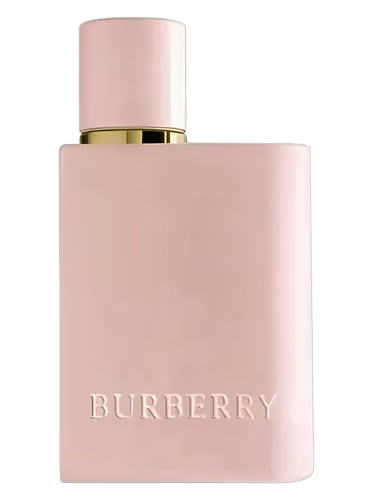
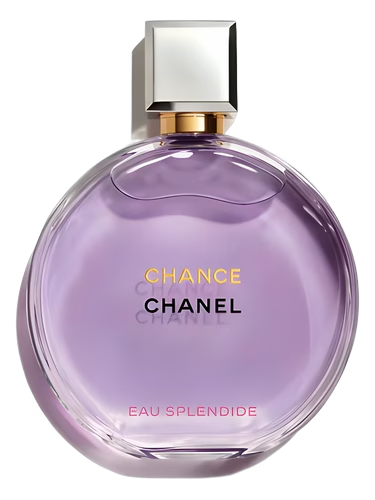
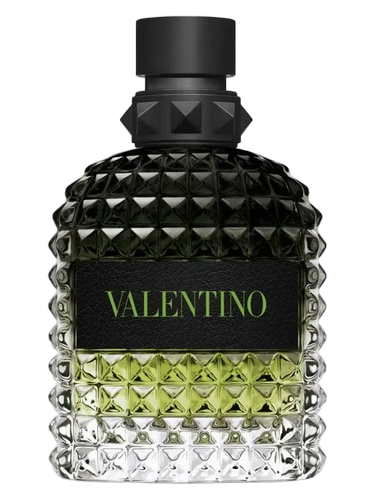
Most Popular Scents Using Dried Apple Crisp
What is Dried Apple Crisp?
Dried Apple Crisp is a gourmand fragrance note that captures the sweet, concentrated aroma of dried apple rings blended with warm, spicy facets of cinnamon and nutmeg.What does Dried Apple Crisp smell like?
It offers a comforting, buttery aroma with caramelized sweetness and a rich, slightly crunchy texture reminiscent of a baked dessert.Is Dried Apple Crisp a natural extract?
In perfumery, it is considered a "fantasy note" typically constructed using synthetic aroma chemicals and sugary esters to replicate the scent of a baked dish rather than a single extracted oil.What are some top perfumes featuring Dried Apple Crisp?
Notable fragrances include Somethin Special Apple Crisp, Bath & Body Works Bright Christmas Morning, Haus of Gloi Apple Milk, and Solstice Scents Corvin's Apple Fest.When is Dried Apple Crisp in season?
While the peak apple harvest occurs from late July through mid-November, the dehydrated profile allows this concentrated, cozy scent to be enjoyed in fragrances year-round.