Fragrance Notes Are Layers Of Scent That Are Layered To Form The Final Fragrance. Fragrance Notes Are Categorised Into Three Main Elements Based On How Long They Take To Evaporate, And How Long They Typically Last Following Application: Top Notes, Heart Notes And Base Notes.
Orange Cassia Tree
Orange Cassia Tree offers a warm, inviting, and intensely spicy-sweet profile, distinct from standard citrus. It features a pungent, long-lasting aroma with strong diffusion, often described as zesty and cozy. It provides a foundational warmth used in oriental, woody, and niche compositions.

Origin & Extraction Of Orange Cassia Tree
The history of the Orange Cassia Tree (also known as *Osmanthus fragrans* or Sweet Olive, although the name 'Orange Cassia Tree' often refers to a different aromatic component with spicy-sweet characteristics) as a distinct note in fine perfumery is relatively modern. Unlike foundational ingredients such as jasmine or rose, it was not a classical cornerstone in European fragrance traditions. Its rise in popularity is linked to the exploration of exotic and non-traditional aromatic profiles, particularly in the late 20th and 21st centuries. Perfumers began utilizing this note, which offers a warm, pungent, spicy-sweet profile, to introduce a complex, long-lasting warmth and zesty diffusion that distinguishes it from volatile citrus top notes.
In contemporary perfumery, the Orange Cassia Tree note serves a crucial function in oriental, woody, and niche compositions by acting as a powerful mid-note stabilizer, bridging bright openings with heavier, resinous bases like oud or amber. Its unique blend of spice and cozy sweetness provides depth and an exotic flair, making it appealing in unisex and masculine-leaning scents where sustained warmth and performance are desired. Its modern relevance lies in its versatility and ability to contribute a distinctive, enduring sillage, cementing its place in fragrances that prioritize complexity and longevity over simple, fleeting freshness.
Extraction Methods of Orange Cassia Tree
The extraction of essential oil from the orange cassia tree primarily involves the steam distillation of the bark, a process that captures its warm and spicy aromatic profile. Historically, this method dates back centuries, utilizing traditional stills where dried bark was chipped or crushed and subjected to boiling water or steam to release volatile oils. Other ancient techniques included maceration, where plant material was soaked in solvents to pull out flavor and scent components.
In modern production, the process has become highly specialized, utilizing stainless steel distillation chambers and automated controls for temperature and pressure to optimize purity and yield. Recent technological advancements have introduced microwave-assisted extraction and supercritical CO2 refining, which can improve oil yield by approximately 20% compared to traditional steam distillation. Additionally, innovative methods like steam explosion at high pressure are being developed to drastically shorten extraction times while preserving the delicate aromatic compounds of the citrus and spice elements.
The Orange Cassia Tree note, prized for its warm, intensely spicy-sweet profile, is a cherished component in oriental and niche perfumery, offering a long-lasting, cozy warmth distinct from traditional citrus. While not a classical cornerstone, its pungent, zesty diffusion allows it to provide a strong, foundational core in complex compositions. Perfumers often utilize this note to add depth and an exotic flair, making it popular in fragrances that lean into spicy and woody territories.
- One notable example showcasing the warm, spicy dimension of Orange Cassia Tree is Tom Ford's Shanghai Lily, where it contributes to the opulent, amber-floral heart, enhancing the oriental richness.
- Another important usage is found in certain private blends, such as Dior's Privee Collection fragrances, where the note is employed subtly to inject a unique, zesty brightness into denser oud or resinous bases, preventing them from becoming too heavy.
- The note also plays a starring role in the more avant-garde creations of brands like Comme des Garçons, lending an unexpected, warm spice that complements unconventional or metallic notes, creating an enveloping, modern scent profile.
In modern perfumery, the appeal of the Orange Cassia Tree lies in its versatility. It can bridge the gap between bright top notes and warm base notes, acting as a powerful mid-note stabilizer. This makes it particularly effective in unisex and masculine-leaning fragrances where a combination of spice, wood, and a hint of exotic sweetness is desired, often pairing beautifully with ingredients like sandalwood, patchouli, and black pepper for a deeply resonant finish.
The long-lasting nature and strong diffusion of the Orange Cassia Tree note ensure that the fragrance maintains a persistent, inviting sillage. This quality has cemented its place in contemporary niche scents that prioritize longevity and performance. Its unique blend of spice and citrus warmth continues to inspire perfumers looking to create distinctive, unforgettable oriental and woody fragrances that evoke an atmosphere of exotic luxury and comfort.
Sustainability Of Orange Cassia Tree
Sustainability of Orange Cassia Tree
- Promoting ethical sourcing and socio-economic empowerment by establishing long-term relationships with local artisans and farmers in mountainous regions to ensure sustainable livelihoods
- Adoption of organic farming practices that eliminate the use of synthetic pesticides and chemical fertilizers, protecting soil, water, and air quality
- Utilizing NOP-certified production standards to ensure rigorous oversight of organic handling and production processes
- Enhancing biodiversity and urban air quality by utilizing the tree in reforestation and green landscaping projects due to its high oxygen release and ability to thrive in degraded soils
- Supporting zero-waste principles by upcycling production by-products, such as using leftover plant material as natural fertilizer to recycle nutrients back into the soil
- Transitioning to eco-friendly manufacturing by utilizing bio-mordants and energy-efficient extraction methods to reduce the environmental footprint of processed derivatives
Trivia
Known as the golden shower tree, its seeds are dispersed in the wild by golden jackals that eat the fruit pods, while in Thailand, its yellow blossoms are a sacred symbol of royalty.
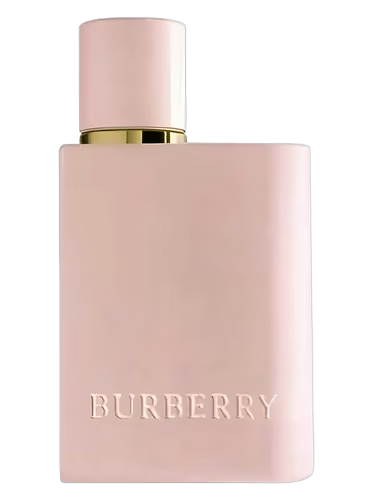
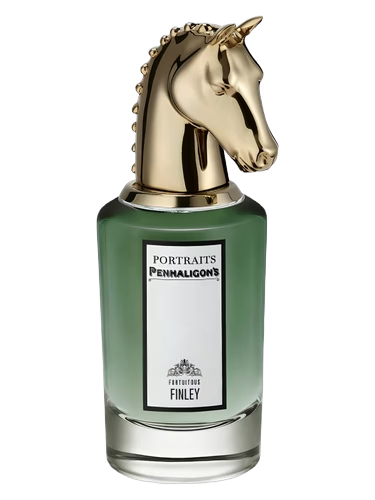
Most Popular Scents Using Orange Cassia Tree

What is Orange Cassia Tree?
Orange Cassia Tree refers to Cinnamomum cassia, an evergreen tree native to southern China and Southeast Asia, prized in perfumery for its warm, spicy-sweet aromatic bark.What does Orange Cassia Tree smell like?
It offers an intensely spicy-sweet and pungent profile with zesty, cozy warmth and strong diffusion, often serving as a bolder, sharper alternative to true cinnamon.How is Orange Cassia Tree essence extracted?
The essential oil is primarily obtained through steam distillation of the tree's bark, though modern techniques like supercritical CO2 extraction are also used to improve purity.What are some top perfumes featuring Orange Cassia Tree?
Notable fragrances include Tom Ford Shanghai Lily, Tamburins Bold Citrus, Alexandre.J Ode to Rose, and selections from the Dior Privee Collection.When is the Orange Cassia Tree in season?
The tree follows predictable seasonal cycles with significant blooming periods in the spring and autumn, with many varieties producing vibrant yellow flowers from September through early winter.