Fragrance Notes Are Layers Of Scent That Are Layered To Form The Final Fragrance. Fragrance Notes Are Categorised Into Three Main Elements Based On How Long They Take To Evaporate, And How Long They Typically Last Following Application: Top Notes, Heart Notes And Base Notes.
Pitanga
Pitanga offers a unique, exotic Brazilian profile. It is bright, fruity, and slightly hot/sweet, blending the tartness of red pitanga with sparkling nuances of tangerine and grapefruit. This invigorating aroma has a subtle sorrel-like herbaceous quality, making it juicy, uplifting, and complex.

Origin & Extraction Of Pitanga
Pitanga (Eugenia uniflora), also known as the Surinam Cherry, is native to the tropical regions of South America, particularly Brazil. Traditionally, it has been valued for its juicy fruit and aromatic leaves in local cuisine and folk medicine. Unlike classic European perfumery ingredients like Bergamot or Lemon, Pitanga did not feature prominently in historical fragrance structures such as Eau de Cologne. Its incorporation into fine fragrance is a relatively modern phenomenon, coinciding with a growing trend among perfumers in the late 20th and early 21st centuries to explore and utilize exotic, photorealistic, and authentic notes from global biodiversity, especially from the Amazonian region.
In contemporary perfumery, the Pitanga note is highly prized for its unique profile—a bright, complex blend of tart fruitiness, sparkling citrus (like tangerine and grapefruit), and a subtle green, herbaceous quality. Its popularity has been strongly driven by Brazilian cosmetic and fragrance houses, such as Natura, who focus on utilizing native botanical ingredients. Pitanga is often used to lend an invigorating, vibrant, and exotic top note to fresh and floral compositions, distinguishing them from traditional citrus-based scents and highlighting a sense of tropical vitality and modern freshness.
Extraction Methods of Pitanga
The extraction of essential oils and bioactive compounds from the pitanga (Eugenia uniflora) plant traditionally depends on the material used. Historically, volatile oils from the leaves were primarily obtained through hydrodistillation using a Clevenger-type apparatus, while the oil from the fruit and seeds was extracted through cold expression (cold pressing). Conventional methods also involve maceration in stirred vessels or Soxhlet extraction using solvents such as ethanol, n-hexane, or petroleum ether to recover phenolic and antioxidant compounds.
Recent developments in extraction technology focus on sustainability and enhanced purity. Modern methods include supercritical carbon dioxide (scCO2) extraction, which serves as a non-toxic, non-flammable alternative to organic solvents for isolating delicate molecules. Furthermore, ultrasound-assisted extraction (UAE) and microwave-assisted extraction have emerged as efficient techniques to maximize the yield of bioactive components while reducing processing time. Advanced processes like supercritical antisolvent fractionation (SAF) are also utilized to achieve high-value, selective fractionation of extracts by using scCO2 to precipitate specific components from hydroalcoholic solutions.
The Pitanga note, with its exotic, tart, and invigorating profile, is a relatively modern addition to mainstream perfumery, largely popularized by Brazilian cosmetic and fragrance houses. The most prominent example is the long-running line of fragrances from Natura, such as the Natura Colônia Ekos Deodorant Cologne Fresh Pitanga. These scents focus on capturing the vibrant, photorealistic essence of the fruit, blending its unique tartness with sparkling citrus facets to create an authentic sense of tropical vitality and freshness.
- The use of Pitanga often provides a juicy, slightly herbaceous top note that differentiates compositions from traditional Mediterranean citrus scents (like Bergamot or Lemon), appealing to consumers looking for an authentic and uplifting South American aroma.
Another related fragrance is FRESCOR DE PITANGA, which showcases Pitanga's bright, fruity nature. In this composition, the note is typically supported by other complementary materials such as jasmine, bergamot, and sandalwood to give the exotic fruit a clean, sophisticated base. This demonstrates Pitanga's versatility in blending with both fresh, zesty elements and softer, warm materials, proving it is more than just a fleeting top note.
- Pitanga is valued specifically for its complex blend of tart fruitiness, sparkling nuances (often tangerine and grapefruit), and subtle green undertones, which give it exceptional complexity for a fruity note.
While Pitanga may not have the historical weight of notes found in classic European perfumery, its increasing presence, especially in contemporary and niche fragrance lines, highlights a global trend toward incorporating unique, natural, and complex botanicals. Fragrances featuring Pitanga, whether specifically named or part of a tropical fruit accord, succeed in lending an exotic, bright, and cheerful burst that immediately transports the wearer to a warm, humid climate.
Sustainability Of Pitanga
Sustainability of Pitanga
- Advancing carbon sequestration and land restoration through large-scale afforestation projects on former grazing lands
- Implementing sustainable forest management certified by the Forest Stewardship Council (FSC) to protect biodiversity and wildlife habitats
- Supporting socio-economic resilience by generating high-quality employment and supporting education in rural communities
- Promoting a circular economy by upcycling pitanga seeds and leaf residues from the juice industry into natural antioxidants and functional food ingredients
- Adopting green extraction technologies, such as supercritical fluid extraction, to produce bioactive compounds with a lower environmental footprint
- Utilizing organic and best-practice farming principles to ensure long-term soil health and ecosystem services
Trivia
Pitanga is often called the cherry of the tropics, but it is so delicate that it cannot be commercially cultivated for fresh consumption because the ripe fruit is too fragile to survive packaging or transport.
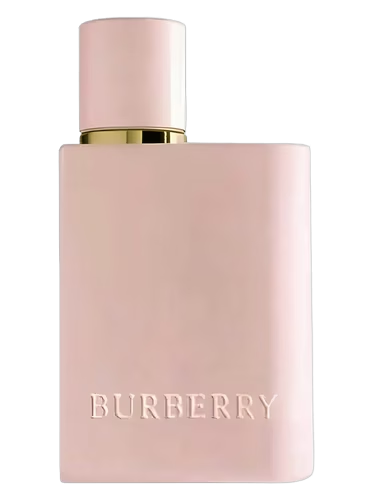
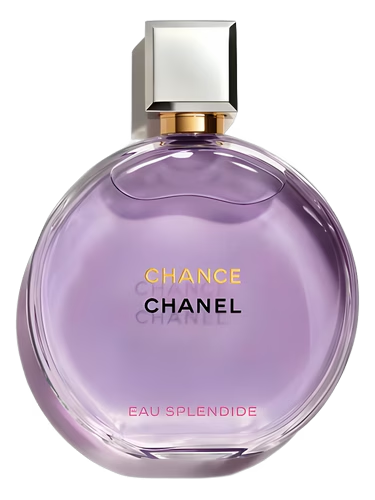
Most Popular Scents Using Pitanga

What is Pitanga?
Pitanga, also known as the Surinam Cherry, is a tropical fruit native to South America, particularly Brazil, valued in perfumery for its vibrant and exotic profile.What does Pitanga smell like?
It offers a unique, bright, and tart fruity aroma with sparkling citrus facets of tangerine and grapefruit, complemented by a subtle green, herbaceous undertone.How is Pitanga essence extracted?
The aromatic compounds are traditionally obtained through hydrodistillation of the leaves or cold expression of the fruit and seeds, with modern methods including supercritical CO2 extraction.What are some top perfumes featuring Pitanga?
Notable fragrances include Natura Frescor de Pitanga, Guerlain Aqua Allegoria Passiflora, L'Occitane Au Brésil Bafafá, and Victorio & Lucchino Energía Positiva.When is Pitanga in season?
In subtropical regions, it typically produces two main crops in spring and fall, while in tropical environments, it can bloom and fruit sporadically throughout the year.