Fragrance Notes Are Layers Of Scent That Are Layered To Form The Final Fragrance. Fragrance Notes Are Categorised Into Three Main Elements Based On How Long They Take To Evaporate, And How Long They Typically Last Following Application: Top Notes, Heart Notes And Base Notes.
Grapefruit
Fresh, tangy, and invigorating citrus note. It offers a lively, crisp, and slightly bitter aroma, often described as bright and juicy. White varieties are sharp and bitter; pink/red are sweeter and more sensual. It can have a complex, aromatic scent with a subtle, black currant-like undertone.
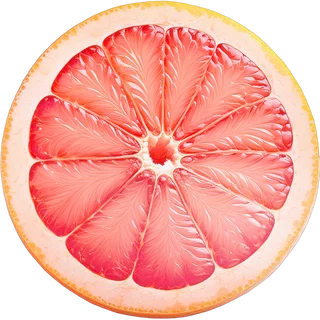
Origin & Extraction Of Grapefruit
While the grapefruit fruit itself was discovered later than traditional citruses like lemon and bergamot, its use in perfumery gained significant momentum in the 20th century, particularly after the refinement of essential oil extraction techniques. Before the 19th century, citrus notes in perfumery were dominated by ingredients crucial to Eau de Cologne. Grapefruit provided a refreshing, lively, and slightly bitter alternative, quickly establishing itself in modern fragrances, especially those aiming for a clean, energetic, and contemporary signature.
Today, Grapefruit is a staple, frequently serving as an invigorating top note, particularly in masculine and unisex fresh/aquatic compositions. Its characteristic crispness and subtle bitterness differentiate it from sweeter citruses, allowing it to cut through heavier base notes and provide a lasting sense of vitality. The use of different varieties, from the sharp white grapefruit to the sweeter pink/red type, allows perfumers to fine-tune the aromatic profile, whether they seek a stark, modern opening or a more sensual, complex freshness.
Extraction Methods of Grapefruit
The primary and preferred method for extracting grapefruit essential oil is cold expression, also known as cold pressing. This mechanical process involves rupturing the oil glands located in the flavedo (the colored outer layer of the peel) to release the volatile oils. Because citrus oils are highly sensitive to heat, which can degrade their delicate aromatic compounds and therapeutic properties, cold pressing is favored over steam distillation to preserve the bright, zesty, and tart scent characteristic of fresh grapefruit.
Historically, extraction was a labor-intensive manual process involving hand-sponging or simple mechanical pricking and scraping of the fruit rinds. Modern industrial production has evolved significantly, often utilizing large-scale mechanical extractors that can process whole fruits to simultaneously collect juice and essential oil. In these systems, the oil is expressed as an aqueous emulsion and then separated using high-speed centrifuges. This allows for high-volume production while maintaining the oil's chemical integrity by avoiding thermal stress.
Recent technological advancements have introduced more sophisticated refining and extraction techniques. Molecular distillation is now used to create concentrated or "light phase" oils under high vacuum and low temperatures, effectively removing heavier components or phototoxic furanocoumarins for safer use in cosmetics. Other emerging "green" methods include ultrasound-assisted extraction and twin-screw extrusion, which aim to increase yields and reduce energy consumption without the use of chemical solvents like hexane or acetone.
Grapefruit is a dynamic and essential note in modern perfumery, celebrated for its sparkling, slightly bitter, and invigorating freshness, making it a natural fit for contemporary masculine and unisex compositions. One of its most iconic uses is in the fragrance Terre d'Hermès, where its bright, mineral tang provides a luminous, bracing counterpoint to the fragrance's earthy, woody backbone. This use demonstrates grapefruit's ability to inject clarity and longevity into a composition, offering a sophisticated alternative to sweeter citrus notes.
- A key example highlighting grapefruit's zesty, clean quality is Acqua di Gioia by Giorgio Armani, where it contributes to the scent’s aquatic and refreshing top notes, providing an immediate burst of energy and vitality. It is equally prominent in lighter compositions like Jo Malone's Grapefruit Cologne, which showcases the note in its purest form, often combining it with vetiver or rosemary to enhance its crisp, aromatic aspects.
The versatility of grapefruit extends beyond traditional Eau de Colognes. When paired with richer notes, as seen in fragrances like Bleu de Chanel, it maintains a clean, uplifting presence while cutting through the heavier amber and incense, preventing the scent from becoming dense. In more niche offerings, such as Aventus by Creed, the grapefruit note blends seamlessly with blackcurrant and pineapple, lending a sharp, effervescent layer that contributes significantly to the fragrance's complexity and signature radiance.
Sustainability Of Grapefruit
Sustainability of Grapefruit
- Adopting precision agriculture and smart irrigation technologies, such as soil moisture sensors and microjets, to reduce water consumption by up to 68%
- Implementing zero-waste and circular economy initiatives by upcycling peel and pulp side-streams into essential oils, nutraceuticals, and functional food ingredients
- Utilizing integrated pest management and natural biological controls to minimize reliance on synthetic chemical pesticides
- Promoting soil health and carbon sequestration through the use of cover crops, organic mulching, and non-tillage farming practices
- Supporting social responsibility through third-party ethical certifications that ensure fair wages, safe working conditions, and community development programs
- Leveraging the natural carbon-fixing capabilities of grapefruit trees to mitigate the industry's environmental footprint
Trivia
The grapefruit was originally known as the "forbidden fruit" and is named for the way it grows in heavy, grape-like clusters of up to 25 fruits on a single branch.
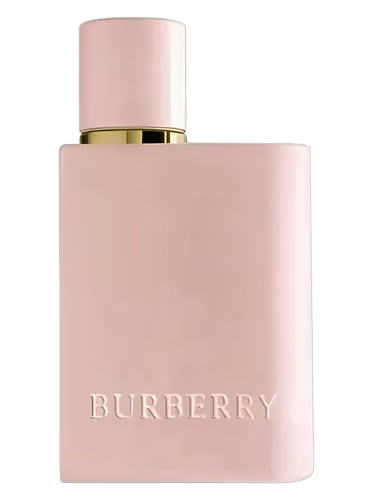
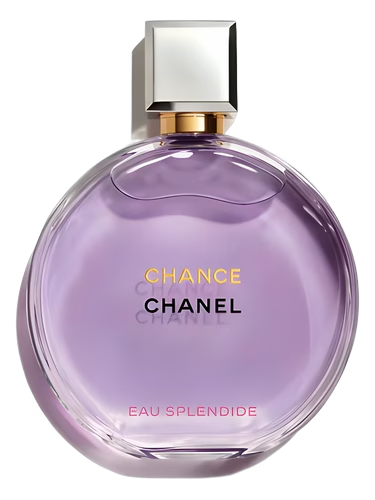
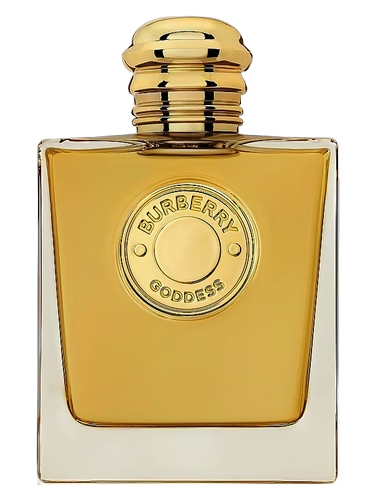
Most Popular Scents Using Grapefruit
What is grapefruit in perfumery?
Grapefruit is an invigorating citrus note originally discovered in Barbados, valued for its crisp, tangy, and slightly bitter aroma that provides a contemporary signature to modern fragrances.How is grapefruit essential oil extracted?
The oil is primarily extracted through cold expression of the fruit's peel, a mechanical process that ruptures oil glands in the rind to preserve the delicate, zesty aromatic compounds.What does grapefruit smell like?
It offers a lively and bright scent profile; white varieties are notably sharp and bitter, while pink and red varieties provide a sweeter, more sensual freshness with occasional berry-like undertones.What are some top perfumes featuring grapefruit?
Notable fragrances featuring this note include Terre d'Hermès, Jo Malone London Grapefruit, Hermes Eau de Pamplemousse Rose, and Guerlain Aqua Allegoria Pera Granita.When is grapefruit in season?
Grapefruit seasonality is defined by the winter and early spring months, with peak flavor and aromatic abundance typically occurring between January and March.