Fragrance Notes Are Layers Of Scent That Are Layered To Form The Final Fragrance. Fragrance Notes Are Categorised Into Three Main Elements Based On How Long They Take To Evaporate, And How Long They Typically Last Following Application: Top Notes, Heart Notes And Base Notes.
Coconut
Coconut offers a tropical, creamy, and nutty scent with pervasive sweetness and milky, vanilla-like nuances, evoking sun-warmed beaches. It's frequently used in gourmand, tropical, and oriental compositions to provide a soft, rich texture and a comforting, exotic warmth.

Origin & Extraction Of Coconut
The coconut (Cocos nucifera), native to tropical regions like Southeast Asia and the South Pacific, has a history spanning millennia. While the fruit itself has long been utilized across coastal cultures, its incorporation as a specific fragrance note in Western perfumery is more contemporary compared to classical ingredients. Early fragrance compositions that featured coconut aimed to evoke the essence of faraway, exotic places, capitalizing on its unique, creamy, and tropical aroma to satisfy a growing consumer desire for escapism and warmth.
In perfumery, the coconut note is prized for its versatility, offering a pervasive sweetness with milky, vanilla-like nuances. It gained significant traction particularly with the rise of gourmand and sun-tanning product scents in the 20th and 21st centuries. Today, coconut is frequently used to provide a rich, soft texture and comforting, exotic warmth in modern tropical, gourmand, and oriental compositions, maintaining its status as a key ingredient for creating beachy or decadent scent profiles.
Extraction Methods of Coconut
Historically, coconut oil was obtained through traditional wet-milling or solar drying of copra. In the wet-milling process, fresh coconut meat was grated and squeezed with water to produce coconut milk, which was then boiled to separate the oil from the water and solids. Alternatively, the "copra method" involved splitting coconuts with an axe and drying the meat over smoky fires or in simple kilns before using manual or basic mechanical presses to expel the oil. These traditional methods often resulted in a darker, more robustly flavored oil due to high heat exposure or fermentation.
Modern commercial extraction has evolved to prioritize nutrient retention and purity, primarily through cold pressing and centrifugal systems. In cold-press extraction, dried coconut (copra) or fresh kernels are processed using mechanical screw presses that maintain temperatures below 50°C (122°F) to preserve the oil's natural aroma and antioxidants. For high-grade Virgin Coconut Oil (VCO), advanced centrifugal extraction is used; this process involves spinning fresh coconut milk at high speeds (3,000–6,000 rpm) to rapidly separate the oil from water and proteins without any heat exposure. Other contemporary techniques include vacuum freeze-drying to prepare the meat for better oil release and enzymatic extraction, which uses specific compounds to break down cell walls and increase yield.
The coconut note experienced a massive surge in popularity during the late 20th and early 21st centuries, driven by the rise of "solar" and beach-inspired fragrances. One of the most defining uses of coconut is found in **Estée Lauder Bronze Goddess**, a scent that encapsulates the luxury and warmth of a tropical vacation. This fragrance uses coconut water and creamy milk notes to evoke the smell of sun-warmed skin and high-end suntan lotion, cementing its status as a summer essential and influencing countless subsequent tropical releases. The note is primarily utilized here to impart an instant sense of exotic warmth, creaminess, and escapism.
In modern niche and high-end designer perfumery, coconut is often paired with contrasting elements to lend complexity rather than simple tropical sweetness. **Virgin Island Water** by Creed is an excellent example, where the creamy coconut note is blended with crisp lime and white florals to create a sharp, breezy, and sophisticated cocktail scent. This composition showcases the versatility of coconut, proving it can be simultaneously rich and airy, moving beyond the traditional gourmand category to define a refined, fresh tropical aroma. It appeals to those seeking a bright, sophisticated beach experience.
The gourmand category frequently leverages the inherent sweetness and milky texture of coconut to create decadent and comforting compositions. For instance, in **Tom Ford Soleil Blanc**, the coconut note provides a luxurious, sweet, and somewhat floral undercurrent, enhancing the overall feeling of sun-drenched indulgence. When combined with vanilla, tonka, or white musk, as seen in many contemporary fragrances, coconut adds a lasting, creamy richness that helps anchor the volatile top notes, ensuring the exotic warmth of the composition endures on the skin.
Sustainability Of Coconut
Sustainability of Coconut
- Utilizing every part of the coconut palm—from the roots to the fronds—to ensure zero-waste production for food, fiber, fuel, and shelter
- Growing preference for fractionated coconut oil as a natural, plant-based, and biodegradable carrier oil compared to synthetic alternatives
- Shift towards ethical and transparent supply chains by sourcing from responsibly managed farms that support local communities in major producing regions like the Philippines and Indonesia
- Increasing industry demand for natural coconut extracts and CO2-derived essences to reduce the environmental footprint associated with synthetic chemical manufacturing
- Implementation of sustainable agricultural practices to protect tropical coastal ecosystems where coconut palms serve as vital stabilizers for soil and local biodiversity
Trivia
In Bali, women were traditionally forbidden from touching coconut trees out of fear that the trees' immense fertility might steal their own.
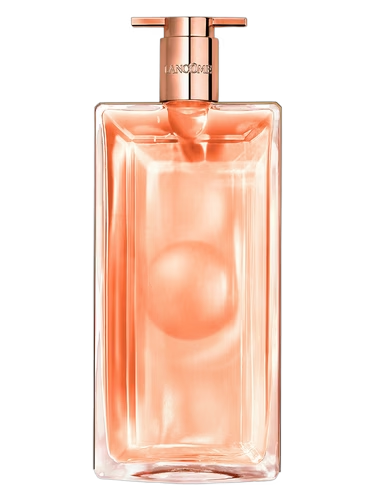
Most Popular Scents Using Coconut


What is Coconut?
Coconut is a tropical fruit native to Southeast Asia and the South Pacific, used in perfumery as a versatile note to create beachy, gourmand, or oriental scent profiles.What does Coconut smell like?
It possesses a tropical, creamy, and nutty profile with pervasive sweetness and milky, vanilla-like nuances that provide a comforting and exotic warmth.How is Coconut essence extracted?
The essence is primarily obtained through cold pressing of dried copra or advanced centrifugal extraction of fresh coconut milk to preserve its natural aromatic compounds.What are some top perfumes featuring Coconut?
Top fragrances include Tom Ford Soleil Blanc, Maison Margiela Replica Beach Walk, Creed Virgin Island Water, and Ariana Grande Cloud.When is Coconut in season?
Coconut palms bloom and bear fruit year-round in tropical climates, with peak yields typically occurring during the dry seasons of major producing countries.