Fragrance Notes Are Layers Of Scent That Are Layered To Form The Final Fragrance. Fragrance Notes Are Categorised Into Three Main Elements Based On How Long They Take To Evaporate, And How Long They Typically Last Following Application: Top Notes, Heart Notes And Base Notes.
Papaya
Papaya presents a distinctive tropical fruit profile, characterized by a creamy, sweet, and juicy aroma. It combines the lushness of ripe fruit with subtle lactonic and fresh, melon-like nuances. This profile is utilized as a top-to-heart note to enhance exotic and summery fragrance structures, lending a vibrant yet soft sweetness.

Origin & Extraction Of Papaya
Papaya (Carica papaya) is native to Central America and Southern Mexico, and its cultivation spread across the tropical world centuries ago due to its delicious fruit and medicinal properties. In perfumery, however, the Papaya note is a relatively recent addition. Traditional Western perfumery largely focused on classic floral, resinous, and citrus notes. The emergence of 'exotic' and 'tropical' fragrance categories in the late 20th century created a demand for notes that could evoke lush, sun-drenched environments, which paved the way for Papaya's incorporation.
As a fragrance component, Papaya is prized for its ability to deliver a creamy, juicy, and subtly sweet tropical accent without the heavy acidity of many citrus fruits, making it an excellent top-to-heart note. Its profile, which often features lactonic and melon-like nuances, is synthesized or extracted to capture the fruit's ripe lushness. Today, the Papaya note is utilized primarily in contemporary designer and niche fragrances aimed at creating vibrant, uplifting, and summery compositions, often paired with other exotic fruits, white florals, or light musks.
Extraction Methods of Papaya
Historically, papaya extracts and compounds were obtained through simple conventional techniques such as boiling, maceration, and sun-drying. One of the most traditional methods involves "tapping" the live, unripe fruit to collect latex, which is then dried into flakes to produce papain. This labor-intensive process requires making shallow longitudinal cuts on the fruit's skin early in the morning to allow the milky sap to bleed into collection vessels. For seeds, traditional methods include simple cleaning, drying, and grinding into powders or steeping crushed seeds in alcohol (ethanol) or water for several weeks to create tinctures and infusions.
Modern extraction has evolved to include highly efficient mechanical and chemical processes designed to maximize yield and preserve delicate bioactive compounds. Papaya seed oil is primarily produced through cold pressing or solvent extraction (using n-hexane or ethanol) followed by centrifugation and refining to remove odors. Advanced non-conventional techniques now utilized in industrial and laboratory settings include ultrasonic-assisted extraction (UAE), microwave-assisted extraction (MAE), and supercritical CO2 extraction. These latest methods offer faster extraction times and higher purity of phytochemicals like polyphenols and flavonoids while reducing energy consumption and environmental impact.
The Papaya note, cherished for its creamy, juicy, and subtly sweet tropical profile, is primarily featured in modern compositions designed to evoke sunny, exotic, and uplifting moods. Because it lacks the heavy acidity of traditional citruses, it serves as an excellent top-to-heart note, lending a vibrant yet soft sweetness that is essential in contemporary fruity-floral and aquatic fragrances. Its use reflects a 20th and 21st-century trend towards incorporating lush, gourmand-adjacent tropical accents.
- One of the most popular and iconic uses of the Papaya note is in the annual summer limited editions from Escada. For example, in Escada - Taj Sunset, the Papaya note is combined with mango and sandalwood to create a vibrant, fruity-floral fragrance that perfectly captures the essence of a tropical holiday and is a classic example of a beach-inspired scent.
Beyond playful summer scents, Papaya is also employed in more sophisticated and daring compositions to add unexpected juiciness and a modern edge. Its soft, lactonic nuances can smooth the transition between sparkling top notes and deeper bases. For instance, the inclusion of Papaya in a fragrance like Gucci - Guilty Black provides a flash of tropical, slightly sweet brightness that contrasts beautifully with darker notes such as pink pepper and patchouli, adding complexity and a contemporary, seductive twist to the blend.
Sustainability Of Papaya
Sustainability of Papaya
- Promoting a circular economy by upcycling fruit processing waste, such as seeds and peels, into high-value oils and biodegradable paper products
- Adopting cold-pressed extraction methods for seed oil to ensure purity and nutrient retention without the use of chemical solvents
- Implementing clean beauty standards by formulating fragrances without parabens, phthalates, sulfates, or known carcinogens
- Utilizing eco-conscious packaging solutions including recyclable glass bottles, paper-based boxes, and biodegradable materials to reduce plastic waste
- Supporting local socio-economic resilience by sourcing from regional farmers and utilizing indigenous plants for sustainable product development
Trivia
Christopher Columbus was so impressed by the papaya when he encountered it in the Americas in 1502 that he famously called it the "fruit of the angels."
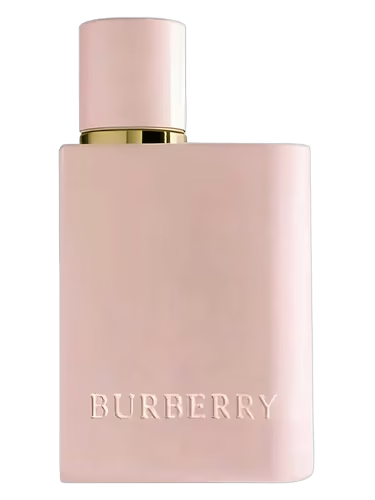
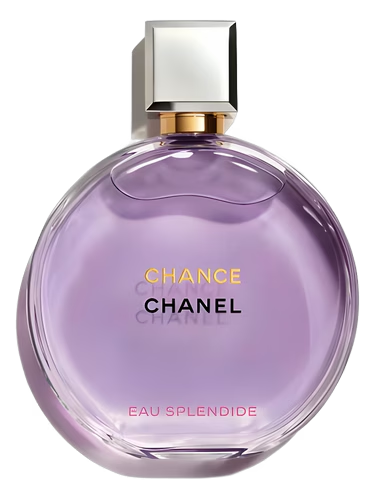
Most Popular Scents Using Papaya

What is Papaya?
Papaya is a tropical fruit native to Central America and Southern Mexico, used in modern perfumery to add creamy, sweet, and juicy accents to exotic and summery fragrance compositions.What does Papaya smell like?
It features a distinctive tropical profile characterized by a lush, sweet aroma with subtle lactonic (creamy) and fresh, melon-like nuances.How is Papaya essence extracted?
In modern production, papaya seed oil is typically obtained through cold pressing or solvent extraction, while advanced methods like supercritical CO2 extraction are used to preserve delicate compounds.What are some top perfumes featuring Papaya?
Popular fragrances containing papaya notes include Escada Taj Sunset, Calvin Klein CK One, Dolce & Gabbana Dolce, and Paris Hilton Rosé Rush.When is Papaya in season?
Papayas are generally available year-round in tropical climates, with peak supply and quality often occurring during the summer and autumn months.