Fragrance Notes Are Layers Of Scent That Are Layered To Form The Final Fragrance. Fragrance Notes Are Categorised Into Three Main Elements Based On How Long They Take To Evaporate, And How Long They Typically Last Following Application: Top Notes, Heart Notes And Base Notes.
Malt
Malt offers a rich, comforting gourmand aroma, deeply sweet and cereal-like. It features warm, nutty undertones reminiscent of toasted grain and caramel, often with nuances of brown sugar, honey, and subtle coffee or butterscotch. This note adds a unique bready, slightly alcoholic depth and texture to a composition.

Origin & Extraction Of Malt
Malt, derived from germinated and dried cereal grains (most often barley), has a history rooted in brewing and culinary arts, but its presence in perfumery is relatively modern. The use of traditional grain notes, associated with warmth, earthiness, and fermentation, became more prominent with the rise of the gourmand fragrance category in the late 20th and early 21st centuries. Perfumers began to explore malt as an ingredient capable of adding unique texture and depth—a rich, comforting sweetness that suggests toasted cereals, caramel, and a subtle, bready depth, distinguishing it from simpler vanilla or sugar notes.
In contemporary perfumery, Malt is primarily utilized in high-end niche and designer fragrances to lend a sophisticated, sometimes boozy or slightly smoky, gourmand facet. It functions as a hearty bridge between lighter top notes and deeper, warmer base notes like amber, wood, and coffee. This note is valued for its ability to convey a sense of comfort and indulgent richness, adding complexity and a distinctive, velvety sweetness, particularly in oriental, spicy, and true gourmand compositions.
Extraction Methods of Malt
The extraction of malt essence begins with the malting process, where cereal grains, primarily barley, are soaked in water to trigger germination. Historically, this was performed using traditional floor malting, where grain was spread 8 to 12 centimeters deep and manually turned for several days. Once the enzymes within the grain began converting starches into sugars, the process was halted by drying the "green malt" in a kiln using hot air or smoke. Modern industrial production has replaced this with pneumatic plants that use large fans and automated systems to manage much larger batches with greater precision.
In the subsequent extraction phase, the malted grains are milled or cracked to expose their starches and then mixed with hot water in a process called mashing. During this stage, activated enzymes break down the remaining starches into fermentable sugars, creating a sweet liquid known as wort. Historically, this wort was collected through simple straining or manual rinsing. Today, advanced techniques such as sparging and lautering are used to efficiently rinse the sugars from the grain bed. The final extract is produced by concentrating the wort using vacuum evaporation to remove water at low temperatures, which preserves delicate flavors and prevents the darkening that occurred with older open-boiling methods. The result is either a thick liquid malt extract (LME) or, if further dehydrated via spray drying or centrifuging, a fine dry malt extract (DME).
The Malt note is frequently utilized in the niche and designer fragrance world to impart a rich, gourmand, and often boozy texture, moving beyond simple sweetness. A foundational modern example of this is A*Men Pure Malt by Mugler, which famously showcased the dark, whiskey-like quality of malted barley, intertwining it with patchouli and tar for a smoky, sophisticated, and deeply addictive masculine gourmand scent that achieved cult status.
- Other notable fragrances that highlight the depth of the malt note include Dama Bianca by Xerjoff, which uses the cereal sweetness of malt to ground a luminous, soft floral composition, and Mirabile by V Canto, where malt contributes to a warm, nutty gourmand accord.
The contemporary niche market has continued to explore malt's comforting, bready, and sometimes smoky facets, often pairing it with deep, resinous, or coffee notes to enhance the gourmand profile. Newer releases like Toskovat's Last Birthday Cake and Jorum Studio's Unspoken Gesture demonstrate the ingredient's versatility, using it to evoke specific memories of comfort, sweetness, and warmth, appealing to consumers looking for unique, textural scents that stand out in the crowded fragrance landscape.
- Malt also plays a role in fragrances that aim to capture the essence of alcoholic beverages, such as The Dua Brand's Poseidon's Private Reserve : Whiskey, where the roasted barley element of malt is crucial to replicating the rich, barrel-aged complexity of whiskey.
Finally, the growing interest in artisanal and independent perfumery has led to creative interpretations of malt. Houses like Stora Skuggan, with Mistpouffer, incorporate the note to add a rustic, earthy, and slightly smoky dimension, reflecting the natural, cereal origin of the ingredient. This positioning demonstrates malt's capacity not only for rich gourmands but also for complex, atmospheric, and unique compositions that bridge the gap between food, nature, and fine fragrance.
Sustainability Of Malt
Sustainability of Malt
- Promoting regenerative agricultural practices to improve soil health, sequester carbon, and increase biodiversity in barley and wheat farming
- Reducing Scope 3 emissions for breweries and distilleries by optimizing the carbon footprint of malt production and grain origination
- Improving resource efficiency through the adoption of technologies that reduce water and energy consumption during the steeping, germination, and kilning processes
- Innovating with eco-friendly alternatives such as Green Malt, which eliminates the energy-intensive kilning stage to significantly lower carbon emissions
- Supporting local agricultural communities and enhancing supply chain transparency through direct partnerships with farmers and third-party sustainability verification
- Developing climate-smart alliances and certified programs to monitor, report, and verify environmental outcomes across the value chain
Trivia
Malt was originally developed in the 14th century as a medicinal method to preserve the healing properties of citrus peels for long sea voyages.
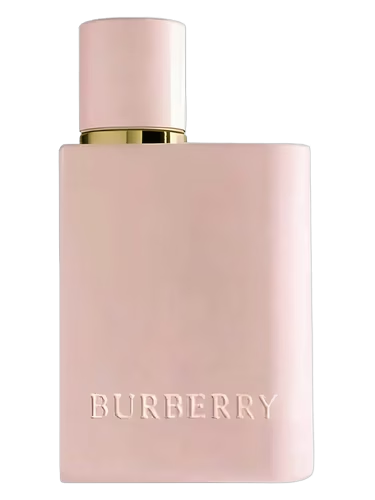
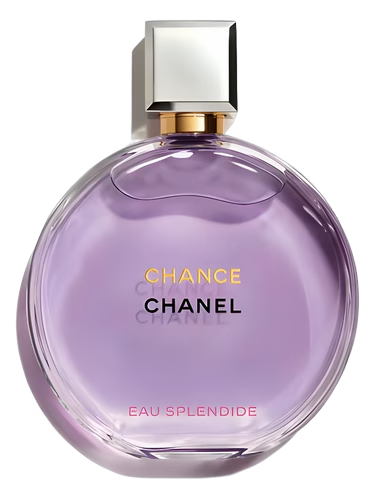
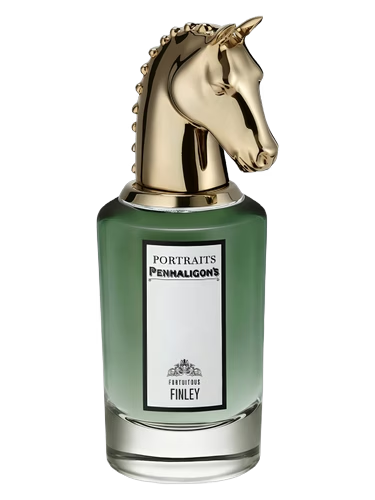
Most Popular Scents Using Malt
What is Malt?
Malt is a fragrance note derived from germinated and dried cereal grains, primarily barley, known for adding rich, comforting, and bready depth to perfumes.What does Malt smell like?
It offers a sweet, cereal-like aroma with warm, nutty undertones of toasted grain, caramel, and honey, often providing a boozy or smoky facet.How is Malt essence extracted?
Malt is obtained through a mashing process where germinated grains are soaked in hot water to create a sweet liquid called wort, which is then concentrated or dehydrated.What are some top perfumes featuring Malt?
Notable fragrances include Mugler A*Men Pure Malt, Akro Malt, Kilian Paris Single Malt, and Xerjoff Casamorati Dama Bianca.When is Malt in season?
Malt seasonality is tied to the harvest of barley, with winter varieties harvested in mid-summer and spring varieties harvested in late summer or early autumn.