Fragrance Notes Are Layers Of Scent That Are Layered To Form The Final Fragrance. Fragrance Notes Are Categorised Into Three Main Elements Based On How Long They Take To Evaporate, And How Long They Typically Last Following Application: Top Notes, Heart Notes And Base Notes.
Akebia fruit
A tropical, fresh fruit scent, Akebia fruit is reminiscent of lychee and passionfruit in its taste and aroma. It offers a light and airy fruity accord often described as a pleasant, fresh body spray note in perfumery.
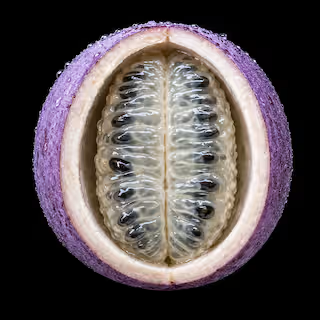
Origin & Extraction Of Akebia fruit
As a relatively novel and exotic note in contemporary perfumery, Akebia fruit—with its tropical, airy, and fresh scent reminiscent of lychee and passionfruit—does not yet anchor many mainstream historical masterpieces. Instead, it is typically employed in niche and modern compositions designed to evoke light, youthful freshness or an exotic, summery vibe. Its use suggests a forward-thinking approach by perfumers keen to incorporate unique, less common fruity accords that stand apart from traditional citrus or berry notes.
The rise of Akebia fruit underscores a broader trend in perfumery towards exploring ingredients from lesser-known botanical sources to provide unique texture and freshness. Its subtle yet recognizable profile provides a sophisticated twist to fresh and fruity genres, signaling a quiet revolution in the development of lightweight, modern accords that prioritize transparency and natural-smelling fruit notes over synthetic intensity.
Extraction Methods of Akebia Fruit
The primary method for extracting the essence and active compounds of Akebia fruit involves solvent extraction, typically using ethanol or methanol. For culinary and traditional purposes, the sweet gelatinous pulp is historically separated from the numerous bitter seeds through manual sieving or by stirring the pulp with a small volume of water. The seeds themselves are a source of edible oil, which is traditionally obtained using mechanical oil presses to yield a vegetable oil suitable for cooking.
Modern extraction techniques have advanced to improve efficiency and preserve the fruit's bioactive properties. Recent methods include microwave-assisted extraction (MAE), which uses electromagnetic fields to accelerate the release of antioxidants and phenolics from the pericarp. Additionally, scientific research utilizes reflux extraction with alcohol followed by rotary vacuum evaporation and lyophilization (freeze-drying) to create stable, concentrated extracts. Innovative bioconversion processes using microorganism-derived enzymes are also being explored to enhance the therapeutic efficacy of Akebia fruit extracts for pharmaceutical applications.
As a relatively new and exotic note in perfumery, Akebia fruit is often used in contemporary compositions to provide a light, airy, and tropical fruitiness reminiscent of lychee or passionfruit, appealing to modern tastes for fresh, vibrant scents. Because of its delicate and transient nature, it is typically featured as an invigorating top note to create an immediate impression of juicy sweetness and freshness.
- While not historically prominent, Akebia fruit has recently gained attention in niche and designer lines focused on modern, transparent, and youthful fragrances. For example, the note is featured in the development of certain fresh, fruity-floral compositions, such as those from the house of Kenzo, like a limited edition of a flanker for **Kenzo Amour**, or certain airy Escada summer releases, even though it might not be a headline ingredient.
The ethereal, fresh-body-spray quality of Akebia fruit is particularly valued in Asian-inspired or aquatic fragrances. Its lightness helps prevent the composition from becoming heavy or overly sweet. A prime example in which this exotic freshness is sought after is in the light, youthful scents from brands like **L'Occitane** or certain phases of the **Jo Malone London** fruit collections, where bright, realistic fruit accords are prioritized for a clean and refreshing wear.
Sustainability Of Akebia fruit
Sustainability of Akebia Fruit
- Managing and controlling its spread to prevent the out-competing of native plant species and the formation of monocultures that reduce local biodiversity
- Promoting the replacement of akebia with non-invasive native vines like Trumpet honeysuckle or Dutchman's pipe in residential and commercial landscaping
- Exploring its potential as a high-value edible fruit crop in its native range to support sustainable agricultural development and rural economies
- Utilizing physical and mechanical removal methods, such as hand-pulling and digging, to reduce reliance on chemical herbicides for small-scale control
- Adopting long-term monitoring and site restoration practices, including replanting with local native species, to ensure ecosystem recovery
Trivia
The Akebia fruit is often called a fruit and vegetable in one; while its inner white pulp is sweet and gelatinous, its purple outer rind is traditionally fried or stuffed and eaten as a savory vegetable in Japan.
Most Popular Scents Using Akebia fruit
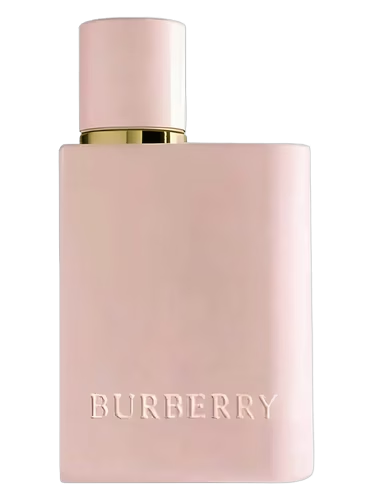
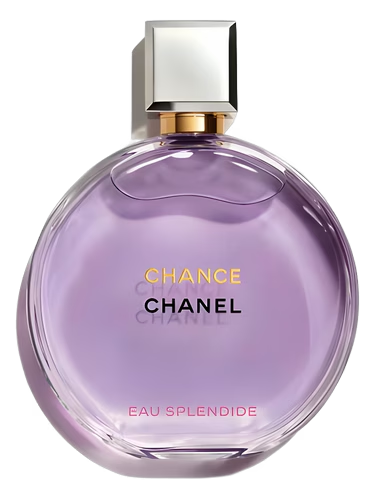
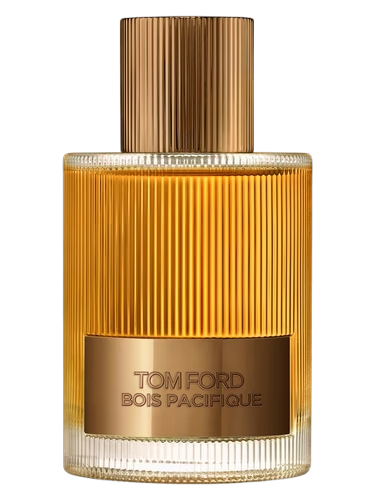
What is Akebia fruit?
Akebia fruit, also known as the chocolate vine, is an exotic, tropical fruit native to East Asia that is used in modern perfumery to create light, airy, and fresh fruity accords.What does Akebia fruit smell like?
It possesses a bright, tropical scent reminiscent of lychee and passionfruit, often described as a transparent and refreshing "fresh body spray" note.How is Akebia fruit essence extracted?
The aromatic compounds are primarily obtained through distillation or solvent extraction, with modern techniques like microwave-assisted extraction used to preserve its delicate profile.What are some top perfumes featuring Akebia fruit?
A notable fragrance featuring this note is Faberlic Kaori Zen, and it is frequently used in modern, youthful compositions from houses like Kenzo and Jo Malone London.When is Akebia fruit in season?
While the plant produces chocolate-scented blossoms in the spring, the fruit itself reaches its aromatic peak and is harvested from late summer through early autumn, typically between September and November.