Fragrance Notes Are Layers Of Scent That Are Layered To Form The Final Fragrance. Fragrance Notes Are Categorised Into Three Main Elements Based On How Long They Take To Evaporate, And How Long They Typically Last Following Application: Top Notes, Heart Notes And Base Notes.
Tropicalone
Tropicalone offers the scent of exotic tropical fruits, including yellow passion fruit (lilikoi), pineapple, red fruits, mangosteen, and pitahaya. This profile features a vibrant, sweet, and slightly tart fruity burst, complemented by natural creamy and milky undertones for a luscious, complex tropical feel.

Origin & Extraction Of Tropicalone
Tropicalone is not a single natural ingredient but a synthetic aroma chemical or accord designed to capture the complex, luscious scent of various exotic tropical fruits (such as passion fruit, pineapple, and mangosteen) in a stable and versatile manner. Unlike traditional perfume notes derived from European sources like citrus and rose, which have histories dating back centuries, Tropicalone's relevance in perfumery is entirely modern, emerging with the rise of specialized aroma chemistry in the late 20th and 21st centuries. Its creation was driven by the demand for hyper-realistic, vivid, and long-lasting fruit notes that natural extracts often fail to provide.
The significance of Tropicalone lies in its ability to inject a sense of vibrant, creamy, and complex exoticism into contemporary fragrances, particularly in the growing market for tropical, fruity, and gourmand compositions. It provides perfumers with a reliable tool to build rich, photorealistic tropical accords, moving beyond simple, volatile fruit notes. Its use often indicates a modern fragrance seeking a bold, vacation-like feel, and it plays a vital role in ensuring that these complex tropical openings remain luminous and enduring through the heart of the perfume.
Extraction Methods of Tropicalone
Tropicalone is a fully synthetic molecule produced through biological synthesis, specifically the enzymatic lactonization of castor oil derivatives. Historically, the extraction of similar lactone compounds involved conventional solid-liquid procedures like maceration or Soxhlet extraction using organic solvents, which were often less selective. Traditional chemical synthesis pathways for these molecules also relied on the pyrolysis of ricinoleic acid to produce undecylenic acid as a precursor.
Modern production of Tropicalone utilizes advanced biotechnology to achieve high stereoselectivity, ensuring the (S)-enantiomer is prioritized for its potent pineapple and passion fruit character. This latest method employs specific microbial strains, such as those from the genera Syncephalastratum or Mortierella, to catalyze the hydroxylation and subsequent lactonization of fatty acid substrates. Because it is derived from a bio-based feedstock like castor oil, Tropicalone is considered a partially renewable and "clean" synthetic ingredient in contemporary perfumery.
Tropicalone is prized in modern perfumery for its ability to deliver a vibrant, high-impact tropical fruit accord that is both luminous and long-lasting, moving beyond the volatility of natural fruit extracts. While often used as a proprietary component in larger, complex tropical blends, its scent profile—passion fruit, pineapple, and creamy undertones—is strongly suggested in fragrances that define the modern fruity-exotic genre, such as certain flankers of the popular **Escada** summer collections.
- This note allows perfumers to achieve a complex, photo-realistic tropical feel, essential for compositions aiming for a vacation-like atmosphere.
In contemporary niche perfumery, where creators seek hyper-realistic and intense fruit impressions, the profile embodied by Tropicalone is critical. For instance, its luscious, creamy characteristics are reminiscent of the bold opening in fragrances like **Mancera Coco Vanille** or the highly fruity aspects of some **Tiziana Terenzi** tropical offerings, where a robust, sweet, and slightly milky fruit cocktail is the central focus.
- The note is particularly effective in gourmand compositions, where the creamy, milky undertones enhance the delectable quality of the tropical fruits, providing depth often missing from standard fruit notes.
While the specific use of the chemical name Tropicalone is often undisclosed by major houses, its influence on the tropical fragrance market is clear. It provides the complex, multi-faceted exotic sweetness found in modern masterpieces like **Kilian Moonlight in Heaven**, allowing the fruity opening to persist beautifully, contrasting the rice and vetiver heart and ensuring the fragrance retains its vibrant, exotic character throughout its wear.
Sustainability Of Tropicalone
Sustainability of Tropicalone
- Utilizing eco-conscious biotechnological production processes that involve natural fermentation with wild strains of bacteria to minimize environmental impact
- Reducing the carbon footprint of manufacturing by implementing techniques that require minimal heating during the production cycle
- Eliminating the use of petrochemical solvents in the extraction and synthesis process to ensure a cleaner and more sustainable ingredient profile
- Adopting next-generation natural molecules derived from natural fatty acids, providing a sustainable alternative to traditional fragrance components
- Ensuring high stability and purity levels of over 98%, which increases efficiency and reduces waste across multiple fragrance and flavor applications
Trivia
Tropicalone is a synthetic captive molecule developed by the fragrance house MANE that uniquely replicates the scent of exotic fruits like passion fruit and mangosteen with a distinctively natural, creamy, and milky undertone.
Most Popular Scents Using Tropicalone


What is Tropicalone?
Tropicalone is a synthetic captive molecule developed by the fragrance house MANE designed to replicate the luscious scent of exotic fruits like passion fruit and mangosteen.What does Tropicalone smell like?
It offers a vibrant, sweet, and slightly tart fruity aroma featuring notes of pineapple and lilikoi, complemented by natural creamy and milky undertones.How is Tropicalone produced?
It is a synthetic molecule created through advanced biotechnology and enzymatic lactonization of bio-based feedstocks like castor oil.What are some top perfumes featuring Tropicalone?
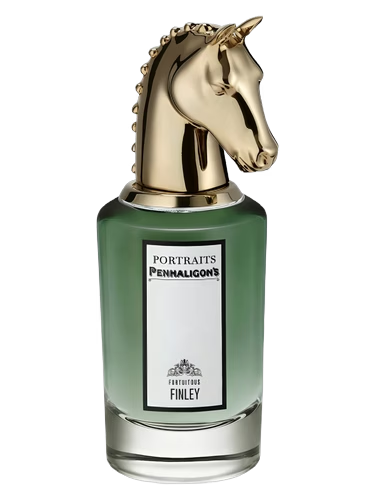
A notable fragrance featuring this specific note is Gentleman's Nod Sidama, though its profile is common in modern tropical and gourmand compositions.Is Tropicalone a sustainable ingredient?
Yes, it is considered a clean and partially renewable ingredient as it is produced using eco-conscious fermentation processes and natural fatty acids without petrochemical solvents.