Fragrance Notes Are Layers Of Scent That Are Layered To Form The Final Fragrance. Fragrance Notes Are Categorised Into Three Main Elements Based On How Long They Take To Evaporate, And How Long They Typically Last Following Application: Top Notes, Heart Notes And Base Notes.
Artichoke
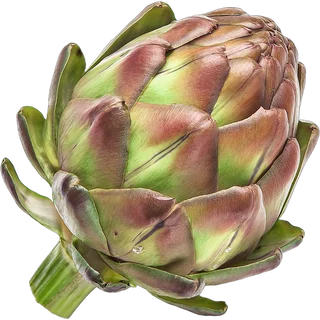
Artichoke presents a unique vegetable profile in perfumery, characterized by a fleshy, slightly bitter, and fatty nuance. It features prominent green and earthy facets, reminiscent of fresh vegetation and damp soil. The overall impression is complex, sometimes incorporating a subtle sweetness and a hint of warmth, lending depth to compositions.
Origin & Extraction Of Artichoke
As a non-traditional perfume ingredient, the artichoke (Cynara cardunculus) does not possess a long or established history in mainstream perfumery like citrus, floral, or resinous notes. Its use is a modern phenomenon, emerging primarily within the niche and avant-garde fragrance sectors beginning in the late 20th and early 21st centuries. Perfumers began exploring vegetal, savory, and even "difficult" notes to achieve greater realism and complexity, moving away from purely aesthetic scents toward conceptual fragrance design. Artichoke's unique profile—fleshy, green, slightly bitter, and earthy—offered a challenging yet rewarding facet for this experimental movement.
The note is seldom used as a central theme, but rather as an intellectual or textural element. Its purpose is typically to anchor a composition with an earthy, mineral-like greenness, providing a sharp contrast to sweeter or more volatile top and heart notes. The artichoke note symbolizes an interest in capturing the 'raw' botanical world and has been incorporated by brands known for their unconventional approach, such as Comme des Garçons, to create fragrances that feel grounded and distinct from conventional mass-market offerings.
Extraction Methods of Artichoke
Historically, artichoke compounds were obtained through traditional maceration and simple water extraction. These conventional techniques often involved soaking dried or fresh leaves and stems in water or organic solvents like ethanol and methanol for extended periods. Historically, the plant’s edible parts were primarily processed for culinary use through manual cleaning, which involved trimming the thorny tips and removing the fibrous outer layers to reach the heart, while the vast majority of the biomass—including leaves, stalks, and roots—was discarded as agricultural waste.
Modern extraction has shifted toward high-efficiency "green" technologies designed to repurpose industrial by-products and maximize the yield of bioactive compounds like cynarin and chlorogenic acid. Current standard methods include microwave-assisted extraction (MAE) and ultrasound-assisted extraction (UAE), which use electromagnetic energy or sound waves to rapidly disrupt plant cell walls, significantly reducing extraction time and solvent use. Other advanced techniques include supercritical fluid extraction using carbon dioxide to produce high-purity extracts without toxic residues, and enzyme-assisted extraction (EAE) to further enhance the release of therapeutic phytochemicals for use in the pharmaceutical and nutraceutical industries.
While the Artichoke note is considered rare and avant-garde in mainstream perfumery, it is used by niche brands to introduce an unexpected green, slightly bitter, and earthy complexity. This note is often employed to push boundaries beyond traditional floral or citrus compositions, appealing to those seeking an unconventional aromatic signature.
One of the most notable fragrances to utilize artichoke is **Eau de Campagne** by Sisley. Although not featuring the note centrally, this classic green scent subtly uses vegetal notes, including artichoke facets, to create a sprawling, fresh, and slightly mossy profile, evoking the scent of a country garden. Additionally, some modern artisanal houses incorporate this specific green bitterness for structural depth, such as:
- **Aetheroxyde** by Aether, which reportedly uses a synthetic element to capture the sharp, earthy greenness often associated with the Artichoke heart.
- **La Folie A Plusieurs** by CB I Hate Perfume, which is known for its hyper-realistic, experimental compositions, sometimes incorporating vegetal nuances that verge on the Artichoke's unique bitterness.
The successful integration of Artichoke relies on its ability to bridge sharp, green top notes with earthy, sometimes woody or chypre bases, offering a sophisticated vegetal twist that is far from typically "pretty." This note contributes to the fragrance's complexity, ensuring a signature that is distinctive, long-lasting, and intellectually intriguing.
Sustainability Of Artichoke
Sustainability of Artichoke
- Promoting a circular economy by upcycling agri-food side-streams, such as bracts, stems, and leaves, which can account for up to 80% of the plant's weight and would otherwise be discarded as waste
- Utilizing green extraction technologies like ultrasound-assisted extraction (UAE) and SymTrap, which capture the authentic scent of the vegetable while minimizing water and energy consumption
- Repurposing leftover bergamot compounds from the perfume industry to create synergistic artichoke-based health formulations, further reducing industrial waste
- Establishing full traceability from farm to shelf and implementing responsible sourcing practices to ensure ethical production and biodiversity protection
- Reducing the environmental footprint of the fragrance and food industries by transforming by-products into high-value bioactive compounds for pharmaceutical and cosmetic applications
Trivia
Although artichokes are commonly used in savory dishes, they are actually the unopened flower buds of a giant thistle; if left unharvested, they bloom into massive, vibrant purple flowers.
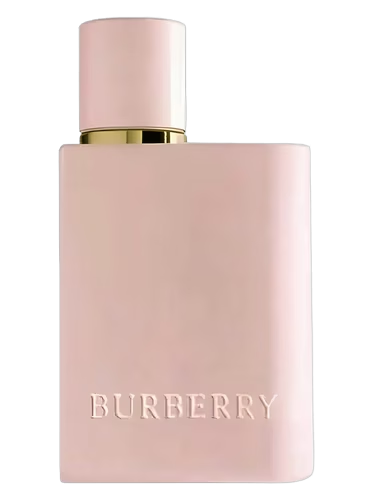
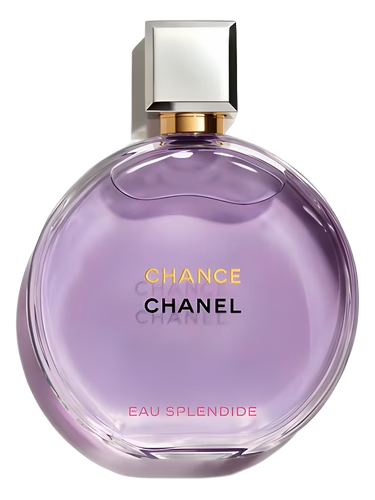
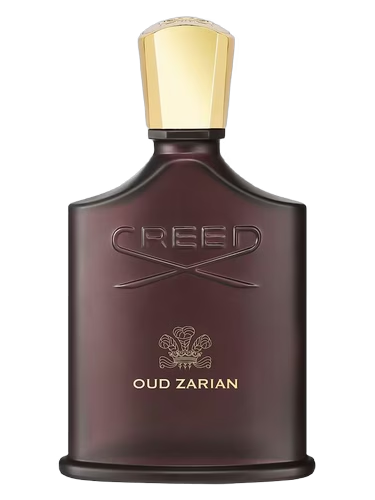
Most Popular Scents Using Artichoke
What is Artichoke in perfumery?
Artichoke is a modern, avant-garde vegetable note derived from the Cynara cardunculus plant, used primarily in niche fragrances to add a unique, fleshy, and earthy green complexity.What does Artichoke smell like?
It offers a distinctive savory profile characterized by a fleshy, slightly bitter, and fatty nuance with prominent green facets reminiscent of fresh vegetation and damp soil.How is Artichoke essence extracted?
Historically obtained through maceration, modern methods utilize high-efficiency green technologies like ultrasound-assisted extraction (UAE) to repurpose agricultural by-products from the leaves and stems.What are some top perfumes featuring Artichoke?
Notable fragrances include Diptyque Eau Rose Eau de Parfum, Sisley Eau de Campagne, Treading Water Coeur d'Artichaut, and Bottega Veneta Come with Me.When is Artichoke in season?
Artichokes have a primary harvest peak in the spring from March through May, with a secondary smaller bounty occurring in the autumn during September and October.