Fragrance Notes Are Layers Of Scent That Are Layered To Form The Final Fragrance. Fragrance Notes Are Categorised Into Three Main Elements Based On How Long They Take To Evaporate, And How Long They Typically Last Following Application: Top Notes, Heart Notes And Base Notes.
Shiikuwasha
Shiikuwasha offers a bright, intensely tart, and zesty citrus aroma, often described as a mix between lime and bitter orange. It possesses a complex, uplifting quality with green, slightly floral undertones. Its sharp, refreshing scent is highly valued in modern citrus and aquatic compositions for its invigorating impact.

Origin & Extraction Of Shiikuwasha
Shiikuwasha, native to Okinawa, Japan, is a distinct citrus fruit that has only recently found its way into mainstream perfumery. While not possessing the centuries-long history of Mediterranean citruses like Bergamot in classic Eau de Cologne, its use signifies a modern trend toward exotic and complex citrus profiles. Perfumers embrace Shiikuwasha for its sharp, intensely tart, and zesty character—a unique blend of lime and bitter orange—which provides a sophisticated and invigorating lift that is more robust than traditional citrus notes.
Its application is primarily seen in contemporary high-end and niche fragrances, particularly those in the fresh, aromatic, and aquatic families. The complexity of the Shiikuwasha note, including its green and subtle floral undertones, allows it to act as a bridge between the highly volatile top notes and the heart accords. This makes it a valued ingredient for lending a clean, modern, and enduring freshness that appeals to connoisseurs seeking distinctive, non-traditional citrus elements in summer and sport compositions.
Extraction Methods of Shiikuwasha
Historically, essential oil from Shiikuwasha (Citrus depressa) was primarily obtained through traditional citrus processing methods such as cold expression of the peel or simple manual squeezing during juice production. Because the fruit is small and often processed for its tart juice, the aromatic oils were frequently captured as by-products from the pulp and peel residues using basic mechanical separation or hydro-distillation techniques.
Modern extraction methods have become more specialized to maximize the recovery of the fruit's unique bioactive compounds, such as nobiletin and tangeretin. The essential oil is now commonly extracted from the pulp mixture using either steam distillation or cold centrifugation, with steam distillation often yielding a higher volume and diversity of volatile aroma compounds. Recent advancements also include the use of ultrasound-assisted extraction (UAE) with eco-friendly solvents like aqueous ethanol, which allows for a high recovery of flavonoids at a lower energy cost compared to traditional thermal or high-pressure methods.
Shiikuwasha, with its intensely tart and zesty profile blending lime and bitter orange, is a valued note in modern perfumery, particularly for houses seeking invigorating and unique citrus openings. Its sharpness prevents a fragrance from becoming overly sweet, lending an air of sophistication and complexity. Although not as historically common as Bergamot or Lemon, its exotic appeal makes it a standout in contemporary fresh and aquatic compositions. One notable fragrance to utilize this note is **Acqua di Parma Fico di Amalfi**, where its sharp zest contributes to the Mediterranean freshness of the opening.
- **Bvlgari Aqva Pour Homme** is another fragrance rumored to feature a Shiikuwasha-like accord to boost its aquatic freshness.
The rise of niche and artisanal perfumery has allowed notes like Shiikuwasha to gain prominence, moving beyond standard citrus blends. Brands focused on natural ingredients and complex structures often turn to this Okinawan fruit to deliver a sparkling, lasting, and unique fresh facet. Its green and slightly floral undertones allow it to interact beautifully with herbal and white floral heart notes, expanding its role beyond a simple top note.
- **Hermès Eau de Citron Noir** uses a range of exotic citruses, including essences that capture the bright, bitter lift Shiikuwasha provides, moving the classic Eau de Cologne structure toward a darker, smoky freshness.
In addition to fresh colognes, Shiikuwasha is increasingly found in light floral and tea-based fragrances, where its invigorating impact cuts through richer elements, maintaining a sense of transparency and clarity. This versatility ensures its continued use as a sophisticated, modern alternative to traditional grapefruit or lime notes, offering a brighter, more complex opening that aligns with current trends for elevated natural freshness. **Issey Miyake L'Eau d'Issey Pour Homme Fraiche** incorporates unique citrus elements that mirror the zesty, uplifting character of the Shiikuwasha peel.
Sustainability Of Shiikuwasha
Sustainability of Shiikuwasha
- Reducing food waste by repurposing pomace—the leftover pulp and peel from juice production—into functional fermented foods enriched with probiotics and flavonoids
- Promoting a circular economy by utilizing secondary streams, such as using discarded young fruits as feedstock for essential oil extraction
- Preserving genetic biodiversity by maintaining wild populations and traditional landraces in regions like Oku, Okinawa, to prevent the loss of genetic variability found in modern commercial groves
- Supporting local agro-industries and smallholder farmers by developing high-value nutritional and medicinal products from indigenous citrus varieties
- Adopting efficient extraction techniques, such as cold centrifugation and steam distillation, to optimize resource use and maximize the yield of beneficial bioactive compounds
Trivia
The name Shiikuwasha translates from the Okinawan language as to eat the sourness, a literal description of its intense acidity and traditional use as a flavor enhancer.
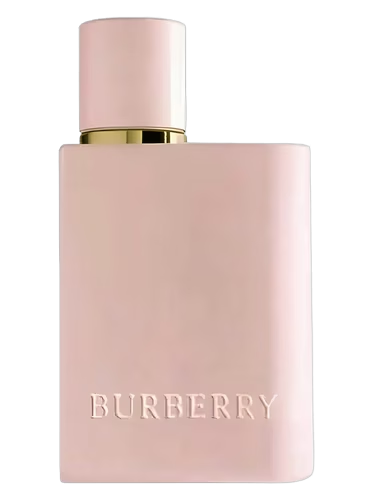
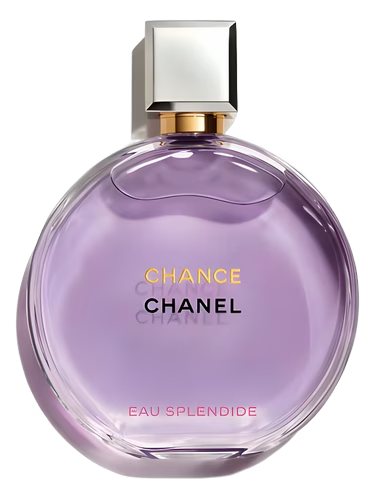
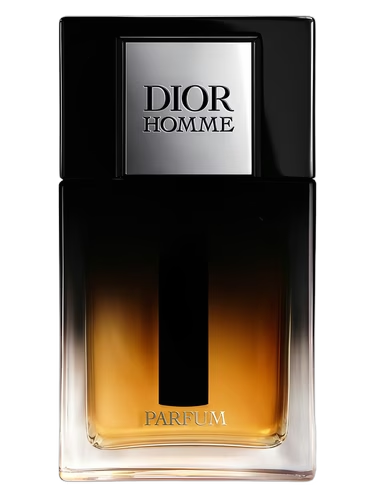
Most Popular Scents Using Shiikuwasha
What is Shiikuwasha?
Shiikuwasha is an exotic Japanese citrus fruit native to Okinawa, also known as the Okinawa lime or flat lemon, prized in perfumery for its intensely tart and zesty aromatic profile.
How is Shiikuwasha oil extracted?
The essential oil is primarily obtained through steam distillation or cold centrifugation of the fruit pulp and peel, often captured as a high-value by-product of juice production.
What does Shiikuwasha smell like?
It offers a bright, sharp, and refreshing scent that blends the characteristics of lime and bitter orange with unique green and slightly floral undertones.
What are some top perfumes featuring Shiikuwasha?
Notable fragrances that utilize Shiikuwasha or its characteristic accords include Diptyque Oyedo, Parfums de Marly Sedley, Acqua di Parma Fico di Amalfi, and Aesop Tacit.
When is Shiikuwasha in season?
The fruit follows a seasonal cycle with harvest spanning from August to February; unripe green fruits are picked in late summer, while sweeter yellow fruits ripen during the winter months.