Fragrance Notes Are Layers Of Scent That Are Layered To Form The Final Fragrance. Fragrance Notes Are Categorised Into Three Main Elements Based On How Long They Take To Evaporate, And How Long They Typically Last Following Application: Top Notes, Heart Notes And Base Notes.
Apple
A crisp, sweet, and slightly tart aroma, often featuring green, juicy nuances. In perfumery, apple notes range from fresh, watery green apple (like Granny Smith) to richer, candied red apple scents. It provides a bright, uplifting top note, sometimes carrying fruity-floral or cider-like facets for complexity and sweetness.
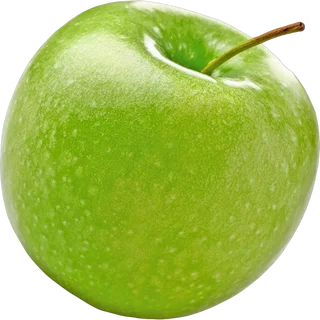
Origin & Extraction Of Apple
While the apple is native to Central Asia and has held cultural and symbolic importance—associated with love in Greek mythology and the forbidden fruit in Christian tradition—it was not a primary component in ancient perfumery, which focused more on resins, flowers, and spices. The modern application of the apple note in fine fragrance is relatively recent, gaining prominence with the advancement of synthetic molecules that allowed perfumers to capture its crisp, watery, and complex aroma accurately.
The Apple note experienced a renaissance in modern perfumery, becoming a staple in fresh, aquatic, and fruity compositions starting around 2004. Contemporary perfumers utilize its versatility, ranging from the bright, green crispness of a Granny Smith to the rich sweetness of a candied red apple. It is now frequently used not just as a fleeting top note, but also as a centerpiece, often blended with sophisticated accords like warm spices, bourbon, or amber to add complexity, longevity, and a cheerful sweetness to modern fragrances.
Extraction Methods of Apple
Historically, the extraction of bioactive compounds from apples, such as polyphenols and polysaccharides, relied on conventional solid-liquid techniques like maceration and reflux. These traditional methods involved soaking ground or dried apple material in organic solvents—typically ethanol, methanol, or acetone—for extended periods to allow for the natural diffusion of nutrients. Maceration often required up to 20 hours of shaking at controlled temperatures to maximize the yield of antioxidants from the fruit and its peel.
Modern extraction techniques have evolved to significantly improve efficiency, speed, and environmental sustainability. Current advanced methods include Ultrasound-Assisted Extraction (UAE) and Microwave-Assisted Extraction (MAE), which use high-frequency waves to disrupt cell walls and accelerate the release of compounds. Additionally, specialized processes like pressurized liquid extraction (PLE), pulsed electric fields (PEF), and supercritical fluid extraction (SFE) are employed to achieve high purity without the need for toxic solvents. Recent developments also highlight the use of enzymatic hydrolysis and ultrafiltration membranes to refine extracts for pharmaceutical and cosmetic applications.
The apple note, particularly the fresh, crisp green variety, gained significant modern popularity with the release of *DKNY Be Delicious* by Donna Karan. Launched in 2004, this fragrance is perhaps the most iconic example of a perfume built around the realistic aroma of a juicy green apple, specifically reminiscent of a Granny Smith. It captured a moment in perfumery where fruity notes were utilized not just as sparkling top notes, but as a central, dominant theme, lending a contemporary, urban freshness that became instantly recognizable and widely imitated.
- *DKNY Be Delicious* is celebrated for its bright, aquatic, and slightly tart interpretation of the apple note.
Beyond the fresh green variety, the red apple note is frequently employed to add a sweet, sometimes candied or alcoholic facet, often seen in masculine and gourmand-leaning compositions. A prime example is *Boss Bottled* by Hugo Boss. While not a purely apple scent, the note serves as a crucial, inviting element in the top and heart notes, providing a soft, juicy counterpoint to the warm spices and woody base. This use of apple lends the fragrance its signature balance of fruitiness, warmth, and sophistication.
- *Boss Bottled* uses the apple note to bridge its fresh opening with a deeper, warm, and spicy core.
In niche and more complex fragrances, the apple note can be manipulated to evoke specific settings or memories, often appearing alongside boozy or dessert-like accords. Take, for instance, fragrances that utilize a rich, baked apple or cider accord. These scents leverage the note's ability to transition from bright freshness to comforting gourmand sweetness, often accented by cinnamon or caramel. Although less mainstream, this complex application demonstrates the versatility of the apple note in adding texture and narrative depth to modern perfumery, appealing to lovers of rich, evocative scents.
Sustainability Of Apple
Sustainability of Apple
- Utilizing upcycled materials by repurposing fruit waste from the food and beverage industry to create sustainable fragrance ingredients
- Developing biodegradable synthetic apple accords that mimic the natural scent profile while reducing the environmental impact of traditional harvesting
- Adopting green chemistry principles to synthesize aromatic compounds with lower energy consumption and minimal chemical waste
- Supporting circular economy initiatives, such as the creation of perfumes that exclusively use reclaimed apple materials alongside other upcycled components
- Reducing the carbon footprint of fragrance production by prioritizing locally sourced and renewable raw materials for apple-themed compositions
Trivia
The apple is a member of the rose family, and because it yields no natural essential oil, its crisp scent in perfumery is always a synthetic reconstruction known as a fantasy note.
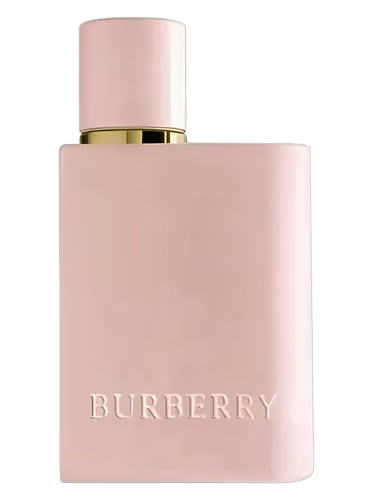
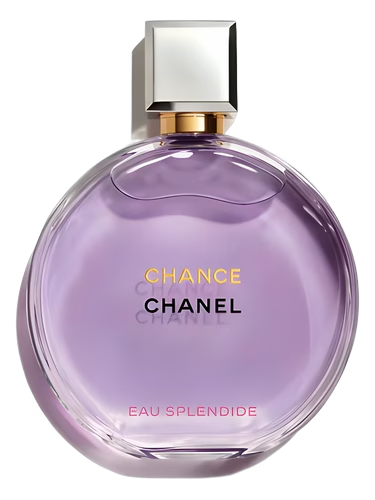
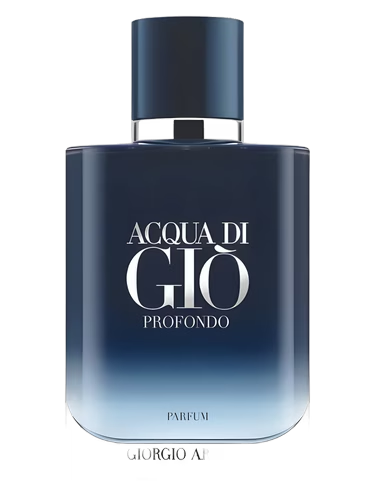
Most Popular Scents Using Apple
What is the Apple note?
The apple note is a popular fruity accord in modern perfumery, valued for its ability to provide a crisp, refreshing, and youthful character to aquatic, floral, and gourmand compositions.What does Apple smell like?
It offers a bright and juicy aroma that varies from the tart, zesty edge of a green Granny Smith to the mellow, honey-like sweetness of a red apple or the syrupy scent of candied apple.How is the Apple scent extracted?
Because apples do not produce a natural essential oil, perfumers use synthetic reconstructions, known as fantasy notes, to capture their crisp and watery aromatic profile.What are some top perfumes featuring Apple?
Famous fragrances include DKNY Be Delicious, Nina Ricci Nina, Boss Bottled by Hugo Boss, Kayali Eden Juicy Apple 01, and Kilian Apple Brandy on the Rocks.When is Apple in season for perfumery?
While the natural fruit harvest peaks in autumn from September to October, apple notes are used year-round, adding a revitalizing lift to spring and summer scents or a cozy sweetness to winter blends.