Fragrance Notes Are Layers Of Scent That Are Layered To Form The Final Fragrance. Fragrance Notes Are Categorised Into Three Main Elements Based On How Long They Take To Evaporate, And How Long They Typically Last Following Application: Top Notes, Heart Notes And Base Notes.
Calendula
Calendula offers a delicate, sweet, and slightly herbal scent profile. This floral middle note is prized in perfumery for imparting a sense of freshness, positivity, and well-being. It is often used to bring an uplifting, gentle nuance to fragrance compositions, avoiding the sharpness of other notes.

Origin & Extraction Of Calendula
Calendula (Calendula Officinalis L.), also known as pot marigold, is native to the Mediterranean region and has a history dating back to the Middle Ages, with the earliest evidence coming from the early 12th century, and has also been used in Ayurvedic medicines. It has been cultivated for its beneficial properties and pleasant fragrance.
In perfumery, Calendula is valued for its delicate, sweet, and slightly herbal scent. Its use in fragrances is primarily to impart a sense of freshness and well-being, often described as warm and sunny. This floral note is used as a gentle, uplifting nuance in compositions, especially for perfumes that aim to evoke joy, brightness, and natural beauty.
Extraction Methods of Calendula
Historically, calendula extraction has been rooted in traditional maceration techniques known since antiquity. Dried flowering tops were infused in vegetable oils, such as olive or sesame, through static diffusion—a process often accelerated by solar heat on a sunny windowsill. This "folk method" involved submerged flowers steeping for weeks to release lipophilic compounds. Additionally, hydro-alcoholic tinctures and water-based decoctions or infusions (teas) have long been used to capture the plant's medicinal properties.
Modern commercial production utilizes more precise and diverse methods to enhance yield and stability. While traditional oil maceration is still widely used, it is now often controlled through water baths or heated vessels to reduce processing time to a few hours. Advanced techniques include supercritical CO2 extraction, which captures delicate aromatic molecules and phytochemicals without heat damage, and ultrasound-assisted extraction (UAE) to boost bioactive recovery. Innovative "oil-type solvent extraction" uses pressure to burst plant cells within an extraction chamber, efficiently transferring compounds like phytosterols and flavonoids into an oily carrier in minutes. For specialized applications, steam distillation is employed to produce calendula hydrosol, and solid-phase microextraction (SPME) is used for analytical precision.
Calendula, with its delicate, sweet, and slightly herbal profile, is often utilized by contemporary perfume houses to impart a sense of uplifting freshness and natural well-being. Although it lacks the extensive history of classic florals like Rose or Jasmine, its unique ability to lend a warm, sunny nuance makes it highly desirable in modern compositions that seek a gentle, light-filled character. Several artisanal and niche brands have successfully incorporated Calendula to distinguish their fresh floral or herbaceous offerings.
The niche sector is where Calendula often finds its most prominent expression. For instance, the brand Byredo is known for its focus on evocative, high-quality ingredients, and certain creations within its line utilize the calendula note to provide a soft, slightly green, and non-sharp floral heart. Similarly, fragrances from Profumum Roma, which are celebrated for their intensity and longevity, may use Calendula to add a bright, gentle layer that softens rich amber or woody bases, preventing them from becoming overly dense.
Another house associated with the use of Calendula is Eight and Bob. In their repertoire, Calendula helps contribute to clean, sophisticated, and often unisex blends. It provides a unique complexity, acting as a bridge between sparkling citrus top notes and deeper, more grounded elements. By avoiding the typical sweetness of many florals, Calendula ensures the final composition remains fresh and airy, delivering a signature of natural, effortless elegance.
Sustainability Of Calendula
Sustainability of Calendula
- Adopting vertical and indoor farming techniques to save up to 90% of water compared to traditional methods while eliminating the need for soil
- Utilizing solar energy to power cultivation facilities and ensuring crops are grown without herbicides, pesticides, GMOs, or heavy metals
- Promoting a circular economy through zero-waste goals, including composting exhausted biomass and repurposing crop residues to enhance soil health
- Implementing organic farming and biodynamic agriculture to foster biodiversity, improve soil carbon sequestration, and protect local ecosystems
- Sourcing through certified frameworks like UEBT and B-Corp to ensure fair wages, ethical labor conditions, and respect for biodiversity throughout the supply chain
- Researching the use of beneficial endophytic bacteria as natural alternatives to chemical fertilizers and pesticides to enhance plant resistance and growth
Trivia
Known as the "poor man's saffron," calendula petals have been used since the Middle Ages to provide a golden color to cheese and butter, and it was once believed that walking on the flowers barefoot would grant a person the ability to understand the language of birds.
Most Popular Scents Using Calendula
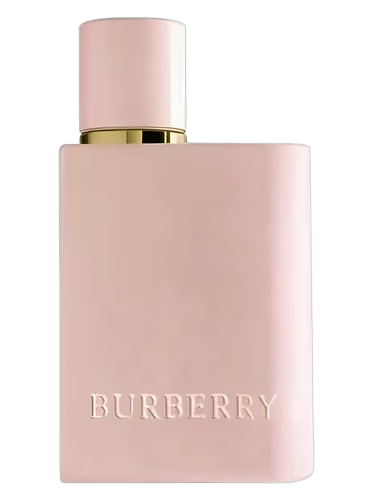
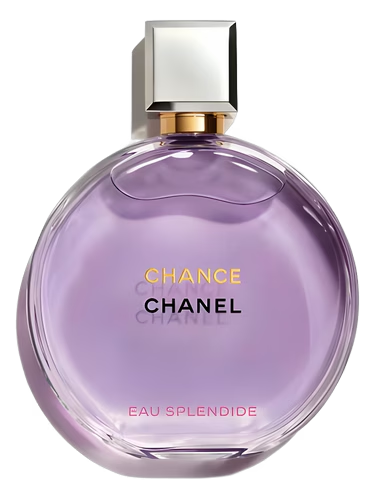
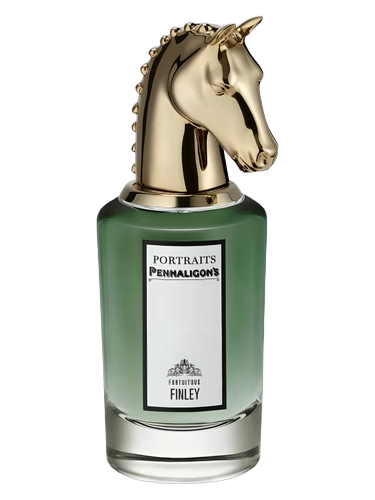
What is Calendula?
Calendula, also known as pot marigold, is a flowering plant native to the Mediterranean region, prized in perfumery as a floral middle note for its ability to impart freshness and well-being.What does Calendula smell like?
It offers a delicate, sweet, and slightly herbal scent profile that is often described as warm, sunny, and gentle, lacking the sharp edges of many other floral notes.How is Calendula essence extracted?
The essence is traditionally obtained through maceration, where dried flowers are infused in oils, though modern methods also include supercritical CO2 extraction and steam distillation to produce hydrosols.What are some top perfumes featuring Calendula?
Notable fragrances including this note are Pantheon Roma MMXXIV, Byredo creations, Eight and Bob blends, and Lush Chocolate Konifer.When is Calendula in season?
Calendula is a hardy annual with a long blooming period from early spring until the first heavy frost in late autumn, though it may pause during extreme summer heat.