Fragrance Notes Are Layers Of Scent That Are Layered To Form The Final Fragrance. Fragrance Notes Are Categorised Into Three Main Elements Based On How Long They Take To Evaporate, And How Long They Typically Last Following Application: Top Notes, Heart Notes And Base Notes.
Cornflower Sultan Seeds
Cornflower Sultan Seeds offer a unique, complex scent profile. The aroma is often described as clean, fruity, and fresh, moving into a subtle sweetness reminiscent of oat and hazelnut. It provides a long-lasting, heavy character, often utilized as a rich heart note, sometimes with earthy vetiver undertones.

Origin & Extraction Of Cornflower Sultan Seeds
Cornflower Sultan Seeds, derived from the annual plant *Centaurea moschata*, represent a highly specialized and modern note in perfumery, often distinguished from the more traditional use of cornflower (or bachelor's button) in folk remedies. Historically, the cornflower plant has been used for its aesthetic value and occasionally in herbal preparations. However, the specific oil or extract from the Sultan Seeds is a contemporary perfumery material. Its usage has not been recorded in the historical foundations of perfumery, such as the 18th-century Eau de Cologne structures, which relied on classic florals and citruses.
The relevance of Cornflower Sultan Seeds in modern fragrance is tied to niche and artisanal houses seeking complex, naturalistic, and unusual aromatic profiles. Perfumers utilize this note to introduce a sophisticated, slightly gourmand-like nuance—moving beyond simple floral or green accords. The characteristic clean, nutty, and subtly earthy sweetness, often likened to oat and hazelnut, allows it to function as a rich, long-lasting heart note, adding complexity and bridging floral or fresh openings with deeper, woody or vetiver-based drydowns in contemporary compositions.
Extraction Methods of Cornflower Sultan Seeds
The primary method for extracting cornflower sultan seeds (also known as bachelor buttons) involves a manual process of harvesting and threshing dried seed heads. Historically and traditionally, this is done at the end of the growing season when the flower heads have faded and turned into brown, ripe capsules. Collectors typically snip the dried heads using scissors or pruners and then use their fingers to firmly press, rub, or crush the capsules over a tray or container. This mechanical action releases the small, shiny, bullet-shaped seeds, which are characterized by a small tuft of bristles or "whiskers" at one end.
In modern home gardening and small-scale seed saving, the latest refinement to this process includes advanced cleaning techniques such as winnowing or sifting. After the seeds are released, lightweight debris and chaff are removed by gently blowing over the seeds or using a fine mesh sieve. These cleaned seeds are then thoroughly air-dried on a flat surface for several days to prevent mold before being stored in breathable paper envelopes or airtight containers in cool, dark, and dry locations to maintain their viability for up to three years.
One of the most recognized fragrances featuring the Cornflower Sultan Seeds note is the limited edition scent, Oat & Cornflower by Jo Malone London. Launched in 2018, this fragrance highlights the unique, subtly sweet, and nutty characteristics of the sultan seeds, pairing them with the creamy, comforting aroma of oat. This blend positions the note as a sophisticated heart component, bridging the gap between delicate floral aspects and a clean, earthy undertone, appealing to modern consumers seeking fresh, naturalistic compositions.
- * * *
The Cornflower Sultan Seeds note has also been embraced by contemporary and niche perfume houses for its complex aromatic profile, moving beyond simple florals. For instance, Pendora Scents Cornflower Delight (2025) utilizes the sultan seeds as a central element in its middle notes, which are preceded by top notes of oat and hazelnut. This arrangement emphasizes the inherent gourmand-like nuance of the note, blending its subtle sweetness with richer, nuttier accords for a long-lasting, comforting scent journey.
- * * *
Other fragrances incorporate the note to provide a unique aromatic freshness. Wild Drops Parfums Cornflower (2019) and L'Erbolario Fiordaliso (2025) showcase the versatility of Cornflower Sultan Seeds, proving it can be adapted to various olfactory profiles. Whether utilized to add a sophisticated, earthy depth in compositions like the upcoming Felicità Bugatti Fashion (2024), or to support lighter, more ethereal accords, the note provides a clean, long-lasting character that is highly valued in the current fragrance landscape.
- Sowing typically occurs in spring from March to May once the threat of frost has passed, or in autumn from August to October for earlier blooms the following year
- The primary bloom season spans from late spring through early fall, with peak flowering often occurring between July and October
- Individual plants generally flower for a period of 10 to 12 weeks during the summer months
- Successive sowings every two weeks can prolong the flowering period through the end of the season
- The plant completes its life cycle within a single growing season, though it frequently self-seeds to return the following spring
Sustainability Of Cornflower Sultan Seeds
Sustainability of Cornflower Sultan Seeds
- Supporting biodiversity by serving as a high-value habitat and food source for essential pollinators, including bees, butterflies, hoverflies, and other beneficial insects
- Promoting natural pest management and reduced chemical reliance due to the plant's inherent resistance to most diseases and its adaptability to poor soil conditions
- Conservation of rare segetal species through the maintenance of traditional, low-intensity farming systems and organic cultivation practices that avoid habitat destruction from herbicides
- Enhancing soil health and protection by utilizing deep-rooted varieties in intercropping systems to improve carbon sequestration and access deep groundwater without frequent irrigation
- Implementing sustainable sourcing and quality control measures, such as Global G.A.P. standards and rigorous batch testing, to ensure the ecological integrity of seed production
- Preserving traditional agricultural heritage and genetic diversity by supporting small-scale farms that utilize self-produced seeds and mechanical weeding instead of chemical treatments
Trivia
The common name Bachelors Button originates from a folklore tradition where young men in love wore the flower in their buttonhole; if the bloom faded quickly, it was a sign that their love was not returned.
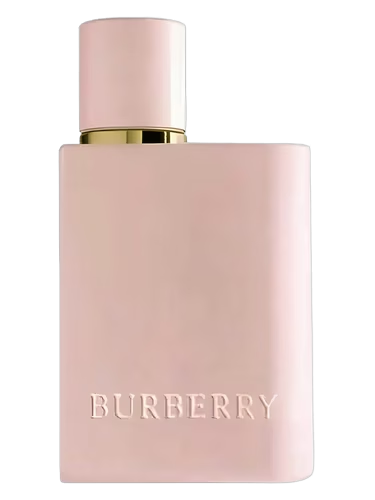
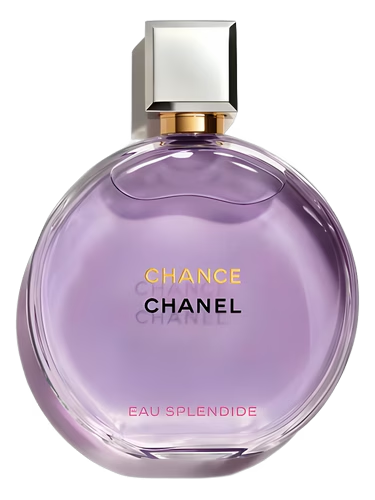
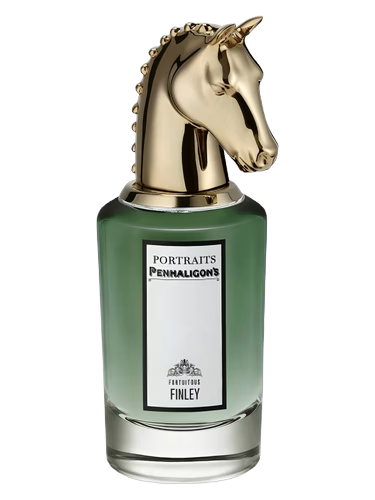
Most Popular Scents Using Cornflower Sultan Seeds
What are Cornflower Sultan Seeds?
Cornflower Sultan Seeds are a modern fragrance note derived from the Centaurea moschata plant, prized by niche perfumers for their complex, naturalistic, and slightly gourmand character.What do Cornflower Sultan Seeds smell like?
The aroma is clean, fresh, and fruity, featuring a unique nutty sweetness reminiscent of oat and hazelnut with subtle earthy undertones.How is Cornflower Sultan Seeds essence extracted?
The essence is obtained through distillation following a manual process of harvesting and threshing dried seed heads to release the seeds.What are some top perfumes featuring Cornflower Sultan Seeds?
Recognized fragrances include Jo Malone London Oat & Cornflower, L'Erbolario Fiordaliso, Pendora Scents Cornflower Delight, and Wild Drops Parfums Cornflower.When is the Cornflower Sultan plant in season?
The primary bloom season occurs from late spring through early fall, with peak flowering typically spanning from July to October.