Fragrance Notes Are Layers Of Scent That Are Layered To Form The Final Fragrance. Fragrance Notes Are Categorised Into Three Main Elements Based On How Long They Take To Evaporate, And How Long They Typically Last Following Application: Top Notes, Heart Notes And Base Notes.
Black Sapote
Black Sapote, or "Chocolate Pudding Fruit," offers a unique and gourmand profile in perfumery, blending creamy, rich chocolate nuances with tropical fruit undertones. It has a slightly earthy sweetness, reminiscent of cocoa powder mixed with dates or dried figs, providing depth and a comforting, decadent feel, often used in exotic or dark gourmand compositions.

Origin & Extraction Of Black Sapote
Black Sapote, or "Chocolate Pudding Fruit," is a relatively modern and specialized addition to the perfumer's palette. Native to Mexico and Central America, the fruit itself has been consumed for centuries, but its use in fine perfumery is much more recent, correlating with the rise of the gourmand fragrance category in the late 20th and early 21st centuries. Perfumers seek to capture its unique aroma, which naturally blends the dark, creamy richness of cocoa with tropical fruit and slightly earthy undertones. Because the actual fruit oil is rare, the note is usually recreated synthetically or via an accord built from cocoa absolute, tropical fruit esters, and musk, allowing for greater consistency and longevity in fragrance composition.
Its primary relevance in perfumery is its function as a unique bridge between traditional fruity notes and rich gourmand bases. Unlike common fruit notes which are volatile top notes, Black Sapote is typically utilized in the heart or base of a fragrance to lend a decadent, comforting, and velvety texture, often complementing patchouli, vetiver, or oriental spices. This positioning differentiates it from straightforward chocolate notes by providing a natural, complex sweetness that avoids being cloying, solidifying its place in niche and high-end fragrances looking for an exotic and sophisticated gourmand signature.
Extraction Methods of Black Sapote
Historically, the aromatic and bioactive compounds of black sapote were isolated using traditional simultaneous distillation-solvent extraction (SDE) and simple maceration techniques. These methods often involved blending the fruit pulp with water and using solvents like dichloromethane to capture the volatile profile, which is rich in terpene compounds, aldehydes, and ketones such as (Z)-beta-ocimene and (E)-cinnamaldehyde.
Modern extraction has evolved to utilize more efficient and specialized techniques to preserve the fruit's unique properties. Recent developments include Ultrasonic Assisted Extraction (UAE) using both hydrophilic and hydrophobic solvents to isolate antibacterial phytochemicals like glycosides, phenolics, and flavonoids. Additionally, advanced methods such as liquid-liquid extraction with ethanol followed by spray drying at high temperatures are used to create microencapsulated pigments and powders for use in food and nutraceutical applications.
Black Sapote, often referred to as "Chocolate Pudding Fruit," lends a unique, creamy gourmand dimension to fragrances, moving beyond traditional sweet notes like vanilla or caramel. Due to its exotic and niche profile, it hasn't been widely adopted by mainstream perfume houses. However, it is celebrated in the artisanal world for providing an earthy, slightly dark cocoa sweetness without relying on synthetic chocolate accords. This distinct aroma, reminiscent of dried figs and dates mixed with cocoa, is perfect for creating deep, comforting, and decadent compositions, particularly in the dark gourmand and oriental categories.
One notable use of Black Sapote is found in niche fragrances seeking a truly original gourmand signature. The note can be used to anchor tropical florals or enhance rich spice blends, creating an unexpected complexity. While specific highly mainstream examples are limited, independent perfumers often feature the note prominently. For instance, in some contemporary blends, Black Sapote works alongside ingredients like patchouli and tonka bean to build a luxurious, food-inspired base that is warm and enveloping, offering a subtle contrast to brighter, lighter top notes.
The success of the Black Sapote note lies in its ability to bridge the fruit and gourmand families. In fragrances where it truly shines, such as certain artisanal blends (like those by independent houses known for bold gourmands, though no single mainstream example is universally famous), it provides a soft, pulp-like texture that prevents the scent from becoming overly dry or powdery. It contributes a rich, natural sweetness that is more nuanced than simple sugar, resulting in a sophisticated, wearable "chocolate" aroma that appeals to those seeking exotic indulgence. This positions Black Sapote as an increasingly prized ingredient for creating modern, complex, and memorable edible scents.
Sustainability Of Black Sapote
Sustainability of Black Sapote
- Promoting organic gardening practices as the tree naturally suffers from few insect pests, significantly reducing the need for synthetic insecticides and pesticides
- Supporting biodiversity and foodscaping by integrating adaptable tropical trees into residential landscapes and parks to provide habitats and functional food sources
- Encouraging a circular economy through zero-waste initiatives such as repurposing excess fruit into jams, preserves, or frozen pulp to extend shelf life
- Adoption of eco-friendly cultivation techniques including natural farming, mulching to conserve soil moisture, and using organic matter to enhance soil fertility
- Implementation of natural pest management strategies, such as installing barn owl boxes to control rodent populations without chemical intervention
Trivia
Known as the "chocolate pudding fruit," the black sapote has a dark, custardy pulp that looks and tastes like chocolate pudding, yet contains nearly four times as much vitamin C as an orange.
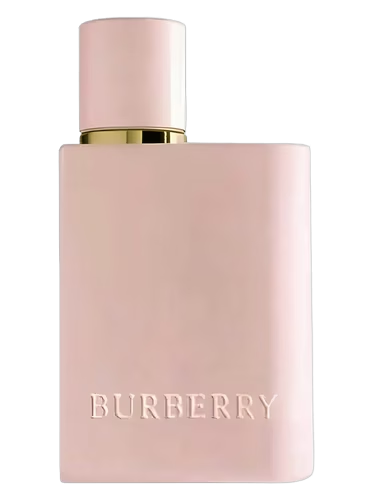
Most Popular Scents Using Black Sapote


What is Black Sapote?
Black Sapote, also known as the Chocolate Pudding Fruit, is a tropical fruit native to Mexico and Central America used in perfumery to create unique, dark gourmand accords.What does Black Sapote smell like?
It features a creamy, rich chocolate profile with tropical fruit undertones and a slightly earthy sweetness reminiscent of cocoa powder, dates, and dried figs.How is Black Sapote essence extracted?
In modern perfumery, its aroma is typically captured through Ultrasonic Assisted Extraction or recreated as an accord using cocoa absolute, tropical fruit esters, and musk.What are some top perfumes featuring Black Sapote?
A notable fragrance featuring this unique note is Eauso Vert Fruto Oscuro.When is Black Sapote in season?
The fruit typically ripens and is harvested from late fall through early spring, with peak availability generally occurring between November and February.