Fragrance Notes Are Layers Of Scent That Are Layered To Form The Final Fragrance. Fragrance Notes Are Categorised Into Three Main Elements Based On How Long They Take To Evaporate, And How Long They Typically Last Following Application: Top Notes, Heart Notes And Base Notes.
Acorn
Acorn has a subtly sweet, nut-forward aroma with dry, woody undertones. It evokes the quiet richness of the forest floor, bringing a sense of calm, earthy abundance to a fragrance.
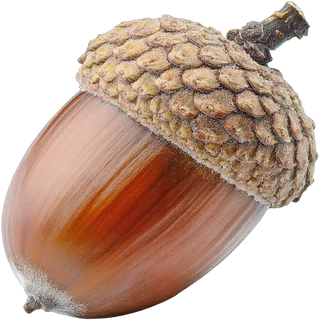
Origin & Extraction Of Acorn
The use of Acorn as a distinct note in perfumery is relatively modern, coinciding with a broader trend in niche and artisanal fragrance design toward photorealism and natural, forest-floor accords. While historical perfumery relied on traditional woody and earthy notes like oakmoss and patchouli to convey woodland depth, Acorn is valued for its unique ability to bridge the dry, woody aspect of the oak tree with a subtle, comforting nuttiness. It is not an essential component of classic structures like the fougère or chypre, but rather a sophisticated textural addition used to enhance the authenticity and complexity of contemporary compositions, often appearing alongside chestnuts, hazelnuts, and damp earth notes.
Acorn rarely serves as a headline ingredient but plays a supporting role in high-end fragrances that aim for evocative storytelling and natural elegance. Its presence is generally utilized to deepen the gourmand facets of nutty accords or to lend a dry, woody realism to earthy bases, providing grounding and warmth. Modern perfumers employ this note to transition scents smoothly from brighter openings to rich, enveloping dry-downs, appealing to a contemporary audience that appreciates subtlety and the complex tapestry of the outdoors.
Extraction Methods of Acorn
The extraction of edible acorn essence and meal is primarily a process of leaching to remove bitter, astringent tannins. Historically, Indigenous peoples, such as Native American tribes, practiced an ancient method of placing shelled acorns in baskets set within clean, fast-flowing streams, allowing the rushing water to naturally wash away tannins over several days. Another traditional approach involves the repeated boiling of nutmeats in successive changes of water until the liquid no longer turns the color of dark tea, a sign that the tannic acid has been sufficiently removed.
Modern methods have refined these techniques into two main categories: cold and hot leaching. Cold leaching involves soaking ground acorn meal in refrigerated water and changing the water daily for one to two weeks; this method is favored for preserving natural starches that help the flour bind during baking. Hot leaching is a faster contemporary alternative where acorns are boiled in multiple pots of fresh water, though it tends to denature certain starches and remove some beneficial fats. Recent advancements also include the use of modern appliances like high-powered blenders and immersion blenders to increase the surface area of the nuts before leaching, significantly accelerating the extraction process compared to traditional whole-nut methods.
The Acorn note is a sophisticated, relatively modern addition to the perfumer's palette, often used to bridge the gap between earthy, woody base notes and slightly sweet, autumnal heart notes. While not a classic component like oakmoss or vetiver, it has been embraced by niche and designer houses seeking to evoke the scent of a forest floor, quiet abundance, and cozy, grounded comfort. Its inclusion signals a fragrance with an emphasis on natural realism and subtle complexity, avoiding overly sweet or synthetic woods.
- Acorn and its related oakwood facets played a notable role in the development of Guerlain's Pamplelune (1999), adding a nutty, grounding texture to the composition's bright grapefruit and petitgrain.
- A prominent example is Jo Malone's English Oak & Hazelnut, where the woody-nutty accord of acorn provides a dry, slightly earthy background that anchors the fresh green notes and the creamy hazelnut.
Because the odor profile of Acorn—subtly sweet, dry, and woody—lends itself well to both masculine and feminine compositions, it functions primarily as a sophisticated texture modifier. It enhances the depth of other nuts (like hazelnut or chestnut) and provides an authentic, non-sweet forest-floor realism when paired with patchouli, moss, or cedarwood, ensuring the woodland theme remains dry and elegant.
In contemporary perfumery, particularly within the niche segment, the Acorn note is valued for its narrative power. It suggests an evocative scene—a crisp autumn day, the scent of fallen leaves, and the quiet of the woods—making it an excellent complement to fragrances built around autumnal spices, dried fruit accords, or green-woody structures. It offers longevity and a unique, nuanced sweetness without relying on traditional gourmand ingredients.
Sustainability Of Acorn
Sustainability of Acorn
- Promoting regenerative agricultural models by reintroducing the acorn as a sustainable, nutrient-dense alternative to intensive crops that requires minimal water and no chemical fertilizers
- Conserving the Portuguese montado and other oak landscapes, which serve as vital biodiversity hotspots and play a critical role in carbon sequestration and desertification prevention
- Supporting circular bioeconomy principles by repurposing acorns into value-added products like gluten-free flour, coffee alternatives, and sustainable snacks for local markets
- Ensuring long-term forest resilience through the use of native, locally sourced seeds that are genetically adapted to their environment and more resistant to pests and diseases
- Implementing ethical and "honorable harvest" practices that involve taking only a portion of the crop to ensure enough remains for wildlife survival and natural tree regeneration
- Empowering smallholder farmers through agroforestry projects that transition monocultures into diverse systems, providing carbon income and improving local livelihoods
Trivia
Acorns were once such a vital dietary staple for humans that ancient Greeks and Romans referred to oak trees as the first mothers of mankind, believing that people lived on acorns before the discovery of grain.
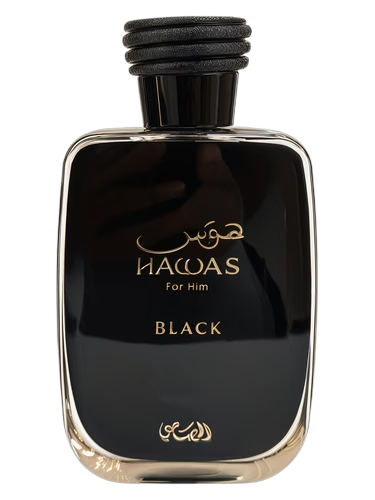
Most Popular Scents Using Acorn


What is Acorn?
Acorn is a nutty, woody fragrance note derived from the fruit of the oak tree, primarily used in modern niche perfumery to evoke forest-floor realism and grounded comfort.What does Acorn smell like?
It features a subtly sweet, nut-forward aroma with dry, woody undertones, bridging the gap between earthy base notes and autumnal heart notes.How is Acorn essence extracted?
In a culinary and aromatic context, it is obtained through leaching, a process of soaking or boiling to remove bitter tannins, while modern perfumery uses these facets to create textural accords.What are some top perfumes featuring Acorn?
Notable fragrances include Jo Malone English Oak & Hazelnut, Guerlain Pamplelune, Sorce Ephemera, and Zoologist Chipmunk.When is Acorn in season?
Acorns typically ripen and fall during the autumn months, with peak harvest and activity occurring between September and October.