Fragrance Notes Are Layers Of Scent That Are Layered To Form The Final Fragrance. Fragrance Notes Are Categorised Into Three Main Elements Based On How Long They Take To Evaporate, And How Long They Typically Last Following Application: Top Notes, Heart Notes And Base Notes.
Carrot
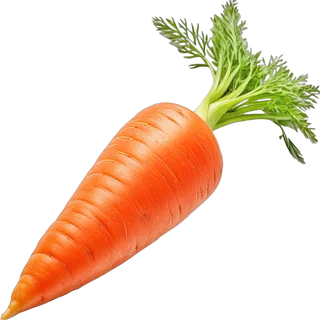
Carrot in perfumery is primarily used as Carrot Seed oil, offering an earthy, powdery, and slightly spicy aroma, often likened to iris or orris root. It possesses dry, rooty facets with a sweet, fatty nuance, adding depth and a velvety texture to compositions, particularly in floral and oriental scents.
Origin & Extraction Of Carrot
Carrot seed oil, derived from the seeds of the wild carrot (Daucus carota), has been used in traditional medicine and aromatherapy for centuries, but its entry into modern perfumery is more specialized. The oil's unique aromatic profile—earthy, rooty, dry, and slightly powdery, reminiscent of iris root—made it a valuable, albeit niche, ingredient. Early use was often to lend a subtle, sophisticated warmth and depth to classical structures like Chypre and Fougère, where it helped bridge the gap between volatile top notes and heavier, often woody or mossy bases.
In contemporary perfumery, the carrot note gained particular attention in the late 20th and early 21st centuries as perfumers began exploring more vegetal and less overtly floral or citrus notes. It is now frequently employed in high-end compositions to provide a soft, velvety texture and an "orris-like" powdery effect without the high cost of genuine orris. Its modern usage is often found in artistic and niche fragrances, notably supporting green and aquatic themes (like Hermès Un Jardin Sur Le Nil) or adding a savory, gourmand-adjacent touch to oriental and floral accords, signaling sophistication and natural complexity.
Extraction Methods of Carrot
The primary method for extracting carrot seed essential oil is steam distillation of the dried seeds of Daucus carota. In this process, pressurized steam passes through the seeds to vaporize volatile aromatic compounds, which are then condensed and separated from the water to produce a high-purity oil. Alternatively, carrot root oil is often produced through maceration or infusion, where dried or dehydrated carrot slices are soaked in a carrier oil like olive or sunflower oil for several days or weeks to capture fat-soluble nutrients like beta-carotene.
Historically, carrot infusions were prepared by simmering fresh or grated carrots in fats to extract their medicinal and skin-soothing properties. Modern advancements have introduced more sophisticated techniques, such as supercritical carbon dioxide (CO2) extraction, which allows for the capture of delicate aromatic molecules and antioxidants without the use of high heat or hazardous solvents. Other contemporary methods include ultrasound-assisted extraction and molecular distillation, which are increasingly used to maximize the yield of bioactive compounds like carotol and carotenoids for high-end cosmetic and pharmaceutical applications.
Carrot seed, prized for its woody, powdery, and earthy facets, is a surprisingly versatile note. It gained historical prominence when master perfumer Edmond Roudnitska prominently featured it in Rose de Rochas in 1949. Today, the note is best known for its sophisticated role in iconic compositions that bridge fresh and powdery elements, such as Hermès' bright and green scent Un Jardin sur le Nil and Dior's contemporary classic, Dior Homme, where its earthy powderiness supports the core iris note.
- The unique iris-like quality of carrot seed essence makes it an invaluable, cost-effective substitute or complement for the expensive Orris butter, which is celebrated in scents like Serge Lutens' earthy and rooty Iris Silver Mist and Tom Ford's woody, floral Santal Blush.
The note's ability to impart a gentle sweetness reminiscent of dried apricots or a green, slightly spicy freshness allows it to anchor diverse compositions, from the woody Santal de Mysore to the bright, green-spicy Corsica Furiosa. Other notable fragrances utilizing this complexity include Diptyque’s musk-focused Fleur de Peau Eau de Parfum and Hermès’ elegant floral Hiris.
- Modern perfumery continues to explore its unique vegetal and earthy profile in niche creations. Examples include the dark, animalic WILD CARROT • OUD by Bohoboco and the quirky, comfortable gourmand of I Love Carottes by Honoré des Prés.
Its versatility is further demonstrated in complex niche fragrances like La Fin Du Monde by Etat Libre d'Orange, the tuberose-heavy Nuit de Bakelite by Naomi Goodsir, and Heaven Can Wait by Frédéric Malle, where the carrot seed adds a sophisticated, vegetal, and powdery depth that is often contrasted with warmer, woody, or spicy base notes for enduring longevity.
Sustainability Of Carrot
Sustainability of Carrot Seed
- Upcycling of agricultural waste by extracting aromatic molecules from carrot seeds that are discarded by the seedling industry due to low germination rates
- Inherently biodegradable nature of the essential oil, reducing environmental persistence
- Implementation of advanced "SymTrap" and molecular distillation technologies to capture high-quality scents from food by-products, promoting a circular economy
- Sourcing through ethical programs like LMR "For Life," which ensures transparent, responsible, and sustainable production practices in regions like France
- Lower energy consumption compared to high-cost materials, as it serves as a sustainable and cost-effective alternative to precious ingredients like iris rhizome
Trivia
In early Celtic literature, the carrot was poetically referred to as "Honey Underground," and the seeds are so tiny that a single teaspoon can hold approximately 2,000 of them.
Most Popular Scents Using Carrot
What is Carrot in perfumery?
In perfumery, carrot refers to Carrot Seed oil, an essential oil steam-distilled from the dried seeds of the wild carrot plant (Daucus carota), valued for its unique earthy and powdery character.What does Carrot smell like?
It offers a sophisticated, earthy, and powdery aroma with woody and slightly spicy facets, often described as rooty and velvety, similar to the scent of expensive iris or orris root.How is Carrot essence extracted?
The primary method is steam distillation of dried carrot seeds to produce a high-purity essential oil, though carrot root oil can also be produced through maceration in a carrier oil.What are some top perfumes featuring Carrot?
Notable fragrances include Dior Homme, Hermès Un Jardin Sur Le Nil, Diptyque Fleur de Peau, Zoologist Perfumes Rabbit, and Serge Lutens Iris Silver Mist.Why is Carrot used as a substitute for Iris?
Carrot seed oil shares a similar powdery, rooty profile with orris root (iris rhizome) but is significantly more cost-effective, allowing perfumers to achieve a luxurious iris-like effect at a lower price point.