Fragrance Notes Are Layers Of Scent That Are Layered To Form The Final Fragrance. Fragrance Notes Are Categorised Into Three Main Elements Based On How Long They Take To Evaporate, And How Long They Typically Last Following Application: Top Notes, Heart Notes And Base Notes.
Cupuasu
Cupuacu, a tropical fruit from the Amazon, offers a unique, complex gourmand profile. It blends bright, juicy fruitiness (reminiscent of pear and banana) with creamy, chocolate-like, and slightly earthy-acidic nuances. It provides a rich, exotic sweetness and a luxurious, velvety texture, often used to deepen fruity and floral tropical compositions.

Origin & Extraction Of Cupuasu
Cupuaçu (also known as Cupuassu or Copoasu) is a tropical fruit native to the Amazon rainforest, historically valued by indigenous communities for its pulp, which is rich in nutrients and used in traditional foods and beverages. Its seeds are also used to create a chocolate alternative called Cupulate. As an ingredient, Cupuaçu has long been central to Amazonian culture, but its introduction to mainstream international industries, including fine perfumery, is a relatively modern phenomenon, coinciding with the growing global interest in exotic, natural ingredients and the complex aromas of the Amazon.
In perfumery, Cupuaçu is valued not for historical use in traditional European fragrance structures (like Eau de Cologne), but for its unique, complex gourmand profile that blends tropical fruit notes (like pear and banana) with creamy, chocolate-like, and earthy nuances. The note's relevance is contemporary, utilized primarily in niche and modern designer fragrances to impart exotic sweetness, textural richness, and a luxurious, velvety texture, thus deepening fruity and floral tropical compositions.
Extraction Methods of Cupuacu
The primary method for extracting cupuacu butter involves harvesting the large, brown fruits once they have fallen from the tree, washing them, and cracking them open by hand to separate the seeds from the pulp. Historically, these seeds were often considered a byproduct of pulp production and were frequently discarded. Traditional extraction involves drying the seeds and then subjecting them to mechanical cold pressing. This process preserves the integrity of the essential fatty acids, antioxidants, and vitamins, resulting in a nutrient-rich, light beige butter with a chocolate-like aroma.
In modern commercial production, cold expression remains the standard to ensure high purity and a vegan-friendly product. Recent technological developments have introduced ultrasound-assisted extraction (UAE) and the use of hexane solvents to increase yields from the seeds. Advanced mechanical pressing often involves a double-press method to maximize oil recovery. Furthermore, innovative techniques like supercritical carbon dioxide (scCO2) extraction and molecular distillation are being explored to capture specific bioactive compounds and refine the butter's texture and stability for high-end cosmetic formulations.
The Cupuaçu note, known for its unique blend of juicy tropical fruit (pear, banana) and creamy, chocolate-like nuances, is a modern and exotic addition to perfumery. It is often utilized to add a rich, gourmand texture and exotic sweetness to compositions, moving beyond traditional European fragrance structures. One example is Frescor Flor de Cupuaçú Natura, a fragrance that highlights the floral and fresh aspects of the ingredient, catering to those seeking an authentic Amazonian scent experience.
- * * *
In niche and contemporary perfumery, Cupuaçu is frequently paired with other gourmand notes to emphasize its chocolate and creamy facets. Praliné au Caramel by Kyse Perfumes utilizes the tropical note to provide depth and an exotic fruitiness to its decadent caramel profile. Furthermore, the Herédia house features the note in their fragrance named simply Cupuaçu, showcasing the ingredient's multifaceted aroma as the centerpiece of the composition.
- * * *
Other modern fragrances that incorporate the Cupuaçu note include Egeo Cherry Blast by O Boticário, which uses the tropical fruit to introduce an unexpected, sweet complexity alongside cherry accords. This demonstrates the ingredient’s versatility in blending with both fruity and gourmand notes, lending vitality and warmth, as seen also in fragrances like Le Charmant Absolu by Charme Essência and Be Trendy Extreme by Dzintars.
Sustainability Of Cupuasu
Sustainability of Cupuacu
- Promoting agroforestry systems that combine cupuacu with other native species like cocoa and acai to create diverse, sustainable ecosystems that restore degraded land
- Supporting the Amazonian bioeconomy by increasing the value of standing forests, providing alternative livelihoods that discourage deforestation and mining
- Empowering local and indigenous communities through knowledge transfer and cooperatives that ensure fair income and socio-economic resilience for smallholder farmers
- Implementing zero-waste and circular economy practices by repurposing fruit by-products, such as using seeds for cosmetic butter and peels for biofertilizers or artisanal packaging
- Combating biopiracy through advocacy and legal challenges to protect traditional knowledge and ensure local ownership of biological resources
- Utilizing ethical sourcing partnerships and training programs to maintain good field practices and improve the financial stability of farming families
Trivia
A close relative of cacao, cupuacu is often called "the pharmacy in a fruit" because its pulp contains theacrine, a unique stimulant that provides a mood-boosting energy lift without the jitters or caffeine crash associated with chocolate.
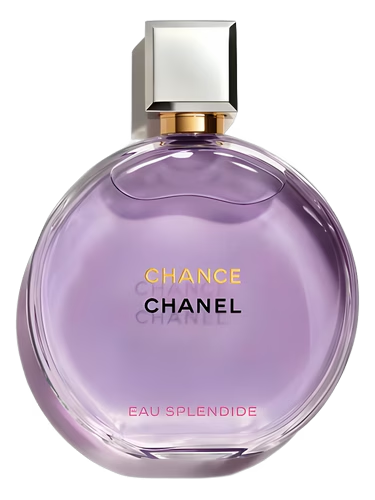
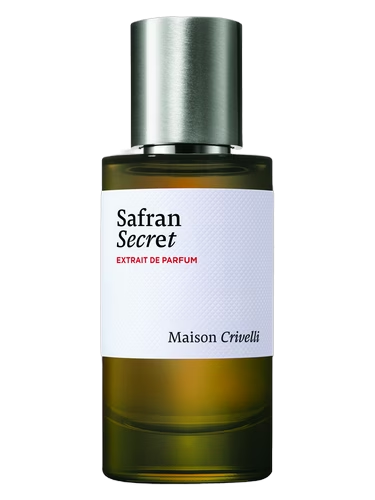
Most Popular Scents Using Cupuasu

What is Cupuasu?
Cupuaçu is a tropical fruit native to the Amazon rainforest and a close relative of cacao, historically valued for its nutrient-rich pulp and seeds used to create chocolate alternatives.What does Cupuasu smell like?
It offers a unique gourmand profile that blends bright tropical fruitiness reminiscent of pear and banana with creamy, chocolate-like, and slightly earthy-acidic nuances.How is Cupuasu essence extracted?
The essence is primarily obtained through the mechanical cold pressing of the fruit's dried seeds, a process that preserves its aromatic compounds and nutrient-rich properties.What are some top perfumes featuring Cupuasu?
Popular fragrances featuring this note include Natura Ekos Frescor Cupuacu, Sol de Janeiro Brazilian Crush Cheirosa 62, and Phebo Cupuacu & Bacuri.When is Cupuasu in season?
The fruit follows a seasonal cycle tied to the Amazonian rainy season, with peak harvesting typically occurring between December and May.