Fragrance Notes Are Layers Of Scent That Are Layered To Form The Final Fragrance. Fragrance Notes Are Categorised Into Three Main Elements Based On How Long They Take To Evaporate, And How Long They Typically Last Following Application: Top Notes, Heart Notes And Base Notes.
Cabernet Grape
Cabernet Grape, belonging to the FRUITS, VEGETABLES AND NUTS group in perfumery, offers a rich and complex aroma profile. It typically features notes reminiscent of ripe blackberry, juicy cherry, and tart currant. Furthermore, it often carries subtle undertones of various spices, adding depth and a sophisticated nuance to the overall fragrance composition.

Origin & Extraction Of Cabernet Grape
The use of grape notes in perfumery traditionally focused on sweet, almost syrupy interpretations. However, the specific incorporation of the "Cabernet Grape" note—which implies the rich, vinous profile of the dark red wine grape—is a more modern development, aligning with the rise of sophisticated gourmand and fruity-chypre fragrances in the late 20th and early 21st centuries. Perfumers began seeking ways to add depth and a mature, intoxicating quality to fruity accords, moving beyond simple sweetness. The complexity of the Cabernet profile, which includes dark fruits like blackberry and cherry alongside subtle spice and tannic undertones, made it an ideal choice for this new, refined fruity trend.
Today, the Cabernet Grape note is often utilized in niche and luxury perfumery to bridge volatile top notes with heavier bases. It serves as an indicator of a rich, textural composition, often paired strategically with notes like patchouli, leather, tobacco, or dark woods to create an opulent and lasting impression. Its inclusion moves the fragrance toward an 'adult' interpretation of fruit, evoking the sensory experience of a fine wine and lending a sophisticated, sometimes decadent, character to the overall scent narrative.
Extraction Methods of Cabernet Grape
The extraction of Cabernet Sauvignon grapes is centered on maceration, a process akin to brewing tea where aromatic compounds, color pigments (anthocyanins), and tannins are transferred from the skins and seeds into the juice. Historically, this was achieved through labor-intensive manual techniques such as "pigeage" (punching down the grape cap with poles or feet) and "remontage" (pumping juice from the bottom over the top). Traditional maceration often includes a cold soak period at 8-12°C to extract color and water-soluble aromas before fermentation begins, followed by extended skin contact for several weeks post-fermentation to polymerize tannins and develop body.
Modern commercial production has introduced advanced mechanical and chemical interventions to optimize efficiency and consistency. Latest methods include "flash-détente" and thermovinification, which use high heat (60-85°C) to rapidly compromise cell walls for maximum phenolic release. Winemakers also employ specialized pectolytic enzymes with cellulase and hemicellulase activities to accelerate the breakdown of skin cells. Innovative technologies like rotary fermenters, Ganimede fermenters, and pulsed electric fields are now used to manage extraction precision, while techniques like "supraextraction" involve freezing grapes to facilitate juice and polyphenol escape upon warming.
The Cabernet Grape note, while relatively modern in perfumery, is sought after for its rich, wine-like depth, which allows it to function as a dark gourmand or a sophisticated fruity anchor in complex compositions. Instead of a typical light fruit top note, it often appears in the heart or base to lend a dense, vinous sweetness reminiscent of dark, aged wine. A notable example celebrating this dark fruit profile is the niche fragrance "Bordeaux Reserve", which uses the Cabernet accord to complement woody and tobacco elements, giving the scent a powerful, velvety texture.
- This note is particularly effective in adding a layer of maturity and complexity to traditionally sweet or linear fruit scents.
In mainstream perfumery, the Cabernet Grape note has been subtly integrated to enrich oriental and spicy fragrances, providing a lift that is simultaneously fruity and deeply resonant. For instance, some contemporary interpretations of classic amber perfumes feature a wine-like grape nuance to cut through the richness of vanilla and patchouli, creating a modern, slightly boozy feel. This usage can be seen in fragrances like "Velvet Vineyard", where the grape note adds a dark, almost jammy sweetness that pairs seamlessly with resins and oud.
Niche perfumers continue to push the boundaries, often showcasing the Cabernet Grape in conjunction with green or earthy notes to emphasize its natural, complex terroir. The sophisticated bitterness inherent in a high-quality grape extract prevents the aroma from becoming overly sugary, instead offering a polished, luxurious impression. Fragrances such as "Dionysian Dusk" use the Cabernet note not just for its fruitiness, but for its subtle, spicy tannins, grounding the composition with a truly unique and memorable signature.
Sustainability Of Cabernet Grape
Sustainability of Cabernet Grape
- Utilizing grape by-products, such as pomace, seeds, and skins, to create bioactive compounds for cosmetics and nutritional supplements, promoting a circular economy and reducing agro-industrial waste
- Implementing organic and biodynamic farming techniques that focus on soil health, biodiversity, and the elimination of synthetic pesticides and fertilizers
- Adopting precision water management strategies, including drip irrigation and rainwater harvesting, to conserve resources in drought-prone viticulture regions
- Reducing environmental impact through the use of lighter-weight glass bottles and eco-friendly packaging materials to lower carbon emissions during transportation
- Integrating renewable energy sources, such as solar panels, into winery operations to decrease the overall carbon footprint of production
- Supporting ethically sourced supply chains by partnering with local cooperatives and certified sustainable vineyards to ensure fair labor practices and environmental stewardship
Trivia
The Cabernet grape was discovered in 1997 to be a "happy accident" of nature, a 17th-century crossbreed between the red Cabernet Franc and the white Sauvignon Blanc.
Most Popular Scents Using Cabernet Grape
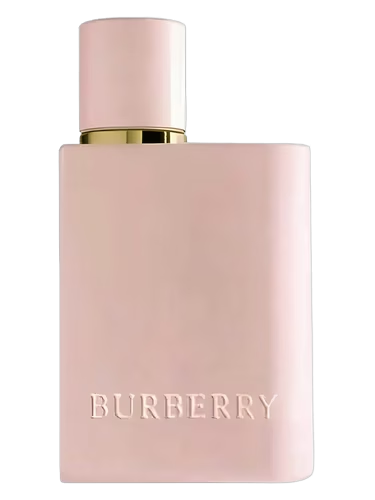
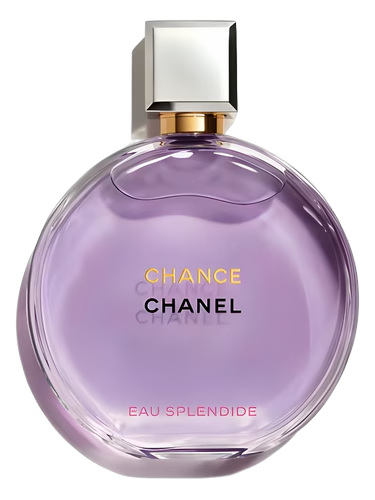
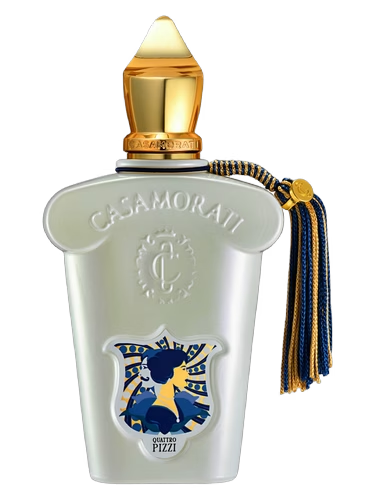
What is Cabernet Grape?
In perfumery, Cabernet Grape is a modern note that captures the rich, vinous, and dark fruit profile of the famous red wine grape, moving beyond simple sweetness to offer a more mature and intoxicating aroma.What does Cabernet Grape smell like?
It features a complex scent profile of ripe blackberry, juicy cherry, and tart currant, often accompanied by subtle spicy undertones and sophisticated, wine-like tannins.How is Cabernet Grape extracted for perfumes?
The aromatic essence is primarily obtained through maceration, where the skins and seeds are soaked in juice to transfer color, tannins, and water-soluble aromas, often utilizing modern techniques like flash-détente to optimize extraction.What are some top perfumes featuring Cabernet Grape?
Notable fragrances include Christian Dior Purple Oud, Tiziana Terenzi Rosso Pompei, Toshovat Annacamento, and Xerjoff Cruz Del Sur II.When is Cabernet Grape in season?
The Cabernet Sauvignon grape is a late-ripening variety with a harvest season typically spanning from late September through early November to achieve optimal sugar balance and phenolic maturity.