Fragrance Notes Are Layers Of Scent That Are Layered To Form The Final Fragrance. Fragrance Notes Are Categorised Into Three Main Elements Based On How Long They Take To Evaporate, And How Long They Typically Last Following Application: Top Notes, Heart Notes And Base Notes.
Maninka
Maninka offers a rich, complex, and exotic fruity aroma, characterized by a boozy, slightly dark plum sweetness. Often recreated synthetically, it adds a warm, sensual depth and an alluring tropical nuance to compositions, blending facets of passion fruit and rum to enhance the mysterious, gourmand appeal of a fragrance.

Origin & Extraction Of Maninka
The Maninka fruit, derived from the Oncoba spinosa tree native to South Africa, has a history in perfumery that is relatively modern compared to classical ingredients. While the fruit itself has historical significance in its native region, its specific use as a distinguished fragrance note only gained international attention in the 21st century. It is valued for its unique, exotic profile that includes facets of dried fruit, passion fruit, rum, and a dark, plum-like sweetness, often being recreated synthetically for consistency and diffusion.
The note was propelled into prominence starting around 2015, most notably with its featured role in the Boss The Scent fragrance line. Maninka was chosen for its seductive, warm, and alluring qualities, which bridge the gap between tropical fruit and gourmand notes. This application established Maninka as a contemporary and complex ingredient, often utilized in luxury and designer perfumes to inject an element of mystery, exotic elegance, and sensual depth into a composition.
Extraction Methods of Maninka
The extraction of maninka aromatic compounds is primarily achieved through steam distillation of its leaves and seeds. Historically, traditional methods in regions like New Zealand involved simple water distillation, where plant matter was immersed in boiling water to separate the volatile oils. Some artisanal processes also utilized maceration and infusion techniques to capture the plant's unique therapeutic and fragrant properties.
Modern commercial production favors steam distillation for its efficiency and ability to preserve delicate aromatic constituents. In this process, pressurized steam passes through the maninka plant material, vaporizing the volatile oils which are then condensed and separated from the water. Advanced techniques such as supercritical CO2 extraction are also being explored to produce highly concentrated extracts without the use of chemical solvents, maintaining the integrity of the plant's antimicrobial and antibacterial properties.
The Maninka note, prized for its seductive, exotic profile blending tropical fruit, rum, and dark plum sweetness, was significantly popularized by the Hugo Boss fragrance line. It serves as the defining, alluring centerpiece in the men's fragrance, Boss The Scent (2015). In this creation, the unique Maninka fruit is paired with leather and spices like ginger and lavender to create a warm, deeply sensual, and masculine scent that established the note's contemporary relevance in mainstream designer perfumery.
- The distinct sweetness and warmth of Maninka successfully bridge the gap between fresh top notes and the deeper, resinous base notes often found in oriental and gourmand compositions.
Following the success of the original, Maninka became a signature element, anchoring subsequent flankers in the collection. For instance, in Boss The Scent Private Accord, the Maninka note is intensified and blended with mocha, cocoa absolute, and vanilla, pushing the fragrance further into the gourmand territory while maintaining its inherent seductive quality. Its use demonstrates how a single, unique fruit note can define an entire fragrance pillar, lending complexity and a modern, exotic twist.
- Maninka's ability to be interpreted as both a fruit and a gourmand/boozy element makes it highly versatile in both men's and women's perfumery, offering warmth and depth without heavy florals or overly traditional wood accords.
Beyond Hugo Boss, Maninka has been utilized in other designer and niche compositions seeking a comparable exotic depth. Although often recreated synthetically for stability, its rich aroma—reminiscent of passion fruit and dried plums soaked in rum—offers perfumers a sophisticated alternative to common sweet fruit notes. This complexity ensures that fragrances featuring Maninka, such as the extended line of Boss The Scent releases, achieve an element of mysterious allure and enduring warmth, solidifying its place as a key note in modern sensual fragrances.
Sustainability Of Maninka
Sustainability of Maninka
- Sourcing primarily from the rich soils of Africa, with a focus on manual harvesting techniques that ensure the preservation of the fruit's delicate aromatic profile
- Cultivation is deeply intertwined with local cultures in countries like Burkina Faso, Guinea, Mali, and Senegal, supporting traditional agricultural practices and community livelihoods
- Integration into the global fragrance supply chain by major houses like Givaudan, providing market access for unique African botanical ingredients
- Promoting biodiversity by utilizing the fruit of the Oncoba spinosa tree, a hardy species traditionally valued for its medicinal properties and nutritional value
- Growing industry adoption of biotechnology, including precision fermentation and upcycling fruit by-products, to create eco-conscious versions of exotic notes while reducing the carbon footprint and resource demands of traditional farming
Trivia
The maninka fruit, which smells like strawberries and passion fruit dipped in chocolate, is often called the Fried Egg Tree because its white flowers with yellow centers look exactly like sunny-side-up eggs.
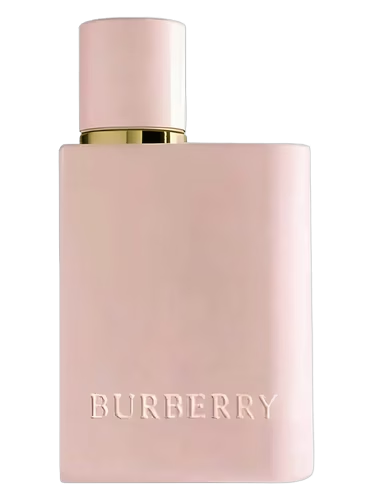
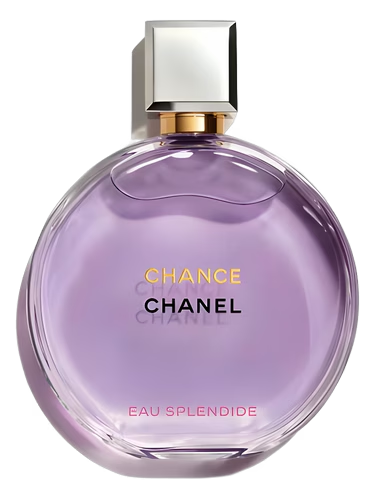
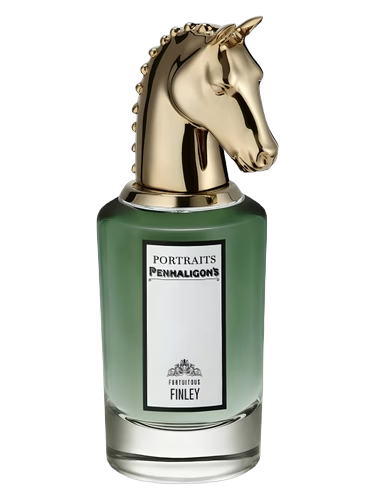
Most Popular Scents Using Maninka
What is Maninka?
Maninka is an exotic fruit from the Oncoba spinosa tree native to Africa, valued in perfumery for its seductive, tropical, and gourmand profile.What does Maninka smell like?
It offers a rich, complex aroma characterized by a boozy, dark plum sweetness with facets of passion fruit, strawberries, and rum.How is Maninka used in fragrances?
Maninka is primarily used as a warm, sensual heart or top note to add mystery and exotic elegance, most notably popularized by the Boss The Scent collection.Is Maninka a natural or synthetic note?
While the fruit exists in nature, the Maninka note used in commercial perfumery is typically recreated synthetically to ensure consistency, stability, and better diffusion.What are some top perfumes featuring Maninka?
Famous examples include Hugo Boss Boss The Scent and its various flankers like Private Accord, Absolute, and Le Parfum.