Fragrance Notes Are Layers Of Scent That Are Layered To Form The Final Fragrance. Fragrance Notes Are Categorised Into Three Main Elements Based On How Long They Take To Evaporate, And How Long They Typically Last Following Application: Top Notes, Heart Notes And Base Notes.
Dried Fruits
Dried Fruits offer a dense, rich, and sweet gourmand aroma, capturing the concentrated sweetness of dates, figs, raisins, and prunes. This scent profile is warm, slightly sticky, and liqueur-like, often presenting deep, honeyed, and sometimes tobacco-like facets, lending body and an indulgent, velvety texture to oriental and chypre bases.

Origin & Extraction Of Dried Fruits
The use of dried fruit aromas in perfumery is often connected to historical practices of flavoring and preserving foods, though as a distinct olfactive note, it became prominent much later. Before modern extraction methods, perfumers sometimes relied on materials with naturally sweet, dense, and slightly boozy facets (like certain balsams or resins) to hint at this profile. The explicit incorporation of rich, concentrated fruit notes—such as fig, date, or prune—gained momentum with the development of complex Oriental, Chypre, and later, Gourmand fragrance categories.
The contemporary interpretation of Dried Fruits in perfumery is largely facilitated by synthesis and specialized extractions that capture the warm, sticky, and liqueur-like character of these ingredients. This note is valued for its ability to add depth, sweetness, and a velvety texture, bridging brighter top notes with deep, heavy bases like amber and tobacco. Its popularity surged, especially in niche and high-end perfumery of the late 20th and 21st centuries, where perfumers sought to introduce rich, evocative gourmand textures for a sensual and long-lasting scent experience.
The extraction of dried fruit essence is fundamentally a process of moisture removal rather than mechanical pressing. Historically, fruit drying dates back centuries, utilizing simple solar dehydration where fresh fruits were exposed directly to the sun for several weeks. Traditional methods also involved labor-intensive pre-treatments such as washing, peeling, coring, and blanching in boiling water or honey syrups to preserve the fruit and prevent spoilage during long-term storage or sea voyages.
Modern commercial production has evolved to include more controlled and efficient techniques. Current methods utilize electronic sorting and mechanical slicers to prepare the fruit, followed by dehydration in high-speed convection ovens or electric dehydrators at temperatures typically ranging from 125 to 140 degrees Fahrenheit. Advanced technologies now include vacuum freeze-drying (lyophilization), which preserves the fruit's structural integrity and bioactivity by removing water at low temperatures, and vacuum sugar infusion, which replaces traditional boiling to reduce nutrient loss while creating a transparent, shelf-stable product.
The Dried Fruits note is crucial in creating depth and a luxurious, gourmand texture in oriental and rich chypre compositions. Because the scent profile—capturing the concentrated sweetness of dates, figs, or prunes—is warm, slightly sticky, and liqueur-like, it is often utilized to add a sophisticated, almost boozy indulgence to the fragrance's heart and base. This note helps transition brighter openings into deeper, sensual drydowns, providing a long-lasting, velvety sweetness distinct from lighter fruit notes.
- A classic example of the dried fruit note's sensual application is in fragrances like
Feminité du Bois
by Serge Lutens, which features dried plums and dates alongside cedar, setting a benchmark for complex, smoky fruit fragrances. Modern interpretations continue this trend, withBlack Afgano
by Nasomatto using a powerful, dense dried fruit accord to support its rich, woody, and resinous structure, lending a dark, almost hashish-like sweetness to the composition.
In contemporary niche perfumery, the Dried Fruits accord is frequently paired with tobacco, leather, and dark spices to enhance its decadent and opulent nature. This combination results in scents that are highly evocative of warm, intimate settings and refined indulgence. For instance, the use of dried fig and raisin notes in scents like
Baccarat Rouge 540
(where the dense, sweet core is often perceived as candied/dried fruit) provides the signature lasting sweetness and slightly sticky texture that contributes to its widespread appeal and projection.- Another prominent use is found in the creation of rich gourmand-orientals, where the dried fruit essence supports notes like vanilla, tonka, and amber. Fragrances like
Angels' Share
by Kilian harness this boozy, dried-fruit character, specifically channeling the aroma of barrel-aged cognac infused with dried spices and dark, sticky fruits, cementing its reputation as an ultra-indulgent and comforting scent for colder weather.
The appeal of Dried Fruits lies in their complexity; they are sweet without being cloying, and their depth makes them highly versatile for both masculine and feminine compositions. Whether used subtly to enrich a leather accord or as the centerpiece of an autumnal gourmand, this note signifies a fragrance seeking warmth, intensity, and a memorable, enveloping sweetness. Its ability to suggest a liqueur or a fine dessert allows perfumers to craft modern classics that feel both timelessly rich and contemporary.
Sustainability Of Dried Fruits
Sustainability of Dried Fruits
- Utilizing energy-efficient sun-drying methods that rely solely on solar rays to reduce fossil fuel consumption and carbon emissions
- Promoting a circular economy by upcycling fresh fruits that would otherwise go to waste, significantly reducing food loss in the fresh market
- Adopting regenerative and organic farming techniques, including the use of recycled compost and minimal synthetic additives to protect local wildlife
- Implementing high-efficiency irrigation systems, such as drip and micro-irrigation, to conserve water resources
- Establishing transparent partnerships and supplier codes of conduct to ensure fair labor practices and improve livelihoods for farming communities
- Transitioning to electric and hybrid vehicle fleets and recycling industrial materials like corrugated wood and batteries to minimize environmental footprints
Trivia
The process of candying citrus peels was originally developed in the 14th century as a medicinal method to preserve the fruit's healing properties for long sea voyages.
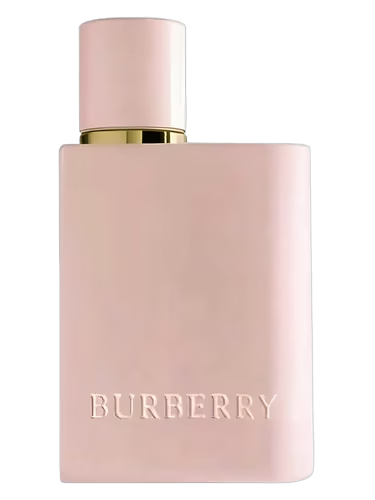
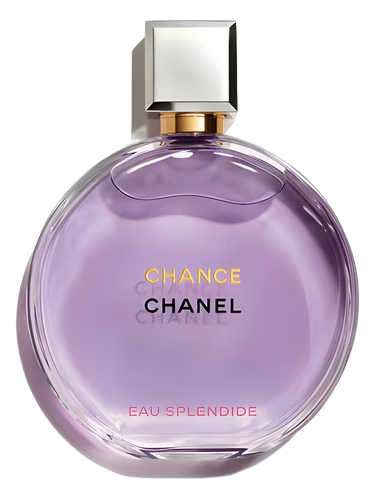
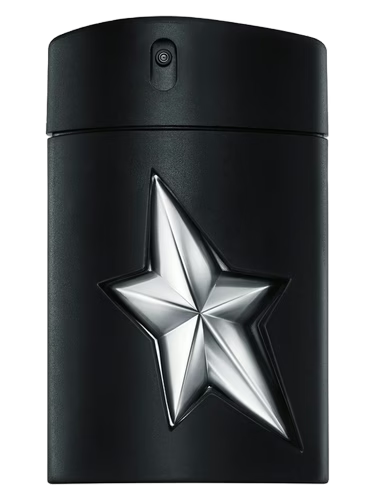
Most Popular Scents Using Dried Fruits
What are Dried Fruit notes in perfumery?
Dried Fruit notes are carefully crafted accords that replicate the dense, sweet, and concentrated aroma of preserved fruits like dates, figs, raisins, and prunes.What do Dried Fruits smell like?
They offer a rich, warm, and slightly sticky gourmand profile with liqueur-like, honeyed, and sometimes tobacco-like facets that add a velvety texture to fragrances.How is the scent of Dried Fruits extracted?
The essence is primarily obtained through dehydration methods like sun-drying or modern convection ovens, while the fragrance note is often recreated using synthesis and specialized extractions to capture its boozy, concentrated character.What are some top perfumes featuring Dried Fruit notes?
Iconic fragrances include Tom Ford Tobacco Vanille, Serge Lutens Feminite du Bois, By Kilian Angels' Share, and Nasomatto Black Afgano.When is the best time to use fragrances with Dried Fruit notes?
Due to their warmth, intensity, and deep sweetness, these notes are especially popular in oriental and gourmand compositions designed for colder weather and evening wear.