Fragrance Notes Are Layers Of Scent That Are Layered To Form The Final Fragrance. Fragrance Notes Are Categorised Into Three Main Elements Based On How Long They Take To Evaporate, And How Long They Typically Last Following Application: Top Notes, Heart Notes And Base Notes.
Pumpkin
Pumpkin offers a warm, cozy, and rich gourmand aroma, blending the earthy scent of the gourd with hints of caramelized sugar and roasted warmth. It is often elevated by a subtle blend of autumn spices (cinnamon, nutmeg) and sometimes grounding woody notes like cedar, creating an inviting, comforting, and sweet fragrance.

Origin & Extraction Of Pumpkin
The use of the Pumpkin note in fine perfumery is a relatively modern phenomenon, gaining traction primarily with the rise of the gourmand fragrance category in the late 20th and early 21st centuries. Unlike classical notes such as rose or citrus, which have histories dating back centuries, pumpkin's olfactory relevance is tied to cultural associations, particularly the American tradition of pumpkin spice and seasonal treats. Prior to the gourmand boom, raw or cooked vegetable scents were rarely incorporated, but the desire for novel, comforting, and edible aromas allowed pumpkin—often stylized as a complex "pumpkin spice" or "pumpkin pie" accord—to find a dedicated niche, representing warmth, coziness, and autumn.
In perfumery, the pumpkin note is seldom derived directly from the gourd but is instead built using synthetic molecules and rich natural extracts. This allows perfumers to emphasize the creamy, sweet, and caramelized aspects, often blending them with notes of cinnamon, nutmeg, clove, vanilla, and sometimes woody base notes like cedar or sandalwood to create a realistic and enduring autumn-themed scent profile. Its popularity demonstrates a broader trend in the industry toward evocative, narrative-driven fragrances that capture specific, comforting culinary memories rather than traditional floral or oriental themes.
Extraction Methods of Pumpkin
Historically, the extraction of pumpkin seed oil and essence relied on traditional mechanical pressing (squeezing) and simple manual separation. For oil production, seeds were often steamed or roasted at high temperatures before being pressed to rupture oil cells, though this could result in darker pigments and burnt notes. For culinary or medicinal purposes, seeds and pulp were manually separated using water-based filtration methods, or seeds were dehydrated at low temperatures to allow the dried pulp to be flaked off easily.
Modern commercial and scientific techniques have introduced more efficient and sustainable methods. The aqueous enzymatic method utilizes complex enzymes and buffer solutions to degrade cell walls and release oil without high heat, preserving nutrient content. Advanced green chemistry approaches include supercritical fluid extraction (SFE) using carbon dioxide and subcritical water extraction (SWE) to capture bioactive compounds like carotenoids and phenolics from the peel and pulp. Additionally, innovative industrial machinery now automates the separation of seeds from the fruit, while ultrasound-assisted and microwave-assisted extractions are employed to maximize yields using green solvents like vegetable oils.
The Pumpkin note, highly evocative of autumn and comfort, is predominantly featured in gourmand and seasonal fragrances. While not a historical staple like traditional florals or resins, its modern popularity in niche and indie perfumery often capitalizes on the cultural association with pumpkin spice and baked goods. These fragrances aim to capture a complex, comforting warmth, typically blending the creamy, earthy gourd aroma with heavy spices.
- The note gained significant mainstream recognition through niche releases focused on capturing atmospheric, seasonal scents. One highly regarded example that features this note, often interpreted as a "pumpkin pie" accord, is **Autumn Vibes** by Replica Maison Margiela. This fragrance uses the pumpkin note to enhance a warm, slightly spicy, and woody composition that evokes the sensory experience of a crisp, fall day.
For a richer, more spiced interpretation, the pumpkin accord is often paired with heavy oriental elements. In fragrances like **Dolce &Gabbana The One Mysterious Night**, while the primary focus is on rose and amber, subtle use of a spice-heavy pumpkin or gourd accord can lend a unique, creamy sweetness and earthy depth, adding an unexpected gourmand texture that provides warmth and longevity to the evening scent.
- Another notable modern usage is found in **Demeter Fragrance Library's Pumpkin Pie**, a scent designed for a simple, photorealistic experience. This fragrance demonstrates the note’s versatility, moving beyond abstract art to embrace direct, comforting culinary realism, confirming the note's status as a contemporary favorite for wearable food-inspired aromas.
The rise of the pumpkin note signifies a shift toward narrative-driven perfumery, where scents are designed to evoke specific memories and feelings. This trend is further supported by numerous independent houses and limited-edition releases, all leveraging the sweet, caramelized, and spicy facets of pumpkin to create inviting, cozy, and distinctive autumn and winter fragrances, often blended beautifully with vanilla, cinnamon, and ginger for a complete gourmand effect.
Sustainability Of Pumpkin
Sustainability of Pumpkin
- Reducing environmental impact by diverting pumpkins from landfills to aerobic composting, which prevents the release of potent methane gas
- Promoting a circular economy by upcycling processing side-streams, such as roasting seeds for snacks or dehydrating rinds into nutrient-dense chips
- Supporting local agriculture and biodiversity by donating unpainted, uncarved pumpkins to farms and zoos as a nutritious feed source for livestock and wildlife
- Implementing ethical sourcing and sustainable farming practices, including long-term partnerships with local growers to minimize transportation emissions and ensure full traceability
- Advancing resource efficiency through the cultivation of climate-resilient varieties and utilizing solar-powered facilities to achieve carbon-neutral processing
- Encouraging zero-waste habits by repurposing hollowed pumpkins as biodegradable planters or festive decor that can be returned to the soil after use
Trivia
Despite its name, pumpkin spice typically contains no actual pumpkin, as the signature aroma is created entirely through a blend of cinnamon, nutmeg, ginger, and cloves.
Most Popular Scents Using Pumpkin
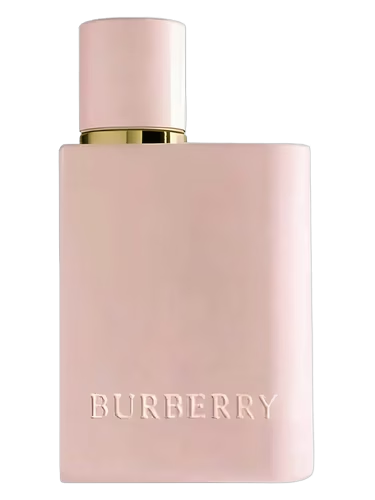
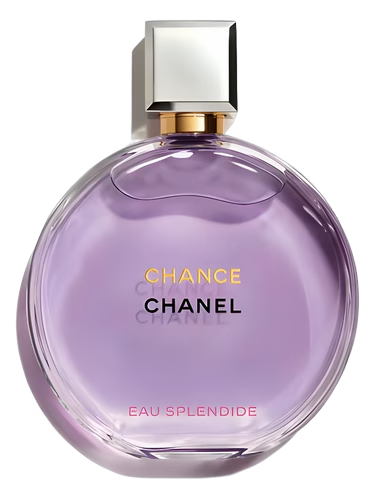
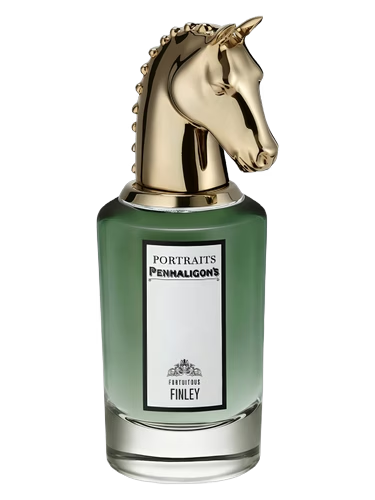
What is the Pumpkin note?
The Pumpkin note is a warm, cozy gourmand aroma that captures the earthy scent of the gourd, often enhanced by caramelized sugar and autumn spices like cinnamon and nutmeg.What does Pumpkin smell like?
It offers a sweet, rich, and creamy profile with earthy undertones, frequently evoking the nostalgic scent of freshly baked pumpkin pie or roasted seeds.Is the scent of pumpkin natural or synthetic?
In fine perfumery, the pumpkin note is rarely derived directly from the fruit; it is typically reconstructed using synthetic molecules and natural spice extracts to emphasize its creamy and sweet facets.How is pumpkin essence traditionally extracted?
Historically, essence and oil were obtained through mechanical pressing of the seeds, while modern methods use green chemistry like supercritical fluid extraction to capture compounds from the pulp and peel.What are some top perfumes featuring Pumpkin?
Notable fragrances include Etat Libre d'Orange Like This, Le Monde Gourmand Pumpkin Crème, Replica Autumn Vibes, and Demeter Pumpkin Pie.When is Pumpkin in season?
Pumpkins are a quintessential autumn crop, reaching their aromatic peak during the harvest months of mid-September through November.