Fragrance Notes Are Layers Of Scent That Are Layered To Form The Final Fragrance. Fragrance Notes Are Categorised Into Three Main Elements Based On How Long They Take To Evaporate, And How Long They Typically Last Following Application: Top Notes, Heart Notes And Base Notes.
Apricot
A delightfully fuzzy and soft fruity note, capturing the warm, velvety texture and juicy sweetness of ripe apricots. It often presents with lactonic facets, lending a creamy, milky quality, alongside subtle soft animalic nuances which give it depth and a skin-like warmth in fragrance compositions.
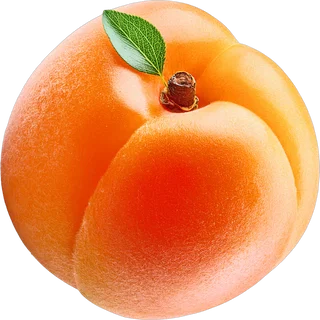
Origin & Extraction Of Apricot
Apricot, as a distinct fragrance note, rose to prominence in perfumery by offering a soft, warm, and inviting fruit accord. While the use of fruit notes dates back centuries, the specific articulation of apricot’s velvety, lactonic (creamy) character became particularly refined during the late 20th century. Its popularity grew as perfumers sought alternatives to sharper, more volatile citrus top notes, utilizing apricot to provide a gentle, honeyed transition into the heart of a fragrance. This note's versatility made it a key component in classic scents, helping to mellow strong florals and add a golden, sun-drenched quality.
In contemporary perfumery, apricot is cherished for its ability to convey a sense of skin-like warmth and gentle sensuality, especially when paired with modern musk and vanilla accords to create trending 'skin-scent' or gourmand compositions. The creamy, slightly animalic facets of the note allow it to be seamlessly integrated into different fragrance families, from fruity-chypres to rich oriental blends. Its modern usage emphasizes its plush texture and intimate sweetness, ensuring it remains a sophisticated and comforting element in fine fragrance design.
The primary method for extracting apricot kernel oil is cold expression (cold-pressing), where kernels are crushed under mechanical pressure at low temperatures to preserve the oil's quality and light-yellow color. Historically, in regions like India and the Himalayas, the oil was manually extracted through a labor-intensive process of hand-grinding and pressing using large heated stones or pestle and mortars (known locally as rThun and Ton-tsig). These ancient techniques are still valued today for producing oil with a more distinctive and potent aroma compared to modern industrial versions.
Modern commercial production has expanded to include more efficient techniques such as solvent extraction (using hexane or ethanol) for higher yields and supercritical CO2 fluid extraction, which captures delicate aromatic molecules without solvent residue. Recent technological advancements include ultrasound-assisted extraction and microwave radiation methods, which significantly shorten processing times and improve thermal efficiency. Additionally, enzyme-assisted extraction—using pectinase or cellulase to degrade cell walls—is employed to enhance oil recovery while maintaining the oil's bioactive integrity.
Apricot is a popular note used to add a plush, creamy, and slightly animalic sweetness to fragrance compositions, particularly in the realm of luminous florals and soft gourmands. One of the most famous historical uses of apricot—or a similar fruit note—is found in the classic composition of Mitsouko by Guerlain, which pioneered the use of soft peach/apricot aldehydes in its structure to create a velvety texture, blending with oakmoss and spice to form its iconic chypre base.
- * * *
In modern perfumery, apricot often appears to enhance the juicy, creamy facets of white florals, lending a luscious, solar quality. For instance, the note is prominently featured in scents like Osmanthus by The Different Company, where the natural apricot facet of the osmanthus flower is amplified, creating a sweet, fruity, and delicately leathery aroma. Another modern example is Culot Thé by Les Eaux Primordiales, which blends tea-like jasmine with apricot, citrus, and spices for a complex and comforting scent profile.
- * * *
The apricot note is also essential in creating modern "skin scents" due to its inherent soft, lactonic, and slightly musky warmth. This creamy dimension makes it suitable for fragrances that aim for an intimate and enveloping aura. It provides a velvety contrast to sharper citrus or green notes, ensuring a smooth transition into the heart of the fragrance, as seen in many contemporary fruity-floral releases that rely on its delicate sweetness for a long-lasting, inviting impression.
Sustainability Of Apricot
Sustainability of Apricot
- Advancing regenerative agriculture and biodynamic farming to restore soil health, increase organic matter, and enhance local biodiversity
- Implementing water conservation strategies such as mulching to reduce evaporation and harvesting rainwater for irrigation to decrease dependence on external sources
- Promoting the circular economy by utilizing compost from local green waste and repurposing agricultural by-products to build soil fertility
- Reducing environmental impact through the adoption of organic practices, including the elimination of inorganic herbicides and pesticides to protect pollinators and ecosystems
- Developing climate-resilient orchards by selecting varieties with specific chill-hour requirements and utilizing sustainable frost protection methods like row covers
- Utilizing biotechnology and green chemistry to create synthetic apricot molecules as an economical and sustainable alternative to natural extracts when natural sourcing is restricted
Trivia
In the 16th century, apricots were widely believed to be powerful aphrodisiacs and were famously featured as a tool for seduction in Shakespeare's A Midsummer Night's Dream.
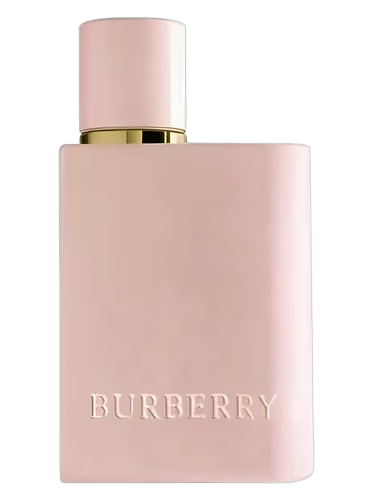
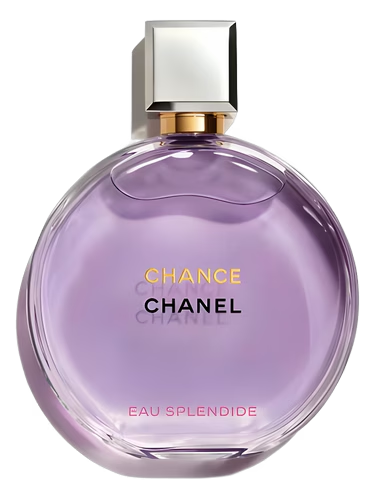
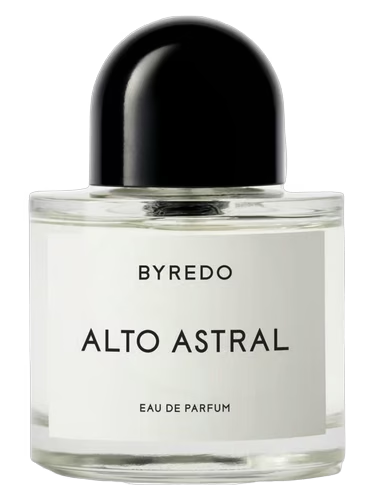
Most Popular Scents Using Apricot
What is the Apricot note?
Apricot is a soft, velvety fruit note used in perfumery to provide a creamy, honeyed sweetness and a sense of skin-like warmth to fragrance compositions.What does Apricot smell like?
It captures a fuzzy, juicy sweetness with lactonic facets that lend a milky quality, often accompanied by subtle animalic nuances for added depth and texture.How is Apricot essence extracted?
While apricot kernel oil is obtained via cold pressing, the fruit's aromatic note is typically a synthetic reconstruction or a fantasy accord created to mimic its plush, sweet profile.What are some top perfumes featuring Apricot?
Popular fragrances featuring this note include Louis Vuitton Pacific Chill, Dior Miss Dior Eau de Parfum, Phlur Apricot Privee, and Zarkoperfume PINK MOLéCULE 090.09.When is Apricot in season?
The fruit typically reaches its peak sweetness and harvest in June, during a short fresh season that spans from early May through July.