Fragrance Notes Are Layers Of Scent That Are Layered To Form The Final Fragrance. Fragrance Notes Are Categorised Into Three Main Elements Based On How Long They Take To Evaporate, And How Long They Typically Last Following Application: Top Notes, Heart Notes And Base Notes.
Plum
Plum offers a luscious, arching, and sensual profile that is soft, fruity, and intensely sweet. It features complex, liqueur-like tones with subtle floral and velvety nuances. Generally used in top and heart notes, it adds depth, warmth, and a sophisticated, slightly woody sweetness to gourmand, oriental, and fruity fragrances.

Origin & Extraction Of Plum
Plum, as a fragrance note, gained significant recognition in classical perfumery during the late 19th and early 20th centuries, particularly within the development of Oriental and Gourmand fragrance families. While the natural fruit aroma is complex and volatile, its rich, dark, and often boozy facets—reminiscent of dried plums (prunes) or plum liqueur—were historically interpreted through synthetic bases and accords. These artificial interpretations were crucial because extracting a true, stable plum oil was difficult. This note provided a luxurious, sensual depth, moving away from simple fruitiness towards a denser, more sophisticated sweetness, notably defining the character of many heavy, velvet-like oriental compositions.
In modern perfumery, the Plum note has experienced a revival, benefiting from advancements in molecular technology that allow for more realistic, juicier, and brighter interpretations alongside the classic dark, smoky facets. Contemporary perfumers use Plum not only to ground oriental fragrances but also to inject a sophisticated, sweet warmth into modern fruity-floral and chypre structures. Its ability to convey both a jammy, intense sweetness and a sophisticated, wine-like depth makes it a versatile component for adding a sense of luscious richness and enduring trail to a variety of modern compositions.
Extraction Methods of Plum
Historically, the extraction of aromatic and bioactive compounds from plums relied on traditional methods such as simple maceration or infusion in solvents like ethanol or propylene glycol. These "folk methods" often involved steeping fresh or dried plum leaves and fruits to capture their phenolic and flavonoid contents. For oil extraction from plum kernels, traditional cold pressing has long been utilized to obtain a safe, high-quality oil rich in unsaturated fatty acids and vitamin E without the use of heat or chemical solvents.
In modern commercial and industrial production, extraction techniques have become significantly more advanced and specialized. Modern methods include hot reflux extraction, microwave-assisted extraction (MAE), and ultrasound-assisted extraction (UAE), which are often used to isolate anthocyanins and antioxidants more efficiently. Recent developments also favor "green technologies" such as supercritical carbon dioxide extraction and accelerated solvent extraction (ASE), which offer higher precision and environmental safety compared to conventional solvent extraction using n-hexane or methanol.
The Plum note is celebrated for its rich, luscious, and often dark character, making it a staple in contemporary fragrances aiming for sensual depth. In modern masculine perfumery, plum provides a sophisticated, sweet counterpoint to powerful, often leather or woody, bases. For instance, **1 Million Lucky** (Rabanne) utilizes the note to add a juicy, sweet layer to its woody composition, ensuring a vibrant and memorable trail. Similarly, **Bad Boy Cobalt Parfum Electrique** (Carolina Herrera) incorporates plum for a subtle richness that complements its electrifying, modern aromatic structure.
Plum has also found a significant place in sophisticated, intense feminine and unisex creations, often lending a luxurious, liqueur-like facet. The note is essential in fragrances that lean toward the gothic or intensely opulent. A prime example is **Black Orchid Eau de Toilette (2023)** by Tom Ford, where the plum note enhances the dark, dense floral and gourmand facets, contributing to the fragrance's velvety and seductive nature. This use highlights the plum’s ability to move beyond simple fruitiness toward a complex, sophisticated sweetness.
In the niche sector, the plum note is explored for its versatile sweet and leathery nuances. Artisanal houses often combine plum with rich materials like amber, incense, or leather to achieve profound textures. **Great Lord** by Vilhelm Parfumerie is noted for its luxurious powdery leather accented by the plum note, showcasing how plum can soften and enrich darker ingredients. Another example of this opulent use is in **Amber Absolutely** (Fort & Manlé), where plum and black currant combine to create a dripping, honeyed amber accord.
Sustainability Of Plum
Sustainability of Plum
- Promoting a circular economy by using easily-recycled cardboard packaging and encouraging composting of organic fruit waste
- Adopting sustainable cultivation practices as plum trees sequester carbon effectively and help improve soil fertility compared to barren land
- Enhancing biodiversity and preventing habitat loss by maintaining plum orchards that provide excellent environments for local wildlife
- Reducing the environmental footprint by prioritizing local, in-season harvests between June and September to minimize transportation-related carbon emissions
- Implementing responsible water management to address the moderate irrigation needs required in major growing regions like California
- Supporting social sustainability through fair labor practices, with workers often earning above minimum wage and operating in safer environments
Trivia
The plum note in perfumery is not actually derived from the fruit itself; instead, it is a synthetic creation made in the lab using damascones, the same family of molecules used to create rose scents.
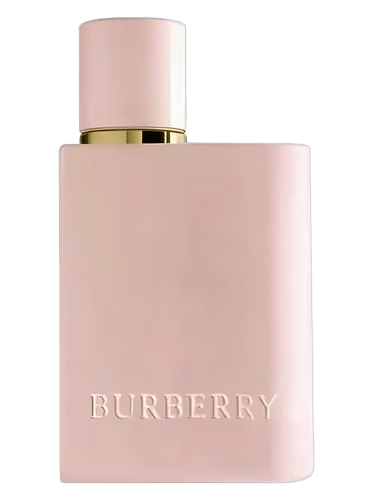
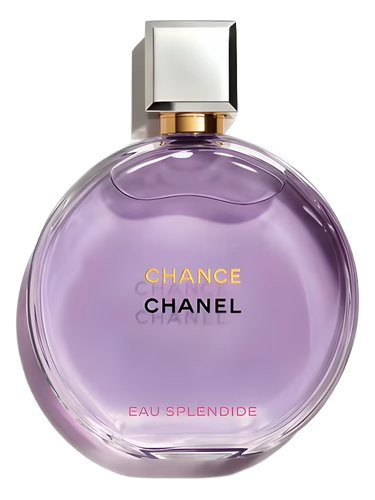
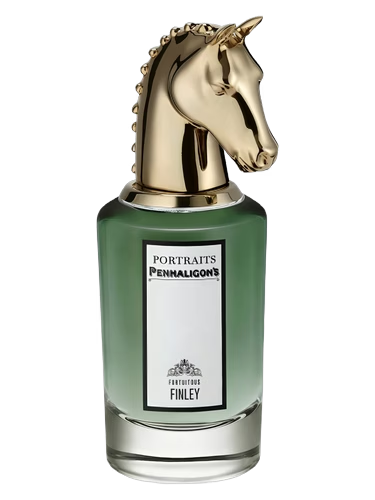
Most Popular Scents Using Plum
What is the Plum note?
Plum is a soft, fruity fragrance note that gained prominence in the late 19th century, especially within the development of Oriental and Gourmand fragrance families.What does the Plum note smell like?
It offers a luscious, sensual, and intensely sweet profile featuring liqueur-like tones, velvety nuances, and a sophisticated, slightly woody sweetness.Is the Plum note natural or synthetic?
The plum note in perfumery is typically a synthetic creation made in a lab using damascones, which are the same family of molecules used to create rose scents.What are some top perfumes featuring Plum?
Notable fragrances include Montale Dark Purple, Tom Ford Plum Japonais, Paco Rabanne Olympea Legend, Marc Jacobs Decadence, and Dior Poison.When is Plum in season?
Plum trees typically bloom in late winter or early spring, with fruit ripening and peak harvest occurring between July and September in the Northern Hemisphere.