Fragrance Notes Are Layers Of Scent That Are Layered To Form The Final Fragrance. Fragrance Notes Are Categorised Into Three Main Elements Based On How Long They Take To Evaporate, And How Long They Typically Last Following Application: Top Notes, Heart Notes And Base Notes.
Green Grape
Green Grape offers a crisp, tart, and distinctly fresh aroma. Unlike sweet grapes, it captures a vibrant greenness with subtle aqueous and slightly acidic nuances, reminiscent of young, unripe fruit. It provides a sharp, invigorating lift, often used in top notes to add a dewy, effervescent, and naturalistic freshness to compositions.

Origin & Extraction Of Green Grape
The history of grape notes in perfumery is complex, as the natural grape aroma often contains volatile compounds that are difficult to capture and stabilize in traditional perfumery. While the cultivation of grapes dates back thousands of years, the use of a true 'Green Grape' note—one that specifically evokes the tart, crisp, and slightly acidic freshness of unripe or white grapes—is a relatively modern development. Historically, perfumery favored sweeter, heavier fruit notes, and if grapes were referenced, it was often through artificial or heavily sweetened accords.
The emergence of Green Grape as a distinct note aligns with contemporary fragrance trends that favor naturalistic, aqueous, and green freshness, moving away from heavy sweetness. This note is often created using synthetic molecules that capture the "dewy" and slightly tart quality of the fruit skin and young pulp. Its modern relevance is in niche and designer fragrances where it serves as a sophisticated, invigorating top note, lending a unique effervescence and naturalistic complexity, distinguishing compositions from traditional, sweeter fruit scents.
Historically, the extraction of oil from green grape seeds was a labor-intensive manual process. Traditional methods involved separating the seeds from the grape pomace (the residue left after winemaking) through agitation in water, followed by sun or oven drying. The oil was then physically squeezed out using simple mechanical presses, such as hydraulic or screw presses. These early techniques were characterized by low efficiency and high residual oil remaining in the seed cakes, but they succeeded in preserving the oil's natural properties by avoiding excessive heat.
In modern commercial production, grape seed oil is primarily obtained through more efficient mechanical and chemical processes. The most common industrial method is solvent extraction using hexane, which offers high yields and the ability to process large volumes. For higher-quality "extra-virgin" or "cold-pressed" oils, advanced screw presses (expellers) are used with strict temperature controls to keep the friction-induced heat below 50°C. This ensures the preservation of heat-sensitive nutrients like Vitamin E and polyphenols without the use of toxic chemicals.
The latest developments in extraction technology focus on sustainability and purity. Supercritical CO2 extraction has emerged as a premium method, using pressurized carbon dioxide to capture delicate aromatic molecules and bioactive compounds without solvent residues. Additionally, "green" bio-based solvents like 2-methyloxolane (2-MeOx) are being introduced as safer, more eco-friendly alternatives to hexane. Innovative techniques such as ultrasound-assisted extraction and subcritical low-temperature extraction are also being utilized to maximize the recovery of the seeds' complex molecular structure while maintaining 100% of their original integrity.
The Green Grape note, valued for its crisp, tart, and naturalistic freshness, has become a key element in contemporary fragrance design, particularly for niche and modern houses seeking a unique, less-sweet fruit opening. For example, the fragrance Muscat Jasmine Tea by Strangers Parfumerie features this vibrant note, positioning it within a sophisticated tea-based composition. Another modern take is found in La Dea Bendata by Nobile 1942, which utilizes Green Grape to add a refined, invigorating lift that distinguishes the scent from traditional citrus-heavy top notes.
While often appearing in unisex or fresh categories, the Green Grape note also lends its tart sweetness to forthcoming fragrances, signaling its growing prominence. One anticipated release is Muscat Blanc Fleurs de Cerisier from L'Occitane en Provence, which suggests a blend of the Green Grape's profile with delicate cherry blossom florals for a feminine, airy composition. This note’s ability to evoke both greenness and subtle fruitiness makes it ideal for capturing natural, dewy complexity.
The versatility of Green Grape is evident in its application across various fragrance styles. In the United States, independent perfumers have embraced the note to create unique, evocative scents like My Greek Lover from UNTAMED and Copper Dream by Damask Haus. These examples demonstrate how the crisp, slightly acidic quality of Green Grape provides a sophisticated structure, moving beyond simple fruit scents to add effervescence and depth to the overall fragrance profile.
Sustainability Of Green Grape
Sustainability of Green Grape
- Adopting advanced upcycling processes to transform wine production waste, such as pomace, grape seeds, and stalks, into high-value active ingredients for cosmetics and fragrances
- Promoting a circular economy by repurposing agricultural side-streams otherwise destined for waste to reduce the environmental impact of vineyards
- Sourcing ingredients through sustainable and ethical means to respect biodiversity and ensure long-term ecological health
- Utilizing green chemistry and innovative extraction methods to minimize waste, optimize energy efficiency, and reduce reliance on harmful solvents
- Supporting regenerative agriculture and fair trade practices through partnerships with local farming communities and cooperatives
Trivia
In some cultures, green grapes are not just a popular fruit but are considered sacred symbols of prosperity and abundance, often being associated with significant celebrations and festivals to invite good fortune.
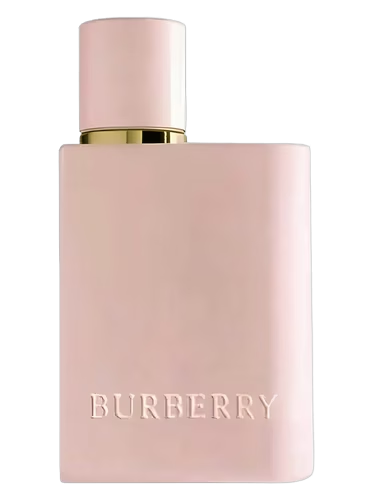
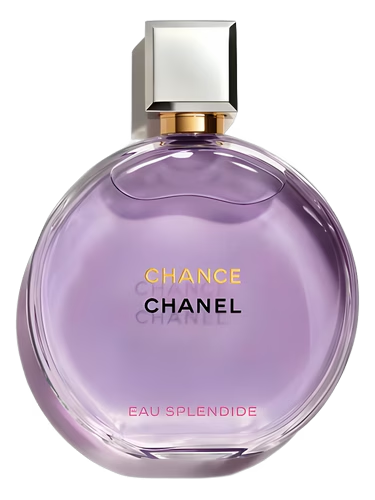
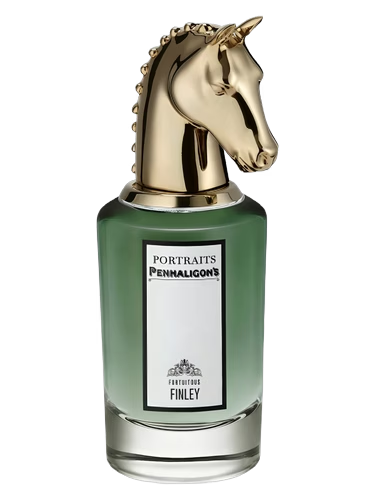
Most Popular Scents Using Green Grape
What is Green Grape?
Green Grape is a modern fragrance note that evokes the crisp, tart, and naturalistic freshness of unripe or white grapes, often used to provide a dewy, effervescent top note.What does Green Grape smell like?
It offers a vibrant green, aqueous, and slightly acidic aroma that is sharp and invigorating, distinguishing it from the heavier sweetness of traditional grape accords.How is the Green Grape note created?
While grape seed oil is extracted mechanically, the specific aromatic profile of Green Grape in perfumery is typically achieved through synthetic molecules that capture its delicate, dewy quality.What are some top perfumes featuring Green Grape?
Popular fragrances featuring this note include Strangers Parfumerie Muscat Jasmine Tea, Nobile 1942 La Dea Bendata, Liis Studied, and Amouage Imitation Woman.When is Green Grape in season?
In temperate regions, the fruit typically peaks between August and October, while tropical climates can support harvests between November and May.