Fragrance Notes Are Layers Of Scent That Are Layered To Form The Final Fragrance. Fragrance Notes Are Categorised Into Three Main Elements Based On How Long They Take To Evaporate, And How Long They Typically Last Following Application: Top Notes, Heart Notes And Base Notes.
Pinot Noir Grapes
Pinot Noir Grapes offer a refined and complex vinous aroma, blending bright, juicy red fruit notes (black cherry, plum) with sophisticated earthy undertones (forest floor, mushroom) and a subtle, dark spiciness (cinnamon, clove, black tea). It provides depth, complexity, and elegant allure to a composition.

Origin & Extraction Of Pinot Noir Grapes
The use of grape and vinous notes in fine perfumery is a modern and often conceptual development, primarily driven by niche and artisanal houses seeking to evoke complex, layered aromas beyond traditional fruit profiles. Pinot Noir, specifically, is a reference to the wine derived from the grape, valued not just for its sweet, juicy fruit facets (black cherry, plum) but for the sophisticated earthy, mushroom, and subtle spicy notes (often called 'forest floor' or 'sous-bois') that define the great red wines of Burgundy. Because the aromatic profile is so complex and requires advanced synthesis to capture its vinous depth without smelling purely alcoholic, it does not share the long history of essential oils like rose or citrus.
Therefore, Pinot Noir Grapes, as a recognized note, is a 21st-century addition to the perfumer's palette, reflecting a trend toward gourmand and experiential fragrances that mimic refined culinary or beverage profiles. Its relevance lies in its ability to anchor fresh fruit notes with an earthy, slightly dark complexity, offering depth and elegance. It is strategically used in contemporary compositions to create a sense of richness, maturity, and sophisticated warmth, often found in high-end, complex fruit chypre or woody aromatic structures.
The extraction of color, tannins, and aromatic compounds from Pinot Noir grapes is primarily achieved through maceration, a process often likened to brewing tea. Historically, traditional methods like pigeage (manual punching down of the grape cap by hand, pole, or foot) and pigeage in open-top wooden vats have been used to manage the thin-skinned fruit and coax out its delicate pigments. Because Pinot Noir has low concentrations of anthocyanins and tannins, winemakers often employ a "cold soak" (cold maceration) before fermentation, holding the must at low temperatures for several days to extract water-soluble flavors and color without the presence of alcohol.
Modern and advanced techniques have introduced more specialized ways to optimize extraction. These include "ACE" (Accentuated Cut Edges) maceration, which involves cutting grape skins into small fragments to increase the surface area for phenolic release, and "PEACE" maceration, where these fragmented solids are pressed early. Other contemporary methods include the use of rotary fermenters to mechanically agitate the must, and "délestage" (rack and return), where juice is drained and then pumped back over the skin cap to aerate and cool the ferment. Experimental methods also explore using dried grape marc powder or enzymes to enhance the body and tannin structure of the wine.
The Pinot Noir Grapes note, prized for its complex blend of juicy red fruits (black cherry, plum) and sophisticated earthy-vinous undertones, is primarily utilized in modern niche and designer compositions seeking to evoke a sense of luxurious complexity and warmth. Because it mimics the full profile of a high-end red wine, it offers more depth and maturity than simple fruit notes, making it ideal for unique gourmand and woody aromatic structures.
- One notable example of a fragrance incorporating this distinct note is **Malbec Noir** by O Boticário, a masculine scent launched in 2015 that leverages the dark, spicy facets of the grape to complement a strong, woody base.
- The note also appears in unexpected contexts, such as **Guess 1981 Indigo for Women**, launched in 2018, where the vinous complexity provides a sophisticated, dark-fruit twist to a feminine composition.
The contemporary relevance of Pinot Noir Grapes lies in its versatility across different fragrance genres. It can anchor lighter, fruit-forward scents by lending them an elegant, slightly dark complexity, or it can enhance the richness of deeper, warmer oriental or woody fragrances. The subtle hints of "forest floor" and spice inherent in the note are often used to bridge the gap between fresh top accords and tenacious base materials.
- The unisex fragrance **Serenity** by Pure Sense (2020) further demonstrates this versatility, showcasing how the note contributes to a balanced, meditative scent profile, suggesting both natural ripeness and refined, aged character.
As perfumery continues its trend toward experiential and conceptual aromas, notes like Pinot Noir Grapes remain popular, allowing creators to tell complex stories. By capturing the essence of a fine wine, the note adds an immediate connotation of luxury, maturity, and sensual depth, ensuring its continued adoption in high-end releases aimed at a sophisticated, modern audience.
Sustainability Of Pinot Noir Grapes
Sustainability of Pinot Noir Grapes
- Adopting regenerative farming techniques such as cover cropping, composting, and the use of biochar to enhance soil health and promote microbial diversity
- Implementing water conservation measures including precision drip irrigation, dry farming, and the use of drought-tolerant rootstocks to mitigate climate change impacts
- Achieving environmental certifications like LIVE, Salmon-Safe, and Napa Green to ensure responsible land stewardship and protection of aquatic biodiversity
- Transitioning toward carbon neutrality by investing in solar and wind power, utilizing biodiesel, and participating in initiatives like the Race to Zero
- Promoting a circular economy through glass bottle reuse programs, cork recycling, and upcycling winery greywater for non-potable irrigation
- Reducing chemical reliance by employing integrated pest management, natural predators like raptors and owls, and innovative UV-C light technology for disease control
Trivia
The name Pinot Noir is derived from the French words for pine and black, referring to the grape's dark color and its tightly packed clusters that remarkably resemble pine cones.
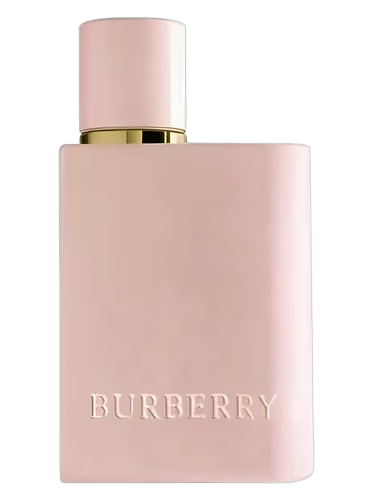
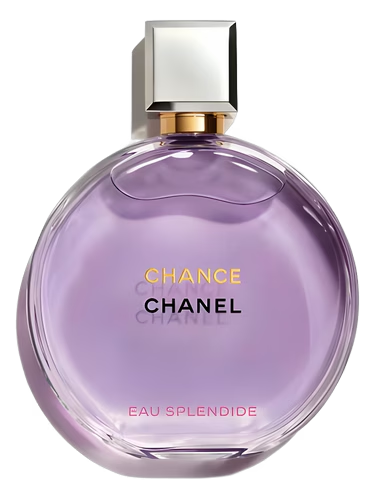
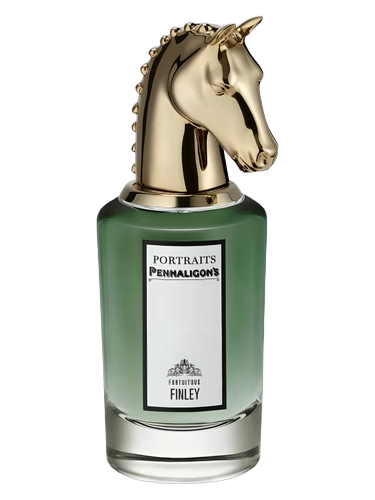
Most Popular Scents Using Pinot Noir Grapes
What are Pinot Noir Grapes?
Pinot Noir Grapes are a variety of Vitis vinifera used in perfumery to create a refined, vinous note that captures the essence of the famous Burgundy red wine.What does Pinot Noir Grapes smell like?
It offers a complex aroma of juicy red fruits like black cherry and plum, blended with earthy undertones of forest floor and mushroom, and a subtle dark spiciness.How is the Pinot Noir Grapes note extracted for perfume?
The aromatic profile is primarily achieved through maceration or advanced synthesis to capture the depth of the fruit and its vinous characteristics without a purely alcoholic scent.What are some top perfumes featuring Pinot Noir Grapes?
Notable fragrances include ROAlìv Pinot Noir, Guess 1981 Indigo, Les Liquides Imaginaires Bloody Wood, and Bohoboco Red Wine Brown Sugar.When are Pinot Noir Grapes in season?
The annual cycle begins with winter dormancy, followed by bud break in spring, and concludes with a harvest season typically spanning from late August through October.