← Back to Fragrance Notes
Orange
CITRUS SMELLS

Orange

Odor Profile

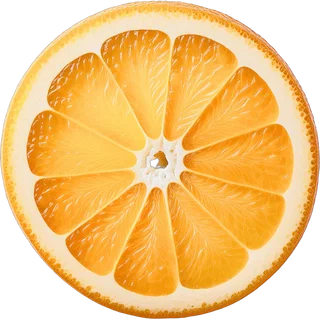
The scent of Orange in perfumery is bright, juicy, and sweetly refreshing, often used to create vibrant top notes. It delivers a sparkling, cheerful, and slightly tangy aroma, reminiscent of the freshly peeled fruit. This versatile note adds immediate energy and luminosity to compositions, frequently appearing in citrus, floral, and oriental fragrance families.

History

The bright, juicy, and cheerful aroma of Orange is a historical staple in perfumery, particularly central to the development of the Classic Citrus and Eau de Cologne structures. Orange oil was a crucial component in the very first colognes, valued for providing an uplifting sweetness and luminosity that balanced the sharper zest of notes like lemon and bergamot. Its use as an ideal, immediate top note established it as an essential ingredient, lending immediate energy and a sense of cleanliness to compositions across centuries.

In modern perfumery, the Orange note has evolved beyond its traditional top-note role. It is now frequently used to lend a warm, almost candied effect, often appearing in conjunction with gourmand or amber accords. This allows the scent to transition seamlessly, providing a vibrant, sunny lift that prevents complex oriental or heavy compositions from becoming dense, thereby showcasing its versatility as both a refreshing opener and an enveloping, sweet heart note.

Famous Perfumes

The Orange note is indispensable in the world of modern perfumery, offering a burst of sweet, bright, and refreshing energy. It is a key component in contemporary feminine fragrances that seek to balance floral richness with an invigorating top note. A perfect example is the inclusion of the note in fragrances like **Valentino Voce Viva Eau de Parfum**, where Mandarin and Orange Blossom contribute to a sparkling, luminous opening, setting a vibrant stage for the white floral heart and warm base.

  • *

In classical perfumery, orange and its related elements (such as Neroli and Petitgrain) are foundational to the Eau de Cologne structure. The essential oil of the orange peel provides a cheerful and instantly recognizable aroma that is central to many timeless scents. Today, brands continue this tradition while modernizing the note, often pairing it with creamy, gourmand, or intense oriental accords for added depth. The versatility of Orange allows it to blend seamlessly into almost any composition.

  • *

The combination of orange notes with other ingredients can create contrasting and complex fragrance profiles. For instance, in deeper or more intense perfumes, orange zest or blood orange can be used to slice through richer notes, preventing them from becoming too heavy. In a scent like **Yves Saint Laurent Libre Eau De Parfum**, the Orange Blossom works alongside Lavender to create a powerful, structured floral-aromatic signature, demonstrating how the citrus note can add complexity and brightness even to bold, statement-making scents.

Origin

Southern China, Northeast India, and Myanmar

Extraction

Cold-pressed

Extraction Description

Extraction Methods of Orange

The primary method for extracting orange essential oil is cold expression (mechanical pressing) of the fresh fruit peel. This process involves rupturing the oil glands in the flavedo to release the volatile oils while avoiding the high heat that can degrade its bright, zesty aroma. Historically, this was a labor-intensive manual task using the "sponge method," where rinds were pressed against sponges to collect the oil, or the "ecuelle a piquer" method, which involved rolling the fruit in a bowl lined with sharp needles to puncture the oil sacs. Traditional steam distillation and hydrodistillation have also been used for centuries, though they are often noted for producing a different aromatic profile due to thermal exposure.

Modern commercial production has transitioned to high-speed mechanical peelers and centrifugal separators to efficiently isolate the oil from the resulting emulsion. Recent advancements focus on improving yield and preserving delicate bioactives through technologies such as microwave-assisted extraction, ultrasonic-assisted extraction (UAE), and supercritical CO2 refinement. These latest methods aim to reduce processing time and environmental impact while delivering a high-purity, therapeutic-grade essence suitable for perfumery and aromatherapy.

Did You Know?

Sweet orange is a hybrid between a mandarin and a pomelo that only came into existence in Europe and China during the 11th century.

Top Perfumes

Atelier Cologne Orange Sanguine, Hermès Eau d'Orange Verte, Guerlain Aqua Allegoria Mandarine Basilic, Louis Vuitton Afternoon Swim, Acqua di Parma Blu Mediterraneo Arancia di Capri, Jo Malone London Orange Blossom, Diptyque Eau des Sens, Clinique Happy, Hermès Eau des Merveilles, Byredo Sundazed

Sustanability

Sustainability of Orange

  • Utilizing circular economy principles through the RE program, which focuses on repair, refurbishment, returns, and recycling to extend device lifespans
  • Achieving significant carbon reductions by prioritizing refurbished network equipment, which generates up to 90% fewer CO2 emissions than new hardware
  • Implementing eco-design strategies to create products like the Livebox 7, featuring fully recycled and recyclable shells and energy-efficient standby modes
  • Promoting zero-waste initiatives by repurposing industrial side-streams, such as using leftover citrus peel and pulp for essential oil extraction and animal feed
  • Supporting smallholder farmers and local communities through cooperatives that ensure fair pricing, ethical labor conditions, and socio-economic resilience
  • Adopting organic farming and integrated pest management to reduce reliance on synthetic chemicals and protect local biodiversity in growing regions

Seasonality

In perfumery, orange is a highly versatile and transitional note that adapts across all four seasons depending on its specific variety and the supporting accords used. Its zesty, refreshing character makes it a quintessential choice for spring and summer, where sweet orange and mandarin provide a bright, energizing burst that mirrors the blossoming and sunlit atmosphere of these months. As a "trans-seasonal" note, orange also transitions beautifully into autumn and winter; when paired with warm woods, spices like cinnamon and clove, or gourmand elements like vanilla and chocolate, it creates a cozy, cozier profile suitable for cooler weather. While its raw citrus profile evokes the freshness of spring awakenings, its ability to anchor deeper compositions allows it to be worn year-round, serving as either a revitalizing summer staple or a warm, festive accent during the winter holidays.