
- Key Takeaways
- The science of a perfume headache
- Identifying your personal triggers
- Not all scents are equal
- How to wear fragrance without pain
- Finding your gentle fragrance
- The industry’s role in scent sensitivity
- Conclusion
- Frequently Asked Questions
- What causes a perfume headache?
- How can I identify if a specific scent triggers my headaches?
- Are natural perfumes less likely to cause headaches?
- Can I prevent perfume headaches without stopping fragrance use?
- What are common perfume ingredients that cause headaches?
- How do I find a gentle fragrance?
- Does the perfume industry address scent sensitivity?
Key Takeaways
- Perfume headaches are often caused by chemicals and strong smells that overwhelm the senses and induce pain, particularly in susceptible people.
- Recognizing your own triggers with scent journaling and patch testing enables you to make wiser fragrance decisions and steer clear of headache or allergy inducing smells.
- Lighter, natural or single note fragrances are generally softer and less likely to induce headaches than heavy, complex or synthetic ones.
- Spray lightly and never in confined spaces for a perfume headache.
- Diving into hypoallergenic or fragrance-free alternatives provides solace for individuals with sensitivities and fosters a more comfortable and satisfying scent journey.
- By championing ingredient transparency and celebrating brands that offer a clean, inclusive fragrance choice, we can all help create a safer fragrance future.
A perfume headache is a type of headache that some people get after smelling strong fragrances. Most experience a stinging or pulsing pain shortly after exposure, occasionally accompanied by nausea or vertigo.
Common triggers are some perfume ingredients or elevated scent levels in confined spaces. People tell me how even a beloved fragrance can become a curse.
To assist with this, knowing causes and easy measures can be a huge aid.
The science of a perfume headache
Perfume headaches aren’t just because you think a scent stinks. They are an actual reaction that occurs when the body encounters specific chemicals in the air. For a lot of folks, perfumes and other heavy scents trigger migraines and more. The culprit is commonly due to volatile organic compounds, or VOCs, utilized in scent creation.
These chemicals, natural and synthetic, suffuse the air with fragrance but can agitate the senses and nervous system.
1. Chemical culprits
Most perfumes are built upon a cocktail of chemicals. Certain common offenders like phthalates, parabens, and synthetic musks are present in many fragrances. Phthalates make scents stick around, but they can be a nuisance for those with sensitivities. Other synthetics, like aldehydes, make the scent crisper but can give you a headache or an allergic reaction.
Allergens are yet another issue. While scents may feature natural extracts or essential oils, these can cause allergic reactions. Others react to linalool (lavender), benzyl alcohol, or eugenol (clove oil). These chemicals can cause skin rashes, sneezing, and pounding headaches.
Research indicates that roughly 20 percent of Americans experience health issues from fragrance exposure, and around 33 percent of adults abroad report scent sensitivity. Toxic chemicals in perfumes can cause more than headaches. Eventually, they could impact breathing, hormones, or even moods. Long-term exposure brings up concerns about general health, particularly for those who are sensitive to specific aromas.
2. Nerve overstimulation
Scents are transmitted to the brain by the olfactory nerve. If a perfume is strong, it can overstimulate this nerve and cause pain. Your trigeminal nerve, which assists in sensing pain and temperature, becomes part of the equation and this can lead to pulsating pain on one side of your head.
Symptoms of nerve overstimulation exceed headaches. Some get dizzy, nauseated, or photosensitive. Migraine sufferers are particularly vulnerable, with as many as 90 percent indicating that specific smells, notably perfume, trigger an episode.
Each of us has a different scent threshold. A floral perfume might not bother you but could trigger it for me. The more powerful the fragrance, the more prone you are to an issue.
3. Hormonal disruption
Certain of these fragrance chemicals can throw off the body’s hormone balance. Phthalates and synthetic musks have been associated with alterations in the endocrine system, which controls hormones. These chemicals can mimic or block natural hormones, creating subtle shifts that add up over time.
Signs of this disruption may be subtle. Mood swings, exhaustion, or headaches can suggest a more serious underlying source. Frequent dousing in chemical-heavy perfumes can exacerbate or prolong these symptoms.
4. Allergic responses
While perfume allergies can manifest as headaches, they can cause rashes, sneezing, and breathing difficulties. Sensitive individuals can experience these effects even with a small amount of scent.
Allergic reactions are different. Some cause just a poke in the noggin, while others can deliver a full-on migraine or suffocation. It’s hard to directly connect symptoms to exposure to fragrance, but allergy testing can help identify triggers.
Respiratory symptoms are common, particularly in congested areas with a multitude of aromas floating about. This can render common areas difficult for those with scent sensitivities.
5. The brain’s reaction
The brain sorts scent signals in regions linked to memory and emotion. That’s why a particular perfume can bring back an intense emotion or memory and trigger a headache. Neurological pathways connect smell and pain, making migraines or headaches more probable in sensitive individuals.
Scents are capable of stirring intense emotions, for example, stress and anxiety, which in turn can cause physical symptoms. With chronic exposure to fragrances, it is possible that the brain might become rewired in how it responds to smells over time, making headaches more frequent.
Identifying your personal triggers
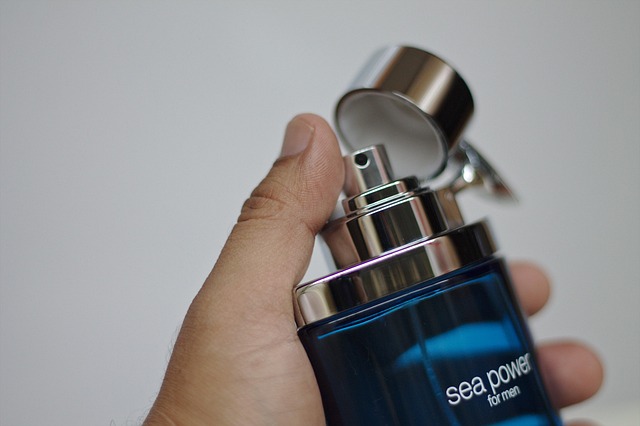
Something of a mystery, discovering your own personal fragrance sensitivities can be challenging. Many people enjoy smells, but for others, a passing sniff can lead to discomfort or even migraine episodes. What troubles one may not trouble another. Because the olfactory nerve is so connected with memory and feeling, identifying your personal triggers is essential for selecting aromas that deliver bliss, not agony.
Scent journaling
Observing your own triggers is essential. Keeping the scent journal allows people to notice patterns and identify which scents induce headaches. A plain notebook or digital note will do. Record what perfume you wore, how intense, where you were and when you experienced symptoms.
Include details such as the weather, your stress level, and other scents around you. Pay attention to when the headache began, how long the headache persisted, and the severity. Over time, these notes demonstrate patterns and help identify repeat offenders.
It comes in handy when discussing concerns with a doctor or family, as it helps other people see where you’re coming from.
Write down date and time of scent exposure.
List the perfume or scent name.
Describe the environment (indoors, outdoors, crowded, quiet).
Note any symptoms (headache, nausea, dizziness).
Rate the severity and length of symptoms.
Add other possible triggers present (foods, stress, noise).
Review notes weekly to find patterns.
Patch testing
Patch testing is great because it’s an easy way to test if a certain scent or ingredient will cause a reaction. Apply a light dab of the scent to your wrist or inner elbow and hold up. Be alert for redness, itching, or other indications of sensitivity.
If a reaction does occur, wash off the area and stay away from that scent going forward. For more serious cases, physicians or allergists provide professional testing. These tests can reveal whether you’re allergic to certain fragrance ingredients.
Let the outcome influence your decisions and steer clear of odors that provoke complications. This little move could save you a lot of headaches down the line.
Note families
Not all perfumes are created equal. Scents are organized by note families, and some are worse headache offenders than others. Knowing what these are can help you make safer decisions.
- Citrus is bright and fresh, but it can be sharp for some.
- Floral: Common in many perfumes, certain flowers like lilies or jasmine can trigger migraines.
- Woody: Sandalwood or cedar are often milder and less likely to cause issues.
- Oriental: Rich and spicy, these can be heavy and sometimes overwhelming.
- Green: Smell like grass or leaves, often lighter and less irritating.
If you know what families tend to bother you, you can avoid them. Some, for example, can wear woodies or greens, but florals or orientals are a no-go.
Not all scents are equal
Perfume headaches are not just about one bad smell; they can be triggered by certain fragrances or fragrance compounds. The experience of fragrance sensitivity varies widely, as what’s comforting to one nose may cause painful headaches or even migraine episodes in another, influenced by the potency and blend of the scented products.
Natural vs synthetic
All natural fragrances are derived from plants, herbs and resins and all synthetic ones are lab created. Not all scents are created equal. Essential oils, perceived to be ‘clean,’ are potent irritants for sensitive noses.
Synthetic perfumes frequently employ substances such as linalool or geraniol, which have been reported to induce headaches and sinus irritation among certain individuals. About 9.5% of us have fragrance sensitivities and about a third of us may respond immediately to some synthetic fragrances.
Botanical perfumes, based primarily on plant extracts, are making headway as an option, but they’re not always risk free. Not all scents are created equal. Natural and synthetic compounds alike can set off allergies, so ingredient transparency is vital for sensitive folks.
Source | Pros | Cons | Common Triggers |
|---|---|---|---|
Natural | Plant-based, can be gentle | Can still cause allergies | Essential oils |
Synthetic | Consistent, stable, long-lasting | May include irritant chemicals | Linalool, geraniol |
Botanical | Fewer additives, growing market | Not always hypoallergenic | Plant extracts |
Fragrance concentration
Not all perfumes are created equal, from heavy eaux de parfum to lighter eaux de toilette. Concentration can’t be beat. For those who get headaches from perfume, infusions or body oils with lower concentrations tend to be more manageable.
Some perfumes are just too much for the sensory system; they can cause real symptoms like sinus pain and even hallucinated aromas. Mild scents can be intolerable to a migraine sufferer during an attack. Not all colognes or smells are created equal.
Opting for a lighter scent or wearing less can really help with comfort and well-being. Personal comfort naturally involves some trial and error, as every nose is unique.
Type | Concentration (%) | Longevity (hours) | Sensitivity Risk |
|---|---|---|---|
Parfum | 20-30 | 6-8 | High |
Eau de parfum | 15-20 | 4-5 | Moderate-High |
Eau de toilette | 5-15 | 2-4 | Moderate |
Eau de cologne | 2-5 | 1-2 | Low-Moderate |
Body mist/splash | 1-3 | <1 | Low |
Single note vs complex
Single note perfumes hone in on just one main aroma, like rose, sandalwood or citrus. These tend to be easier and less headache-y because there are fewer volatile compounds involved.
Complicated combinations with multiple scents intermingled can agitate or annoy. Each additional ingredient can be a red flag for a sensitive sniffer. Not all scents were created equal.
Minimalists take to people; they want a soft experience, a quiet experience, especially those who tend to be sensitive to strong or complex scents. For a few, the clean, single-note approach seems more secure and less risky.
How to wear fragrance without pain

Perfume headaches can put a damper on the joy of wearing a fragrance, especially for those with fragrance sensitivities. There are methods to wearing scent pain-free, such as avoiding certain ingredients in fragranced products. Tiny tweaks in where and how you wear your fragrance and awareness of your surroundings can be everything.
Application method
Try dabbing on your fragrance instead of spraying. A few spritzes on your wrists or neck can keep the scent closer to your skin and farther from your face, which might reduce the likelihood of headaches. Spray once and wait a few hours before spraying again. This measured pace allows you to detect any response.
Test a new scent on your inner elbow before daily use. This will help you catch sensitivity before it appears. Don’t spritz perfume directly onto clothes. Scent can stick to clothing, making it less controllable, and it can cause skin irritation. A spritz on bare skin creates a delicate aroma cloud that is less apt to stick around or assault.
The “walk-through” method—spraying one time into the air and walking through the mist—distributes fragrance in a soft, uniform manner. It’s a wise option for migraine sufferers. Layering fragrance on top of a fragrance-free moisturizer can help limit direct contact with the skin.
Your environment
Home and work each have their own set of scent culprits, whether it’s cleaning products or air fresheners, which can combine with perfume to intensify pain. I’ve found that using an air purifier or even just opening a window can really clear the air so that fragrance is much less likely to accumulate.
Establishing a scent-free haven at home provides a sanctuary to rebound if you become overloaded. At work, educating yourself about workplace scents and being an advocate of scent-free policies can make the space more comfortable for all.
Something as easy as keeping hydrated with enough water during the day can alleviate symptoms if you’re sensitive. This no big deal habit helps your body cope with minor irritants.
Scent layering
By layering lighter fragrances, such as those with citrus, green, or fresh notes, you can still indulge in scent without it hitting you in the face. Mandarin, bergamot, and neroli are a nice gentle choice that very rarely cause headaches. Mix two or three subtle scents to build a unique aroma that remains airy.
Avoid mixing strong perfumes. Too many strident notes can fight each other, weighing down the smell and increasing the risk for pain. Take the time to experiment with oils or solid perfumes, which allow you more control over how much you wear.
Finding your gentle fragrance
Some folks get headaches or even migraines from perfume, and choosing the right fragrance requires time and a bit of experimentation. Scents can be blood vessel messengers, just like migraine triggers, so it is wise to begin slowly. Being aware of your own triggers and the connection between scent, memory, and mood can really allow you to enjoy fragrance without irritation.
Some discover gentler alternatives by considering safer scents, hypoallergenic options, and even fragrance-free living.
Safer scent notes
Certain scents, such as lavender and chamomile, are frequently soothing. These gentle flowery scents help to soothe without dousing your senses. Asthma and allergy sufferers may find these less irritating.
Fresh and clean fragrances, such as cucumber, green tea, or light citrus, don’t tend to linger as much. They smell fresh and clean, making them good for anyone with a headache.
Natural ingredients are less likely to irritate. Consider rosewater, sandalwood, or a hint of vanilla. These don’t have the harsh chemicals that can make some fragrances hard to stomach.
Whisper-light scents like rice powder, cotton, or sheer musk offer a hug of a scent without the symptom-stirring power.
Hypoallergenic options
Hypoallergenic perfumes are designed for sensitive skin and noses. Brands are beginning to have more fragrance-free or low-allergen lines, and some even list all their ingredients so you can look for triggers. If you’re not sure, go patch test.
Test a drop on your wrist and wait a couple of hours to see if you react. For some people, less perfume or dabbing it on clothes instead of skin helps too. Being your own advocate means a lot! If you don’t see choices in your fave brand, request them!
The more we request hypoallergenic products, the more brands will produce.
Fragrance-free living
For a few, ditching fragrance altogether is best. Unscented soaps, lotions and detergents mean you’re less likely to get a headache or irritate allergies. This can be liberating and typically results in healthier skin as well.
You can stay fresh with natural odor absorbers. Baking soda, charcoal, or even just an open window can freshen stuff up without dumping more scent on it.
Create a clean, fragrance-free care ritual that makes you feel comfy and confident — even when you’re sensitive to most scents.
The industry’s role in scent sensitivity

The beauty of the scent business is complex and nuanced. Lurking beneath every bottle is a blend of decisions that can mold experiences, sometimes positively and sometimes negatively. The industry has a significant role to play in how fragrance sensitivities are addressed, from what goes into a product to how much consumers know about what they’re putting on their skin or breathing in.
Most people aren’t aware that when “fragrance” appears on a label, it could represent hundreds of different chemicals blended together as a proprietary mixture. Not a single one of these chemicals needs to be labeled. This guards the manufacturer’s recipe, but it complicates life for users who desire or have to avoid certain irritants. Just one splash of perfume can release more than 100 fragrance compounds into the air.
For someone who’s scent sensitive, that’s a lot of unknowns in one spray, and it’s not limited to perfume. Cleaners, soaps, and even air fresheners are doing the same. The issue becomes even more expansive in the workplace. Millions of people, from office workers to healthcare staff, inhale these chemicals on a daily basis. Hospitals, for example, exist in an otherworldly expertise on scent sensitivity.
They use over 40 different cleaning products in one day alone, and most have added scent to mask the smell of chemicals. What smells fine for some can translate to migraine episodes, trouble breathing, or even worse for others. Ingredient labeling is a huge piece of it. We all want to make good choices for our health, but it’s tough when the label on the bottle isn’t giving you the full story.
Transparent, truthful labels assist consumers in identifying what they might be sensitive to. Both synthetic and natural scents play a role in the industry’s scent sensitivity. Even 100% natural perfumes can conceal potent allergens or irritants. The industry actually has a very important role to play here, a really good opportunity to step up to be transparent about what’s inside and to make it easier for people to know what they’re buying.
There are more options required too. Hypoallergenic and “clean” perfumes are a start, but these should be more than a trend. Brands can hear the people who use their products and develop scents that are sensitive to noses. They can consider using fewer preservatives and solvents, which contribute to the chemical burden. When brands do this, they respect everyone, particularly those who feel excluded by the status quo.
As important as creating better products is raising awareness. When the industry backs campaigns and shares real stories about scent sensitivity, it helps all of us realize that this isn’t just a minor concern. It’s real and it can influence people’s experiences at work, at home, and in public.
It’s a reminder that what smells nice to one person can be excruciating to someone else and that’s something to notice.
Conclusion
Pungent aromas can jolt the senses. Some people sniff a fragrance and they’re good to go. Others get a sharp headache quick. A gentle fusion or an airy sprinkle can assist in avoiding discomfort. Brands are now making gentler choices and clarifying what’s in every bottle. Check for transparent ingredient lists or give a tester a shot first. These easy tips can make the difference between a hard-smelling day and a great-smelling day. Some want a whiff of rose, some want a green note. It’s all about what is right for you. Remember your story and choose what suits your world. Post your own tips or favorites for light scents. Someone else could use the assist as well.
Frequently Asked Questions
What causes a perfume headache?
Perfume headaches are generally caused by strong scents or certain chemical components in fragrances, which can trigger migraine episodes and nerve reactions in individuals with fragrance sensitivities.
How can I identify if a specific scent triggers my headaches?
If you want, you can keep a diary of what fragranced products you used and your headache symptoms. After a while, you might notice patterns that aid in finding which fragrance sensitivities or certain ingredients trigger your migraines.
Are natural perfumes less likely to cause headaches?
Not necessarily. Even though some folks can handle natural perfumes better, certain ingredients can still induce migraine episodes. Whether the fragrance is natural or synthetic, fragrance sensitivity is individual.
Can I prevent perfume headaches without stopping fragrance use?
Yes. Opt for lighter scents and avoid strong odors; wear less fragrance and create fragrance-free rooms at home. Make a habit of airing rooms and steering clear of applying certain fragrances directly to skin close to the face.
What are common perfume ingredients that cause headaches?
Typical offenders include synthetic fragrance compounds like synthetic musks, intense florals, aldehydes, and certain essential oils that may trigger migraine episodes.
How do I find a gentle fragrance?
Seek out hypoallergenic or fragrance-free items, as certain ingredients in fragranced products can trigger migraine episodes. Try a little first and request sample vials for sensitive skin or noses.
Does the perfume industry address scent sensitivity?
Luckily, tons of brands now offer hypoallergenic and fragrance-free options to help manage fragrance sensitivities. Others provide full ingredient lists to assist customers in avoiding migraine episodes triggered by certain ingredients.